Kyoto for First-Time Visitors
Overview
Kyoto is a city where ancient temples rise beside quiet rivers, where geisha still glide through lantern-lit streets, and where the scent of incense and matcha fills the air. For many travelers, Kyoto is the Japan they’ve always imagined—timeless, spiritual, serene, and full of hidden corners waiting to be explored. Whether you're visiting for a weekend or planning a full Kansai adventure, Kyoto rewards slow travel and mindful discovery.
For first-time visitors, this guide offers a complete breakdown of the city—covering when to go, where to stay, what to see, how to get around, what to eat, and how to navigate Kyoto with both confidence and cultural respect. Let this be your essential companion to making the most of your trip.
Quick Facts About Kyoto
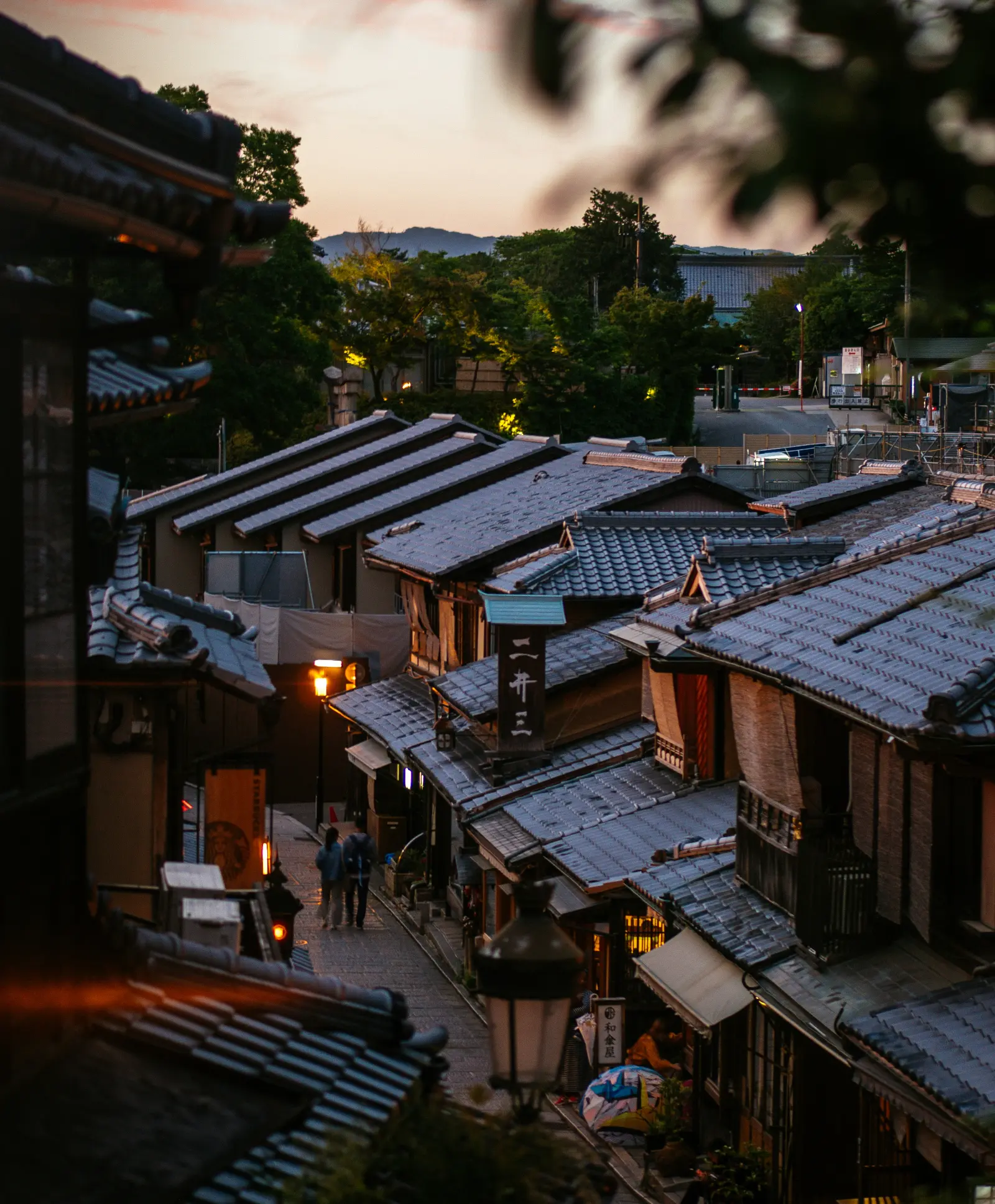
Kyoto was Japan’s imperial capital for over 1,000 years, and that legacy is visible everywhere—from the ancient shrines in the mountains to the narrow streets of Higashiyama. With a population of around 1.4 million, the city strikes a balance between tradition and modernity. You’ll find high-end shopping, sleek hotels, and efficient public transit, yet the heart of Kyoto still lies in its temples, teahouses, and historic districts.
The city is located in the Kansai region, easily accessible from Osaka, Kobe, Nara, and even Tokyo via the Shinkansen. It’s a compact destination, making it easy for first-time visitors to explore multiple districts without rushing. The best time to visit is during spring or autumn, but Kyoto offers beautiful scenery year-round.
Kyoto Station is the main entry point for most travelers, serving as a hub for trains, buses, and airport connections. Whether you're staying near the station or in the older parts of town, everything is easy to reach with a bit of planning.
Why Visit Kyoto?
Kyoto’s appeal comes from its ability to transport visitors into a world shaped by centuries of culture. This is the city of Zen gardens, bamboo groves, shrines on mountainsides, and traditional wooden machiya houses. Every neighborhood has its own history, whether it’s Gion’s geisha culture or Arashiyama’s scenic riverbanks.
First-time visitors are often struck by how peaceful Kyoto feels, even during busy seasons. It's a city that encourages you to slow down—sit beneath a cherry tree, wander through moss-covered temples, or enjoy a quiet bowl of matcha overlooking a garden. Many of Kyoto’s most memorable experiences are unplanned: finding a tiny shrine tucked between houses, hearing temple bells echo at dusk, or stumbling upon a local street vendor selling warm mochi.
Kyoto is also a culinary destination. From refined kaiseki dining to simple, comforting tofu dishes, Kyoto cuisine is rooted in seasonality and presentation. Food is treated as an art form here, and flavors tend to be delicate, subtle, and deeply connected to tradition.
Best Time to Visit Kyoto

Kyoto is beautiful in all four seasons, but each one offers a different experience. Spring brings cherry blossoms, turning parks, temples, and riversides into pink tunnels of petals. Travelers flock to famous spots like the Philosopher’s Path or Maruyama Park to enjoy hanami picnics. Temperatures are mild, making it an ideal time for sightseeing.
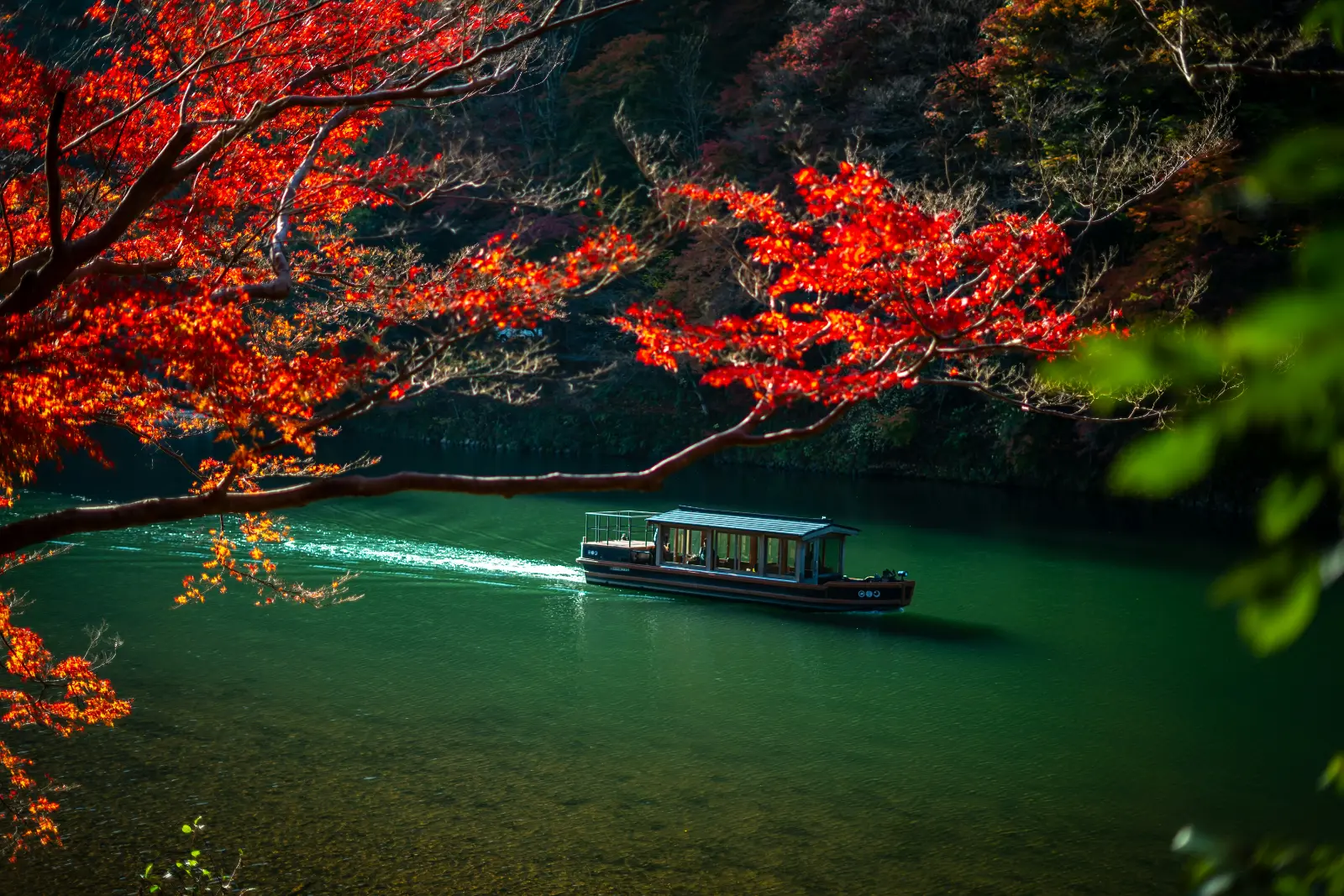
Autumn is equally magical. Kyoto’s foliage is among the best in Japan, with fiery reds and golds lighting up temple gardens like Tofuku-ji and Eikando. This season offers perfect weather and incredible scenery, but accommodations book quickly—plan months in advance.
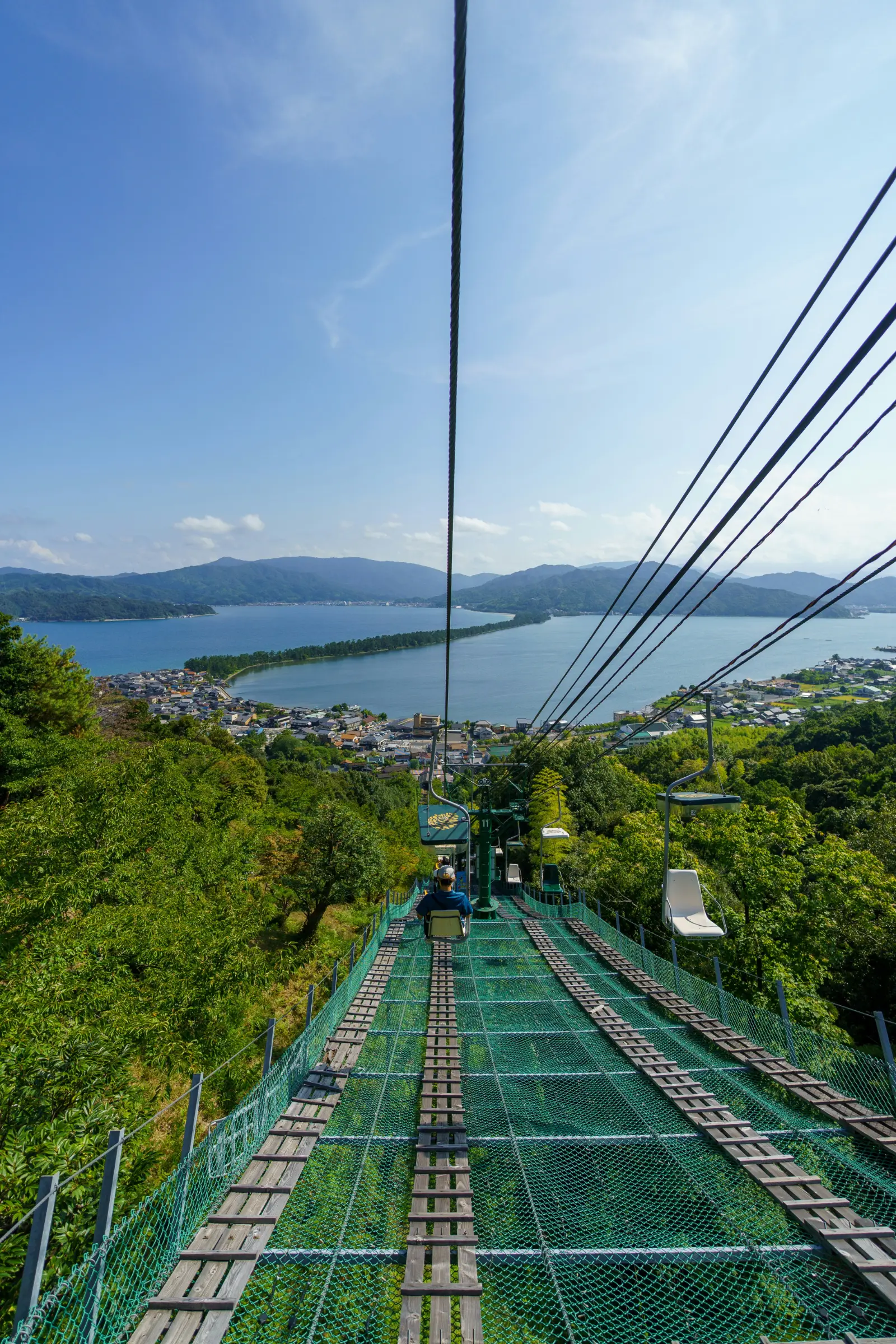
Summer brings festivals, lively streets, and lush greenery. Though the heat and humidity can be intense, events like the Gion Matsuri make it worth visiting. It’s a wonderful season for those who enjoy cultural celebrations.
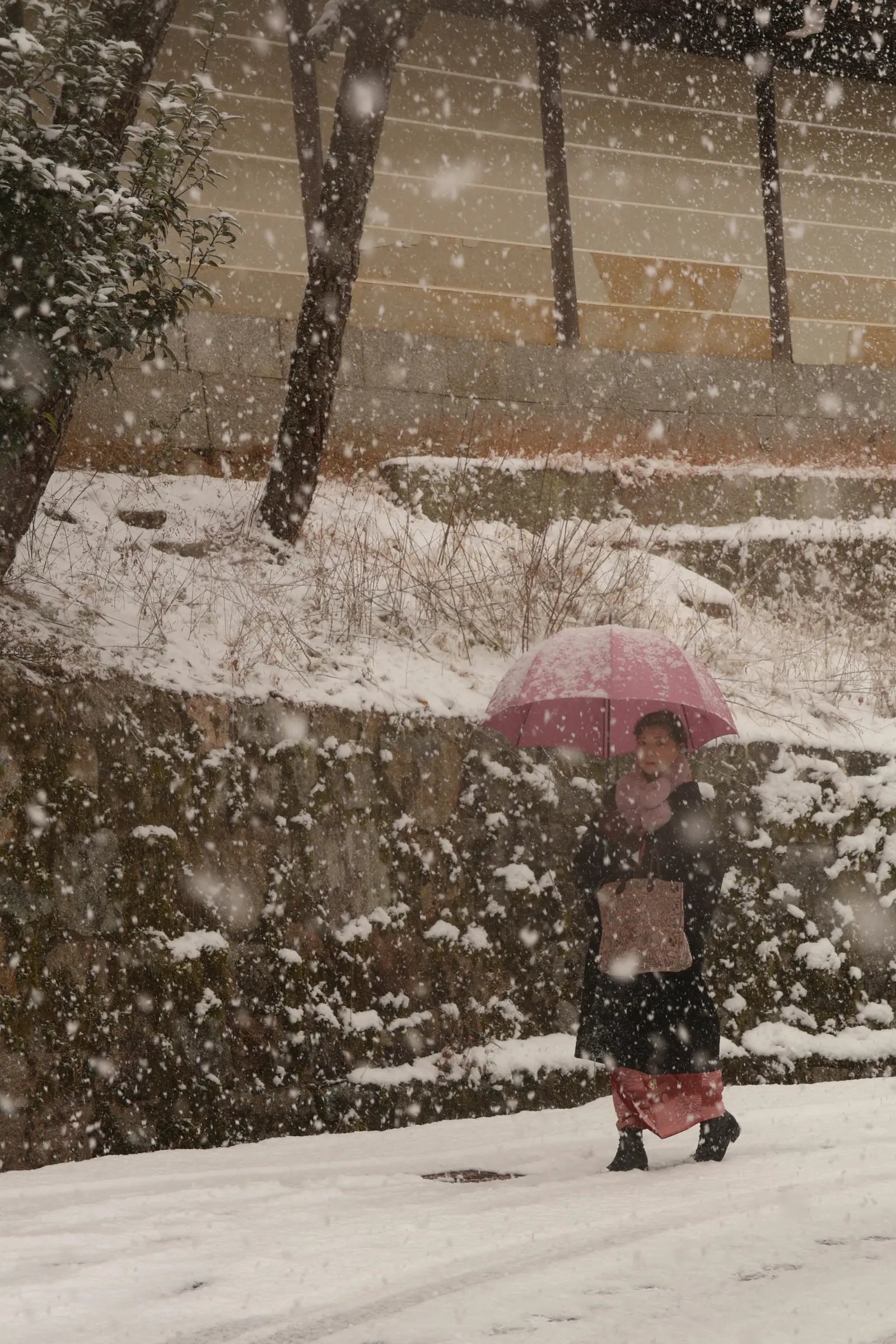
Winter is the quietest season. With fewer tourists and a calm atmosphere, you can enjoy major attractions without crowds. Occasionally, temples receive a light dusting of snow, transforming them into serene, postcard-like scenes. Hotel prices are also lower, making it a great time for budget travelers.
Avoid peak holidays like Golden Week, New Year, and popular weekends during spring and fall. These periods are extremely busy and expensive.
Getting to Kyoto
Traveling to Kyoto is straightforward thanks to excellent transportation options. From Tokyo, the Shinkansen remains the fastest and most comfortable route. The ride takes just over two hours, offering scenic views and hassle-free transfers. While buses are cheaper, they take significantly longer and are better suited for travelers on tight budgets.
Travelers arriving at Kansai International Airport (KIX) have several easy options. The Limited Express Haruka train provides a smooth, direct journey to Kyoto Station in around 75 minutes. Airport limousine buses are cheaper, though slightly slower, and they serve a wider range of hotels. If you're already in Osaka, the JR and Hankyu lines offer quick connections.
Once you reach Kyoto Station, accessing central districts is simple—you can jump on a subway, bus, or taxi depending on your itinerary. Because Kyoto is relatively compact, travel times between districts tend to be short.
Getting Around Kyoto
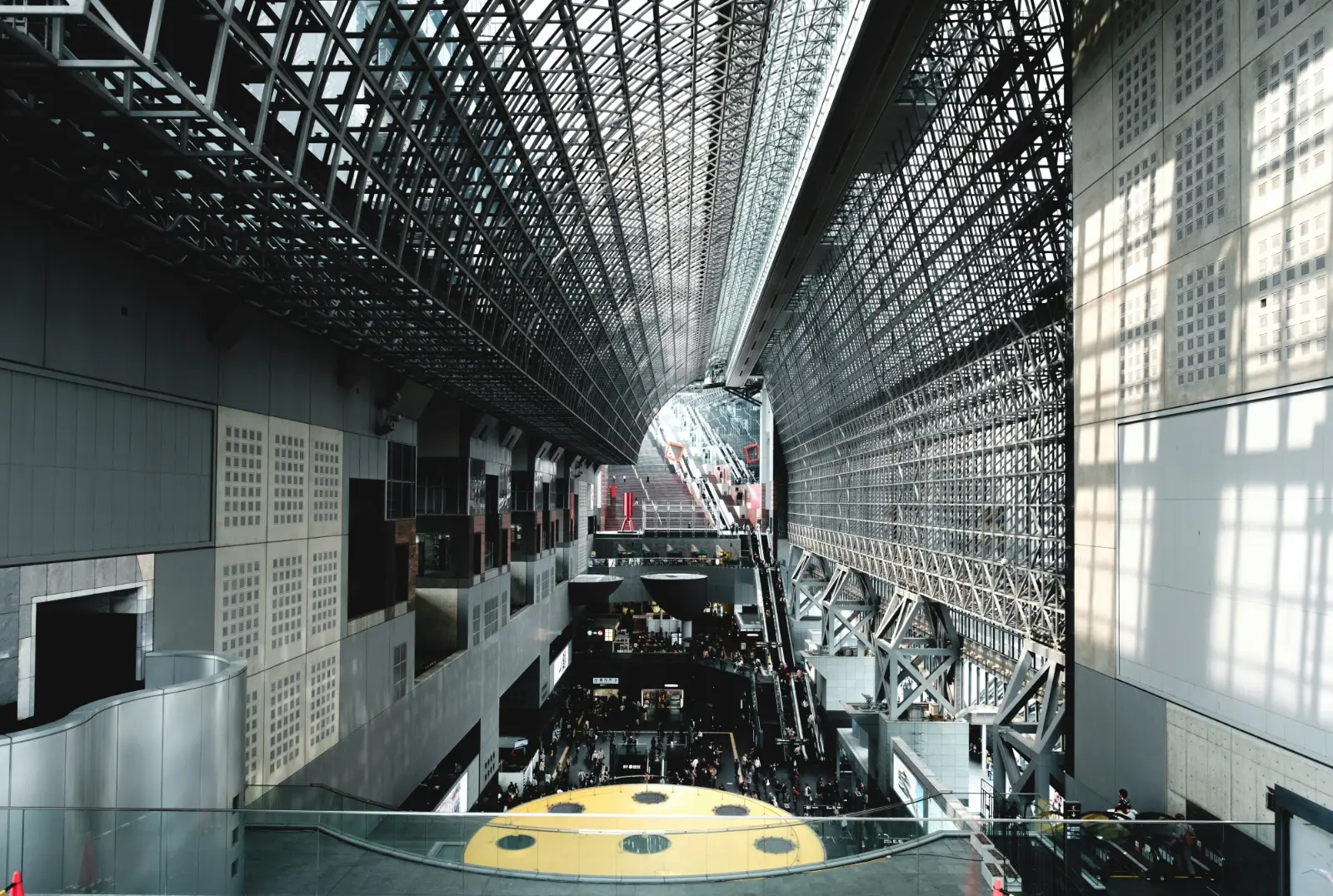
Kyoto’s public transportation system is reliable, clean, and comprehensive, but it can be crowded during peak seasons. Buses are the primary way to reach many temples and shrines, especially in areas like Kinkaku-ji or Ginkaku-ji. They’re inexpensive and well-connected, but expect delays during busy hours.
Trains and subways are faster and less crowded than buses. The Karasuma Line runs north to south, making it perfect for accessing Kyoto Station, Downtown, and northern temples. The Tozai Line moves east-west across the city, connecting residential districts and local attractions. Trains are ideal for Arashiyama—you can reach the district quickly via the JR Sagano Line.
Kyoto is also a walkable city, particularly around Gion, Higashiyama, and Nishiki Market. Many attractions sit within compact, scenic pockets, making walking one of the most enjoyable ways to experience the city. Taxis are abundant, reliable, and relatively affordable for short distances, especially when traveling with luggage or late at night.
To make your travels even smoother, pick up an IC card (Suica, PASMO, or ICOCA). These prepaid cards work on nearly all buses, trains, and convenience stores. Travelers planning heavy sightseeing can also consider Kyoto’s day passes, which offer unlimited transit on select routes.
Where to Stay: Best Neighborhoods for First-Time Visitors
Choosing the right neighborhood can shape your entire trip. Kyoto offers several distinct areas, each with its own charm and advantages.
Gion and Higashiyama are the most atmospheric districts in Kyoto. Here, you’ll find stone-paved lanes, traditional wooden houses, teahouses, shrines, and the soft glow of lanterns at night. It’s perfect for travelers who want to immerse themselves in Kyoto’s historic beauty. Staying in a machiya guesthouse or ryokan adds to the experience.
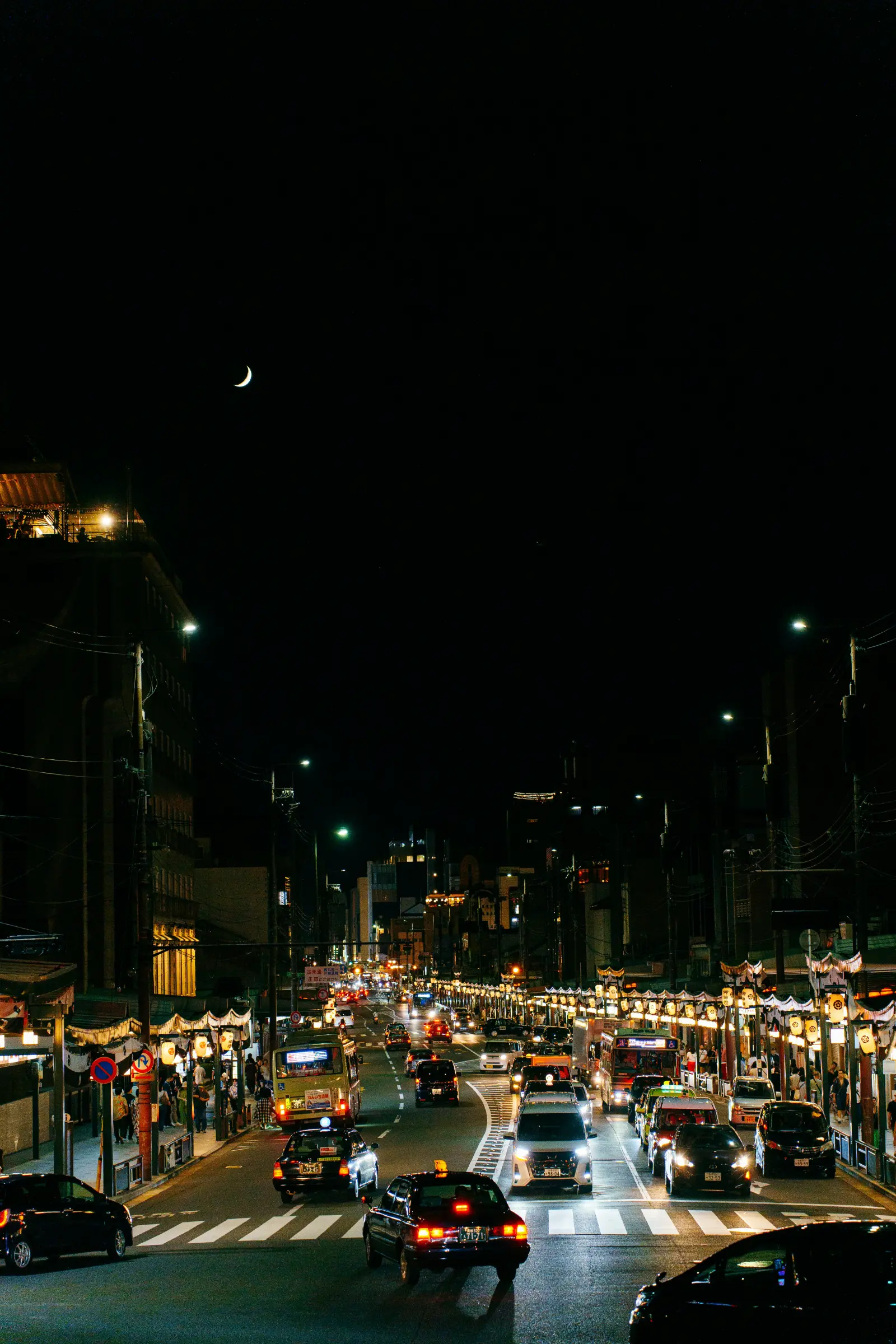
Downtown Kawaramachi is lively and central, with endless restaurants, shops, nightlife, and easy access to transit. It’s ideal for foodies and those who enjoy exploring urban streets. You’ll be just steps from Nishiki Market and Pontocho Alley.
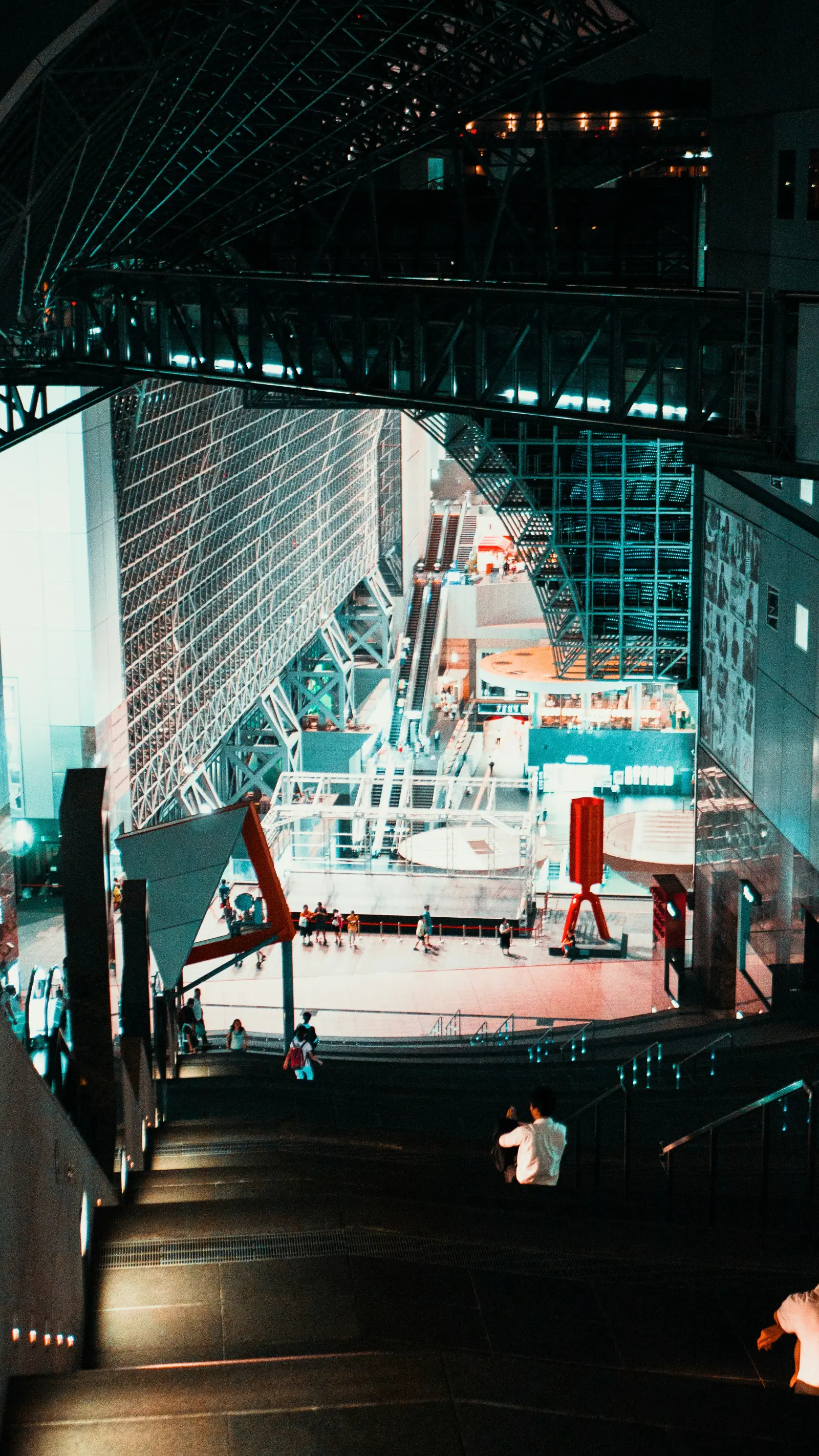
Kyoto Station Area is practical and convenient. Hotels here tend to be modern and spacious, with quick access to the Shinkansen, JR lines, buses, and airport trains. If you’re planning day trips to Nara, Osaka, or Kobe, this is the best base.
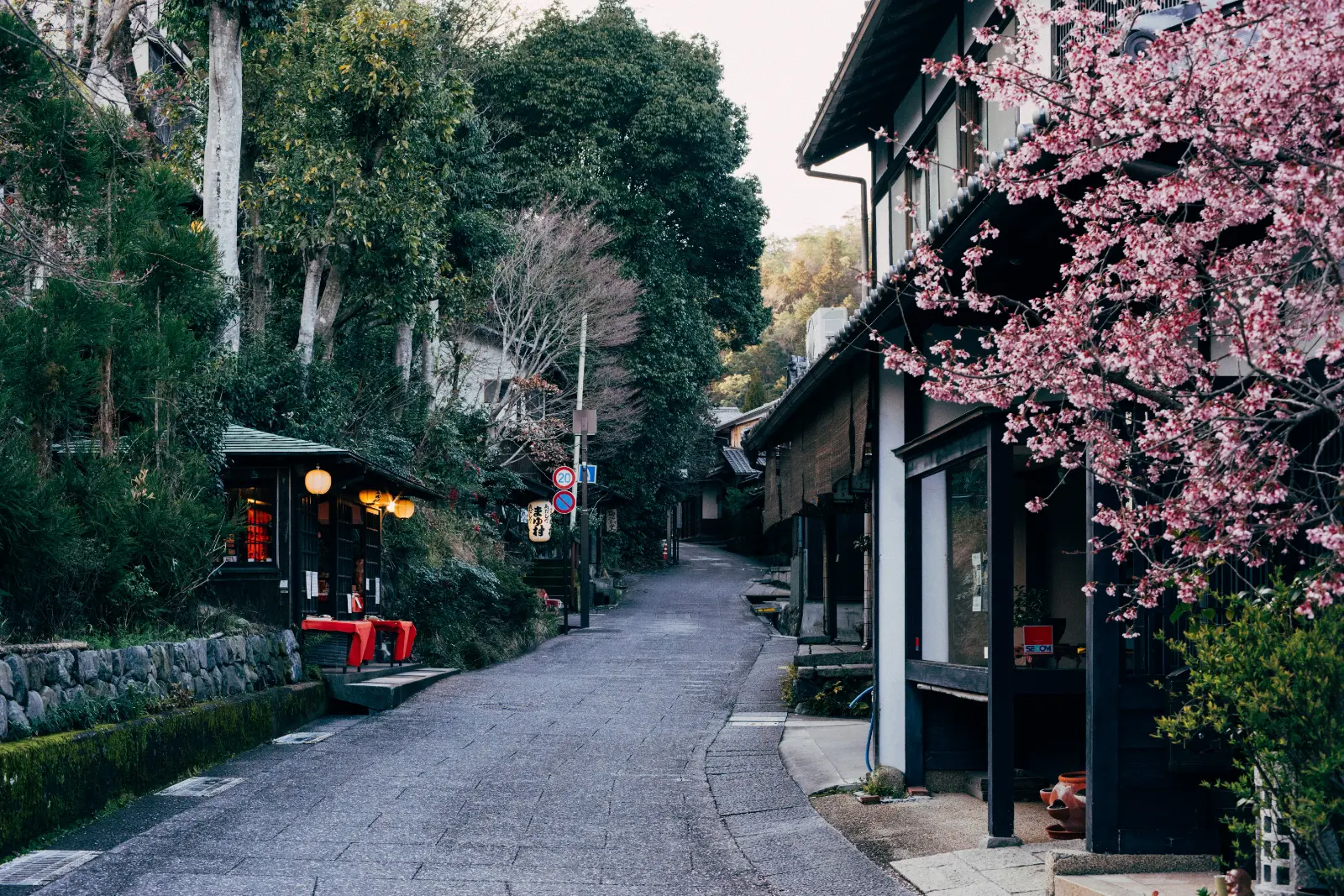
Arashiyama, located on the city’s western edge, is more peaceful and scenic. Staying here puts you close to bamboo forests, riverside viewpoints, and tranquil temples. It’s a wonderful choice for travelers seeking nature, relaxation, and a quieter pace.
Top Things to Do in Kyoto (First-Time Essentials)
Kyoto is filled with iconic landmarks, many of which have become symbols of Japan. For first-time visitors, these are the must-see attractions that define the city.
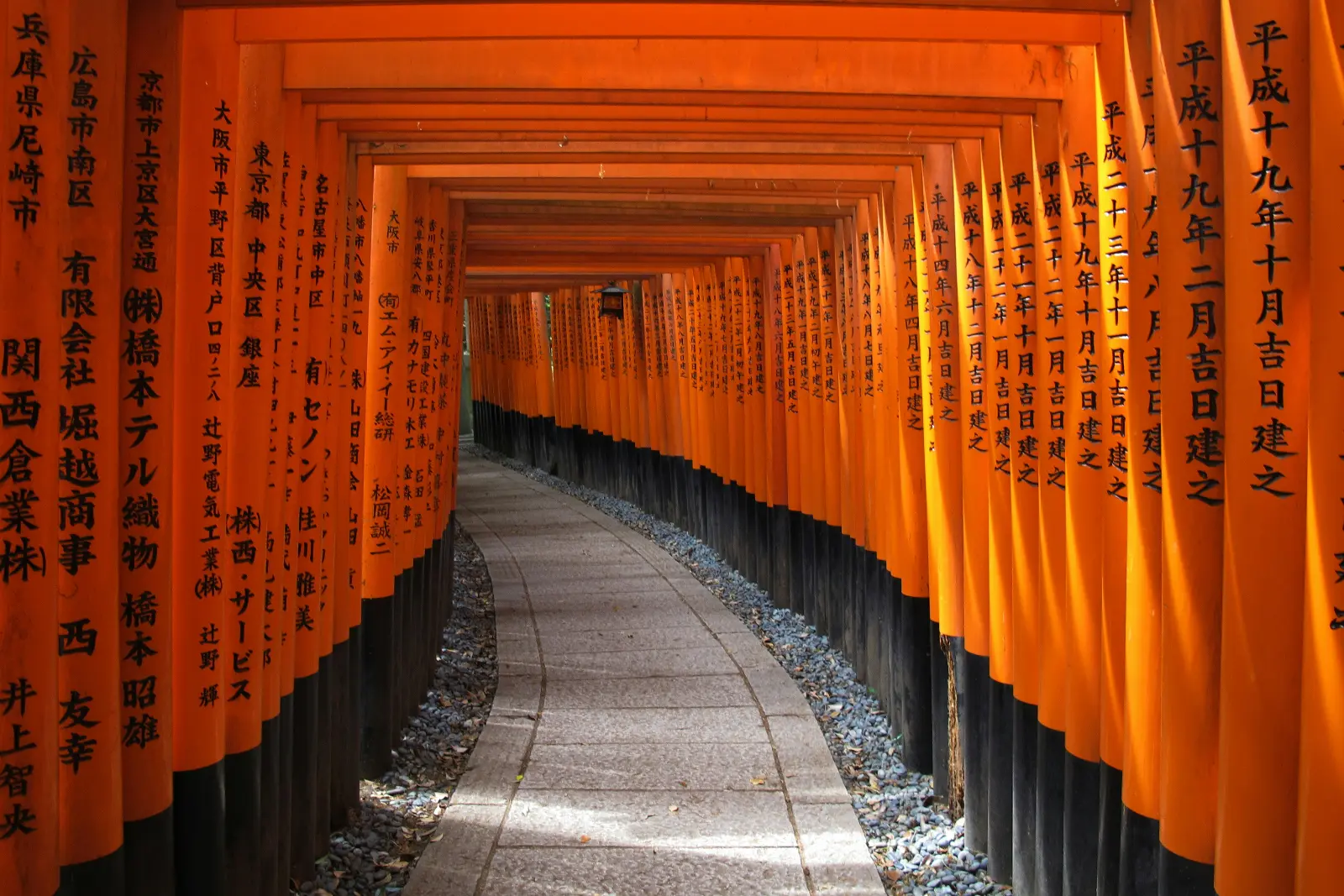
Fushimi Inari Taisha is one of Kyoto’s most photographed sites. The endless vermilion torii gates leading up the mountain create a mesmerizing pathway. Most visitors explore the lower section, but hiking higher rewards you with peaceful forest views and quieter shrines. Early mornings or evenings offer the best atmosphere.
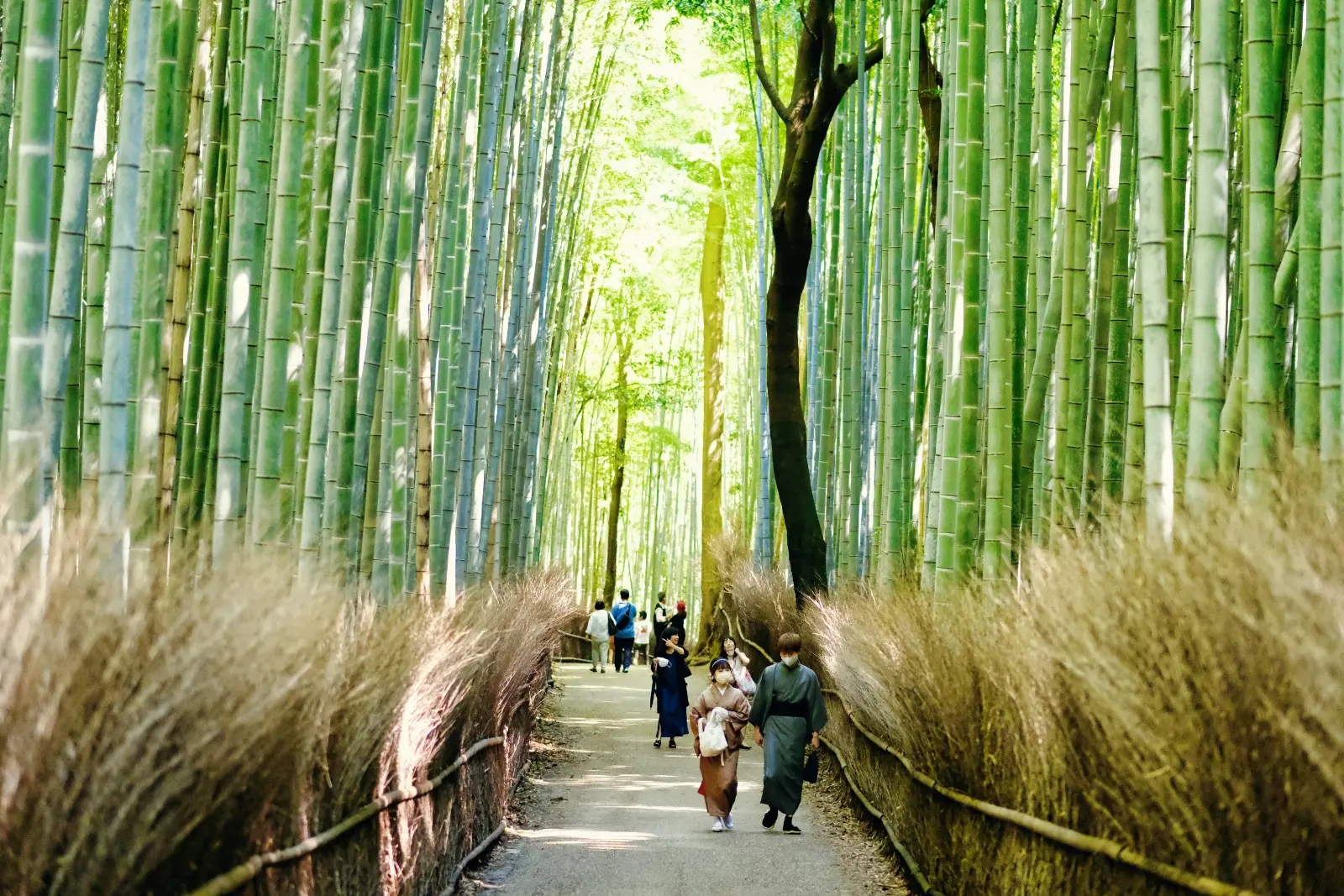
Arashiyama Bamboo Grove is another unforgettable experience. Walking through the bamboo forest feels like stepping into a dream—tall, swaying stalks create a cathedral of green light. Nearby, the Katsura River offers gentle boat rides and scenic views, while Tenryu-ji Temple adds cultural depth to the visit.
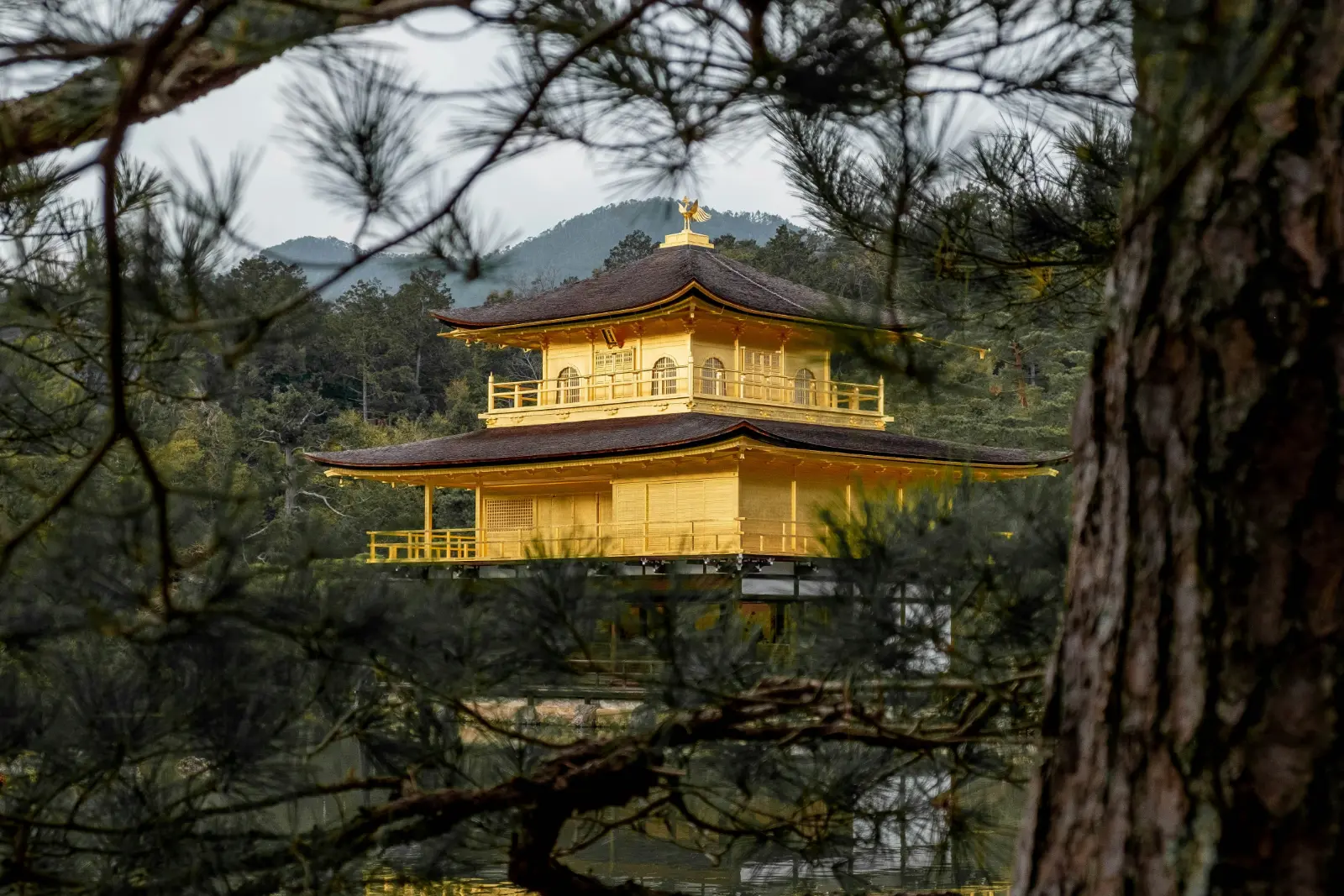
Kinkaku-ji (Golden Pavilion) dazzles with its gold-leaf exterior reflecting upon a pond. This Zen temple is stunning year-round, especially during autumn foliage or winter snow. Its landscaped gardens provide a serene escape from the city.
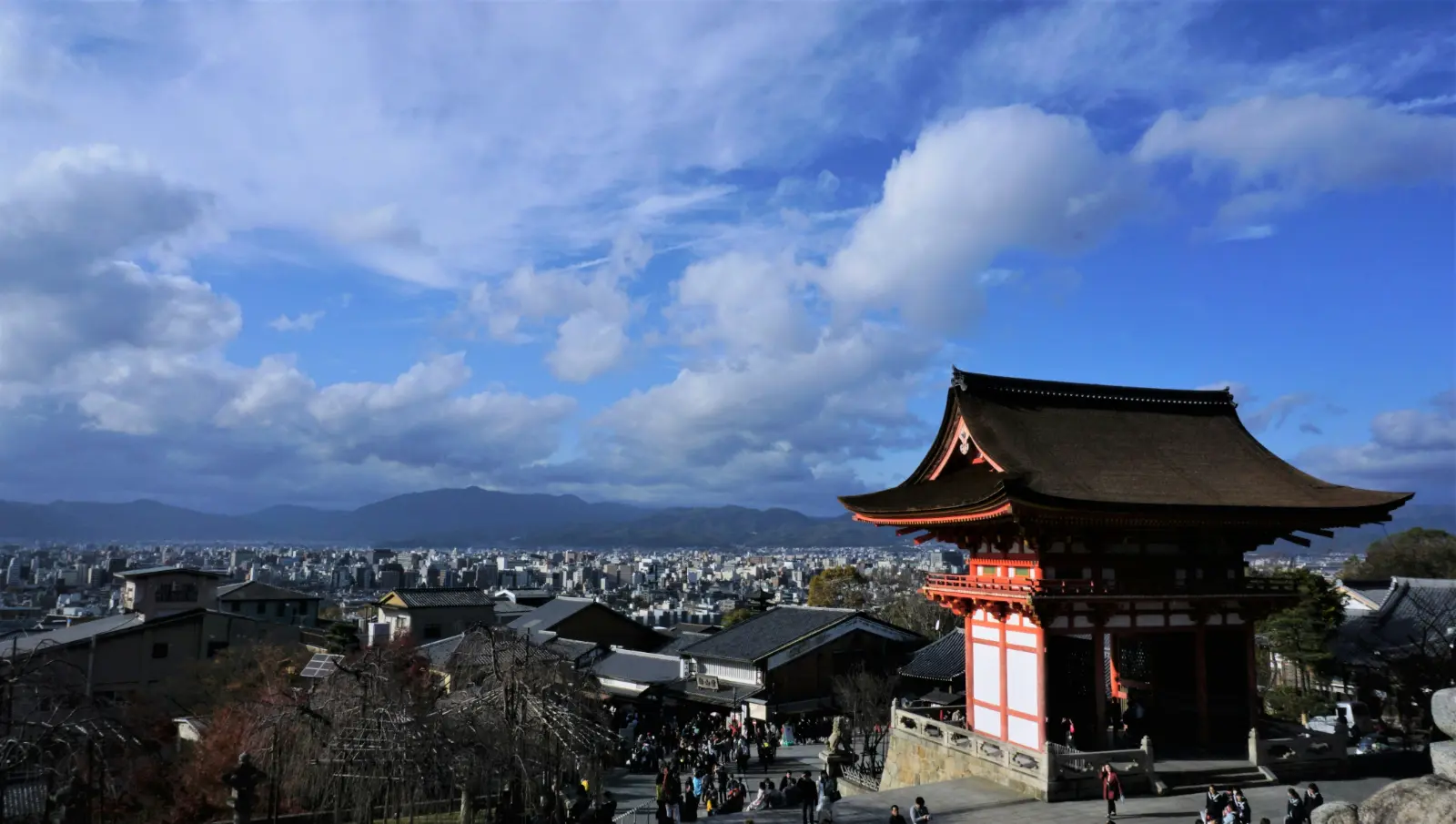
Kiyomizu-dera Temple is perched dramatically on a hillside overlooking Kyoto. The wooden stage offers panoramic views, and the surrounding Higashiyama district is filled with charming streets, sweet shops, and cafés. Visiting around sunset is particularly beautiful.
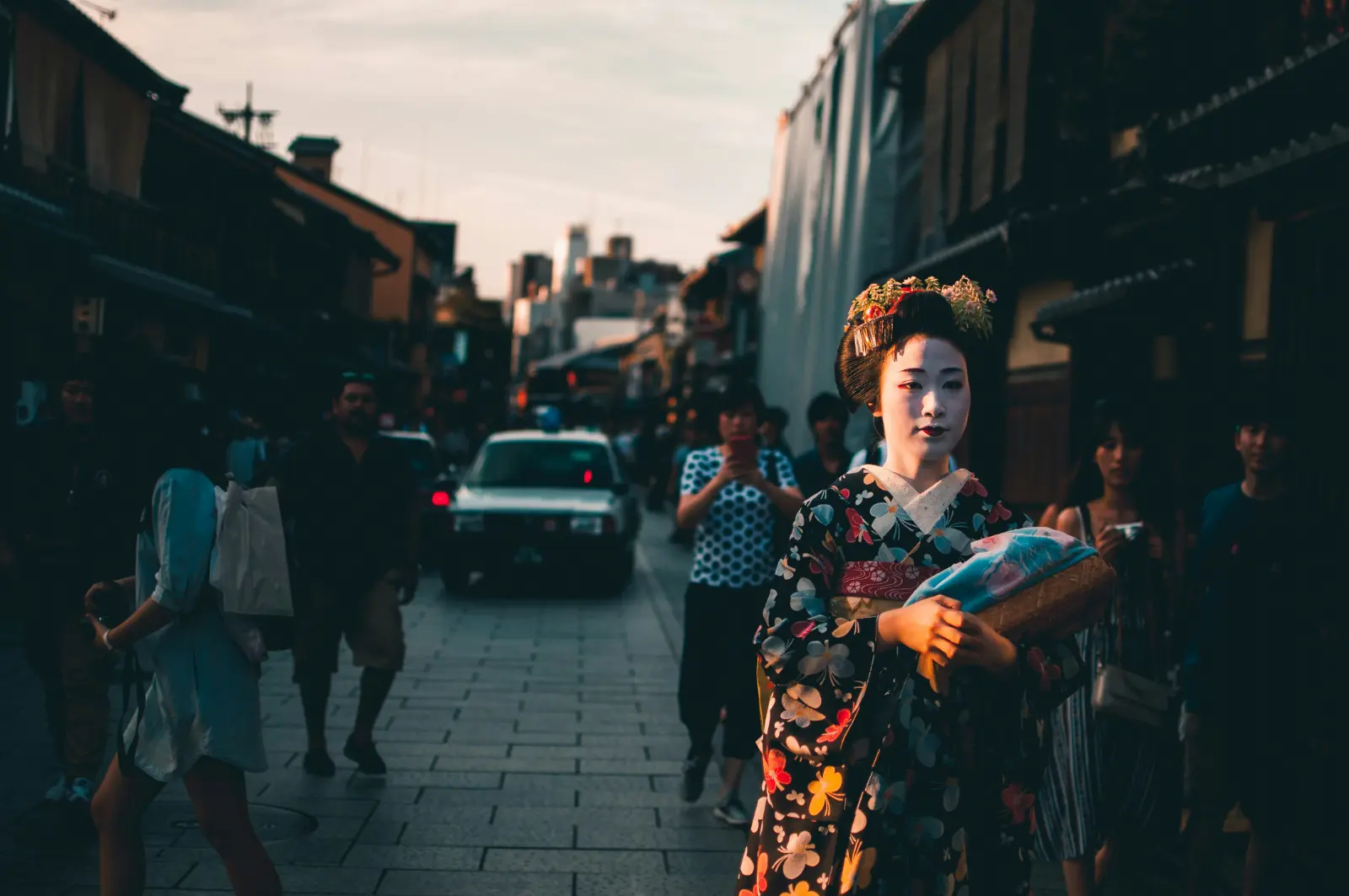
Gion District remains the center of geiko (geisha) and maiko culture. In the evenings, you might see an elegantly dressed maiko walking to an appointment. The atmosphere is almost cinematic—soft lighting, narrow alleys, and traditional architecture.
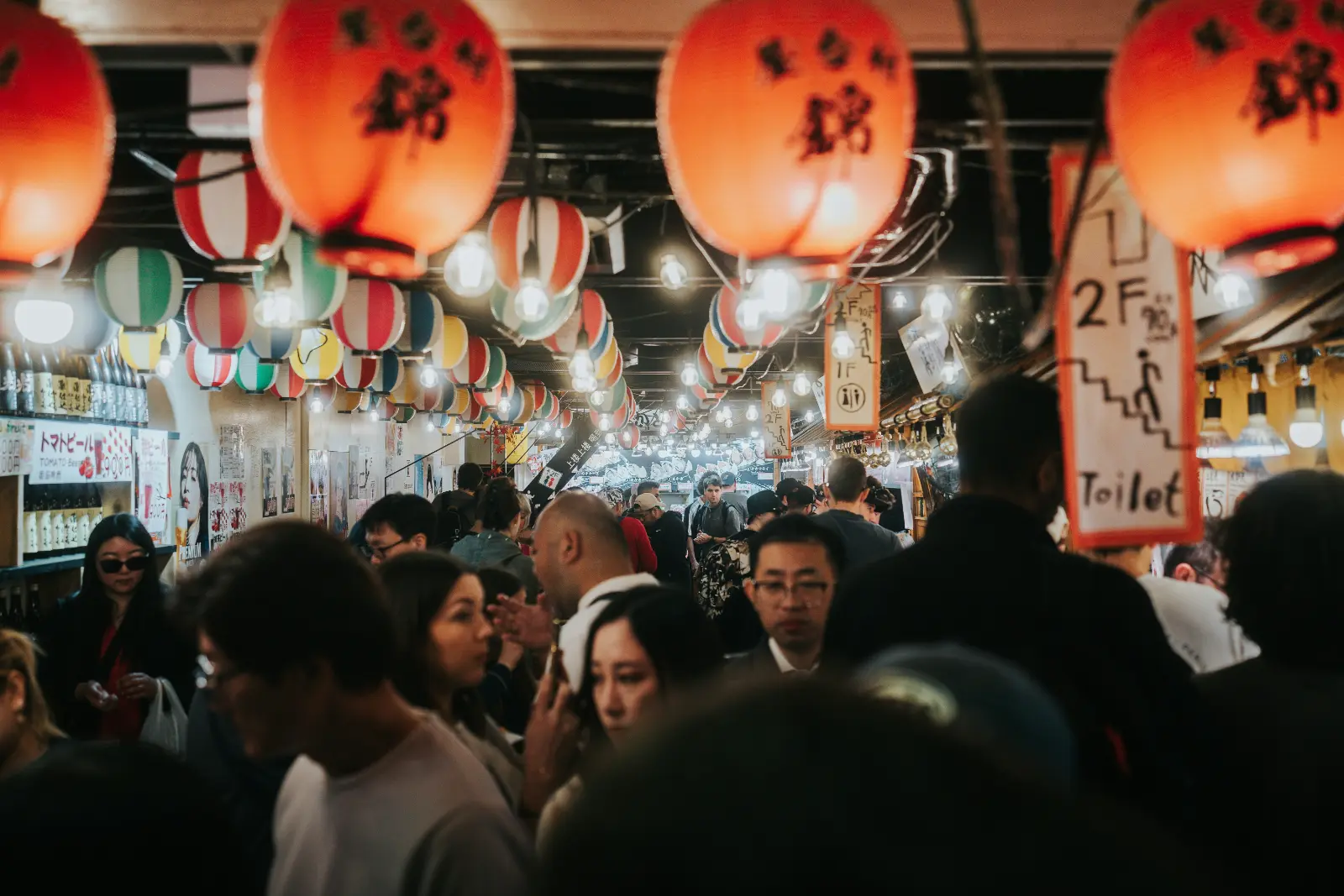
Nishiki Market is perfect for food lovers. This bustling market has been operating for centuries and offers a variety of Kyoto specialties—from tofu skewers to matcha pastries to pickled vegetables. It’s an excellent lunch stop between sightseeing.
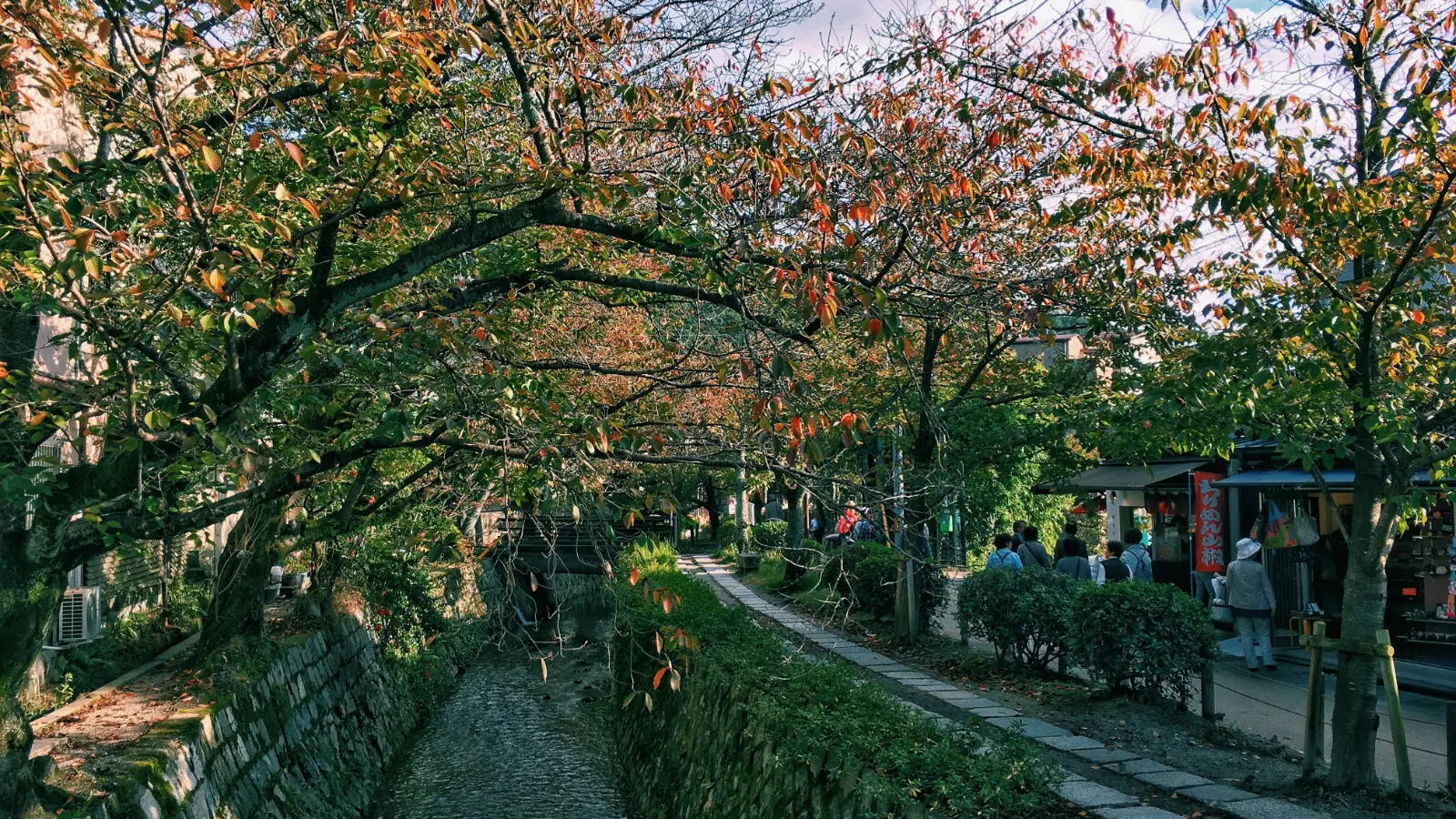
The Philosopher’s Path is a peaceful canal-side walkway lined with cherry trees. It connects several temples and is especially beautiful in spring. It’s a great escape from busier tourist areas.
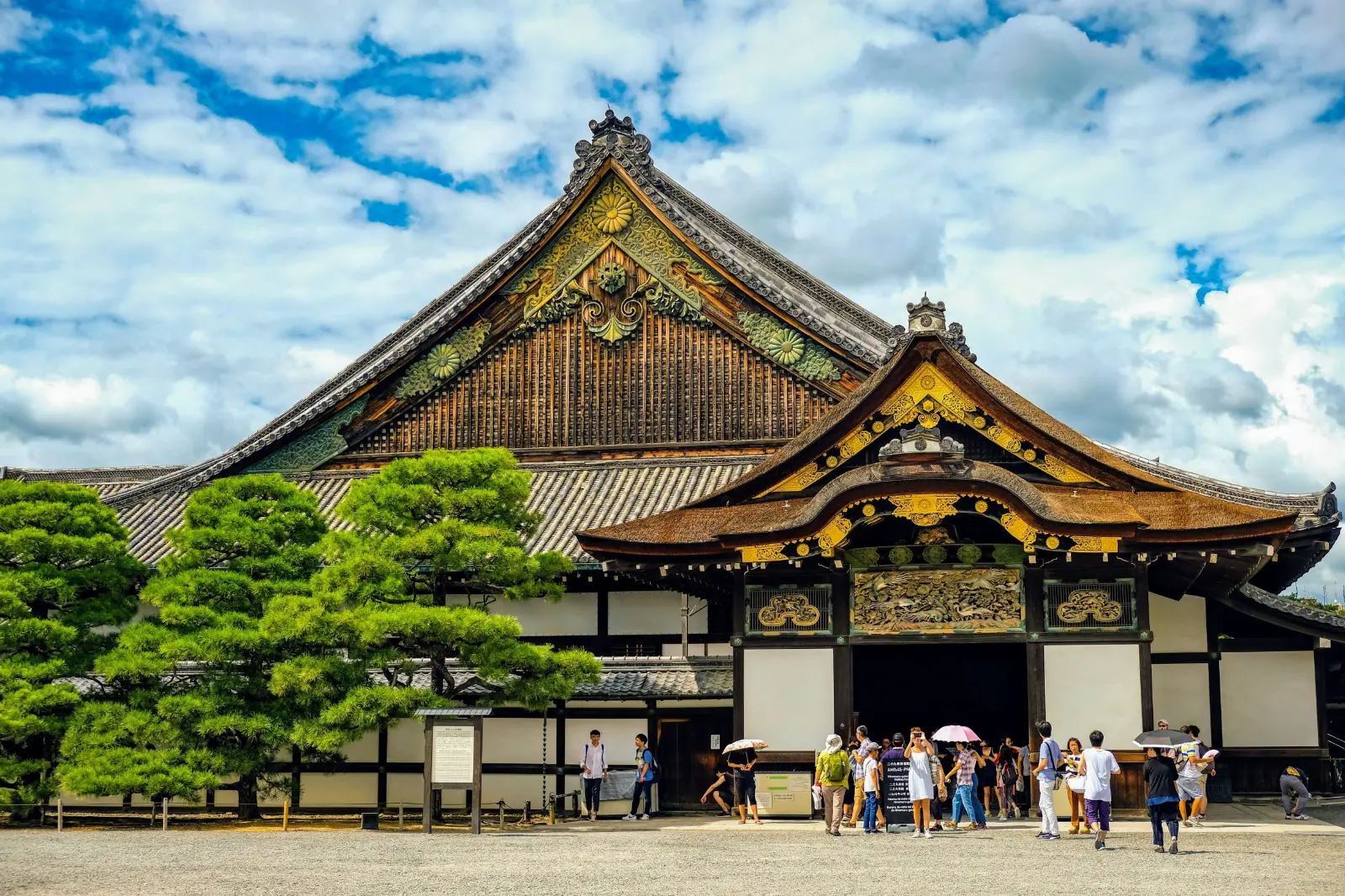
Nijo Castle provides insight into Kyoto’s samurai-era history. Its nightingale floors—designed to chirp when walked upon—are both clever and symbolic, and the gardens are meticulously kept.
Food in Kyoto: What to Eat & Where
Kyoto’s cuisine is refined, delicate, and deeply rooted in tradition. The city is known for its use of seasonal ingredients, tofu-based dishes, and visually stunning plating.
Kaiseki dining is Kyoto’s culinary crown jewel. This multi-course meal showcases seasonal flavors through beautifully arranged dishes. It’s an experience that blends art and gastronomy, typically enjoyed in Gion or a traditional ryokan.
Yudofu, or hot tofu, is a simple yet comforting dish often found near temple districts like Nanzen-ji. It reflects Kyoto’s Buddhist culinary heritage. Another local favorite, obanzai, features home-style dishes made with local vegetables and simple flavors.
Kyoto is also closely tied to matcha culture, especially in Uji, where some of Japan’s highest-quality green tea is grown. Visitors can enjoy matcha parfaits, lattes, soft serve, and traditional sweets in countless tea houses.
For street food and casual dining, Nishiki Market and Pontocho Alley are excellent. The former offers quick bites, while the latter is ideal for a scenic dinner along the Kamogawa River. Vegetarians will appreciate Kyoto’s abundance of tofu, vegetable dishes, and Buddhist temple cuisine.
Suggested Itineraries
Crafting the right itinerary helps you make the most of Kyoto without feeling rushed.
1-Day Highlights
For travelers with limited time, this itinerary covers core attractions efficiently. Start early at Fushimi Inari Taisha, then head to Kiyomizu-dera and explore the surrounding streets. After lunch at Nishiki Market, spend the evening in Gion, soaking in the historic atmosphere.
2-Day Classic Kyoto
On day one, explore eastern Kyoto—Fushimi Inari, Higashiyama, and Gion. On day two, focus on Arashiyama, visiting the bamboo grove, Tenryu-ji, the river, and nearby temples. End with Kinkaku-ji for a beautiful finale.
3–4 Days
With extra time, you can enjoy a more relaxed pace. Add Nijo Castle, the Philosopher’s Path, a tea ceremony, or a meditation session. Day trips to Nara, Uji, or Osaka also fit well into a longer stay.
Day Trips from Kyoto
Kyoto is surrounded by culturally rich cities and scenic destinations.
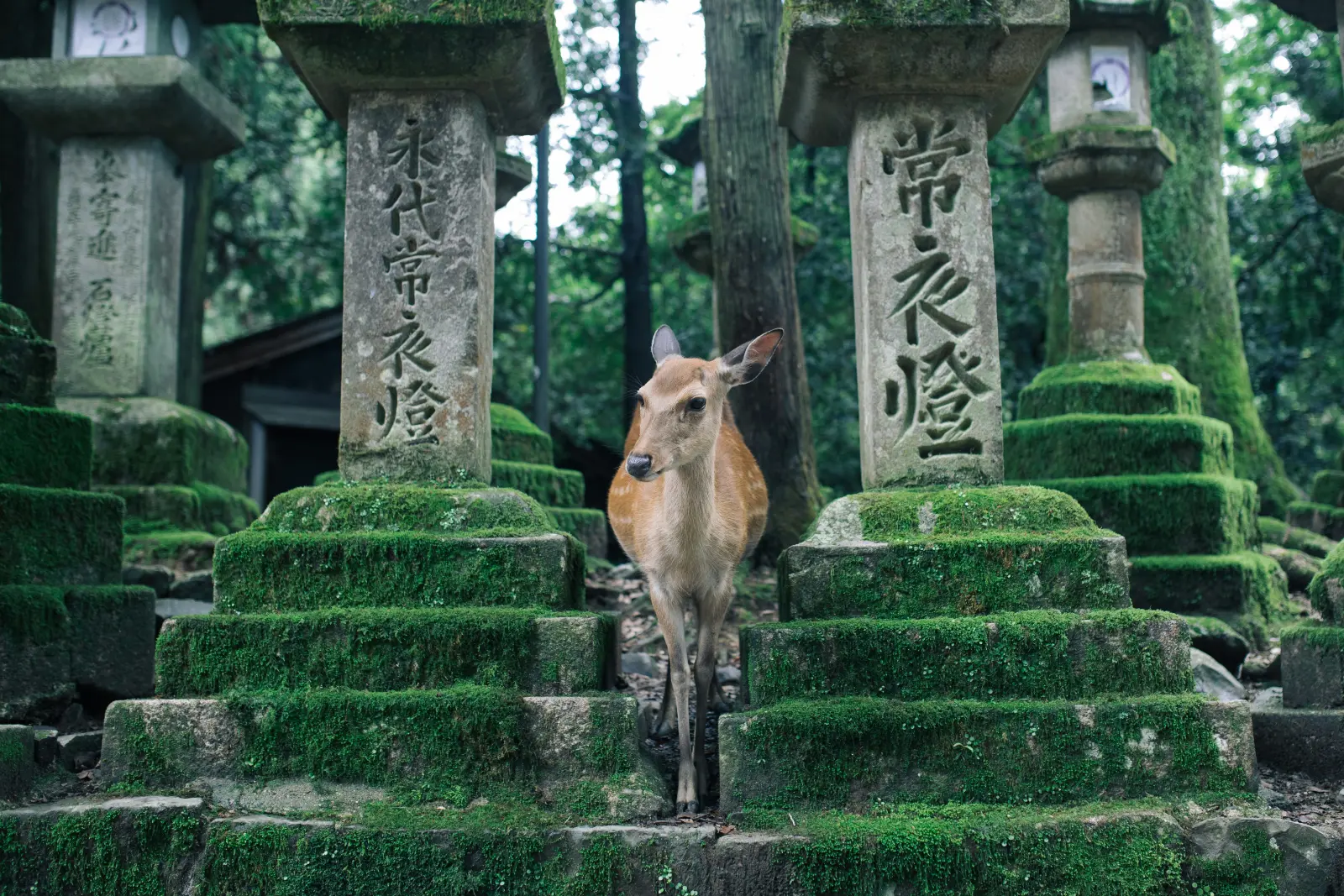
Nara is just under an hour away and home to Todaiji Temple, where a massive bronze Buddha sits inside a wooden hall. The friendly deer roaming Nara Park make it a fun and memorable outing.
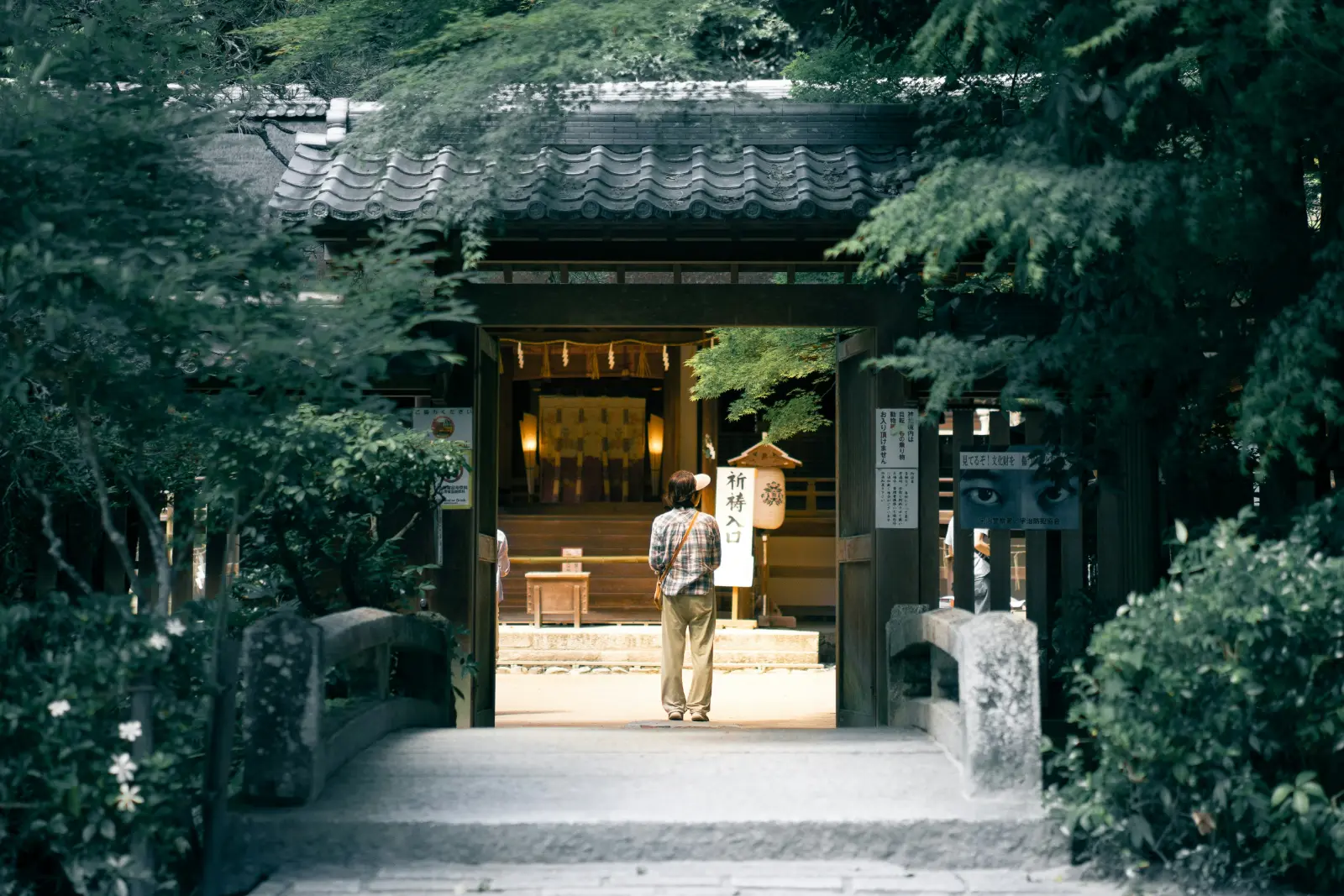
Uji is a must-visit for matcha enthusiasts. Here you can participate in tea ceremonies, visit Byodo-in Temple, and sample world-class green tea desserts.
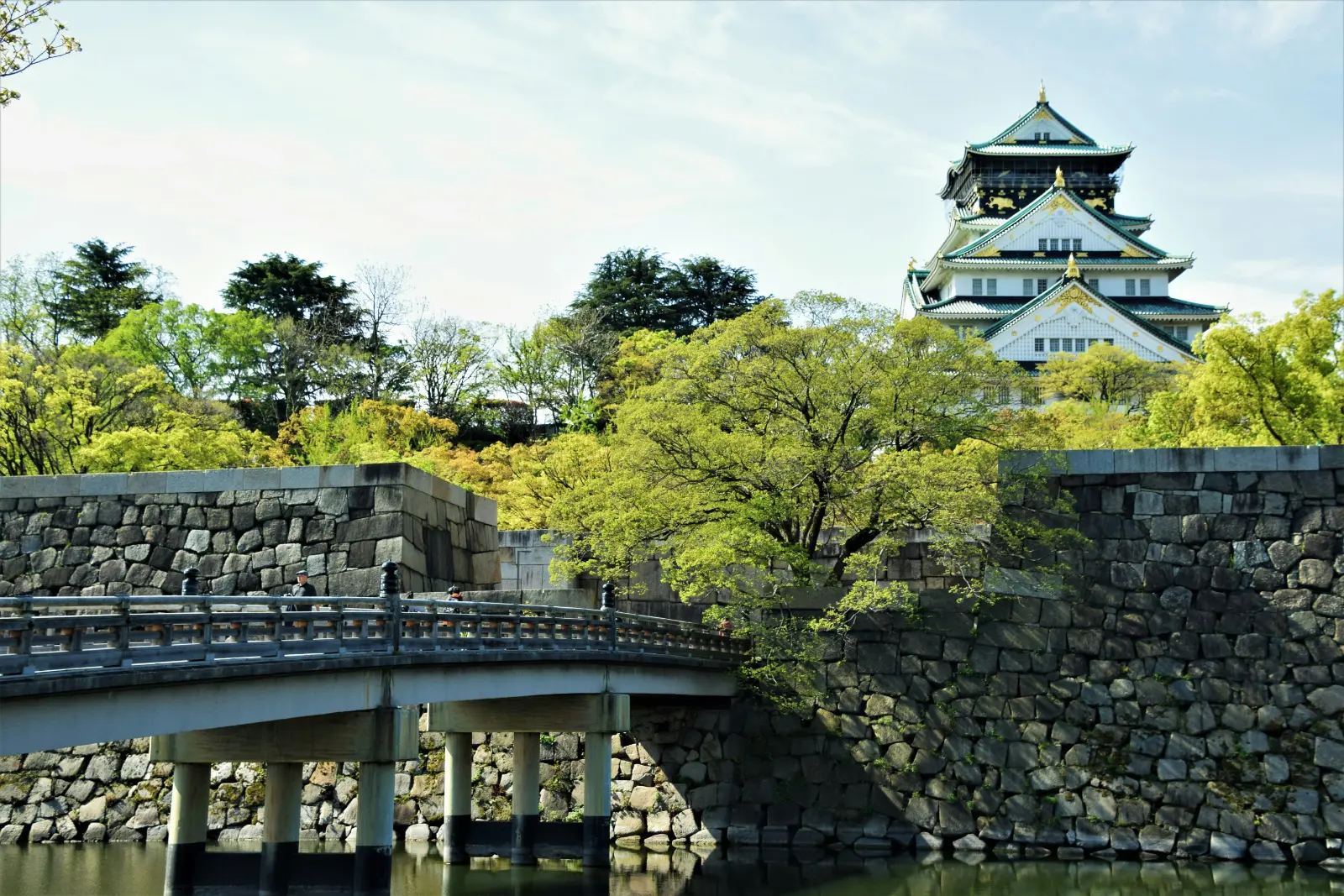
Osaka is bold, energetic, and food-driven. Travelers often visit Dotonbori, Osaka Castle, and try specialties like takoyaki and okonomiyaki.
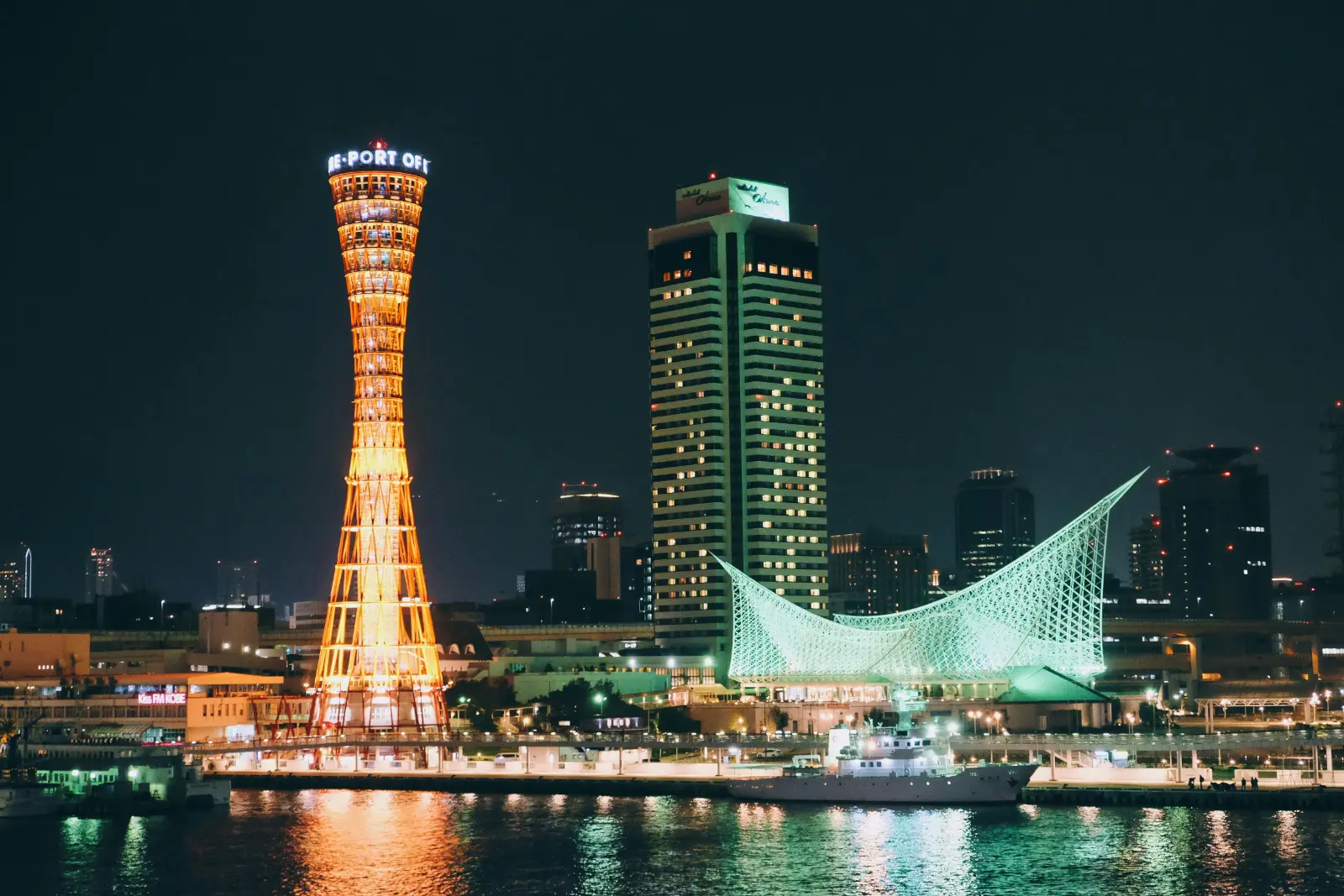
Kobe offers waterfront views, European-influenced architecture, and high-end dining opportunities. It’s a great half-day or evening trip.
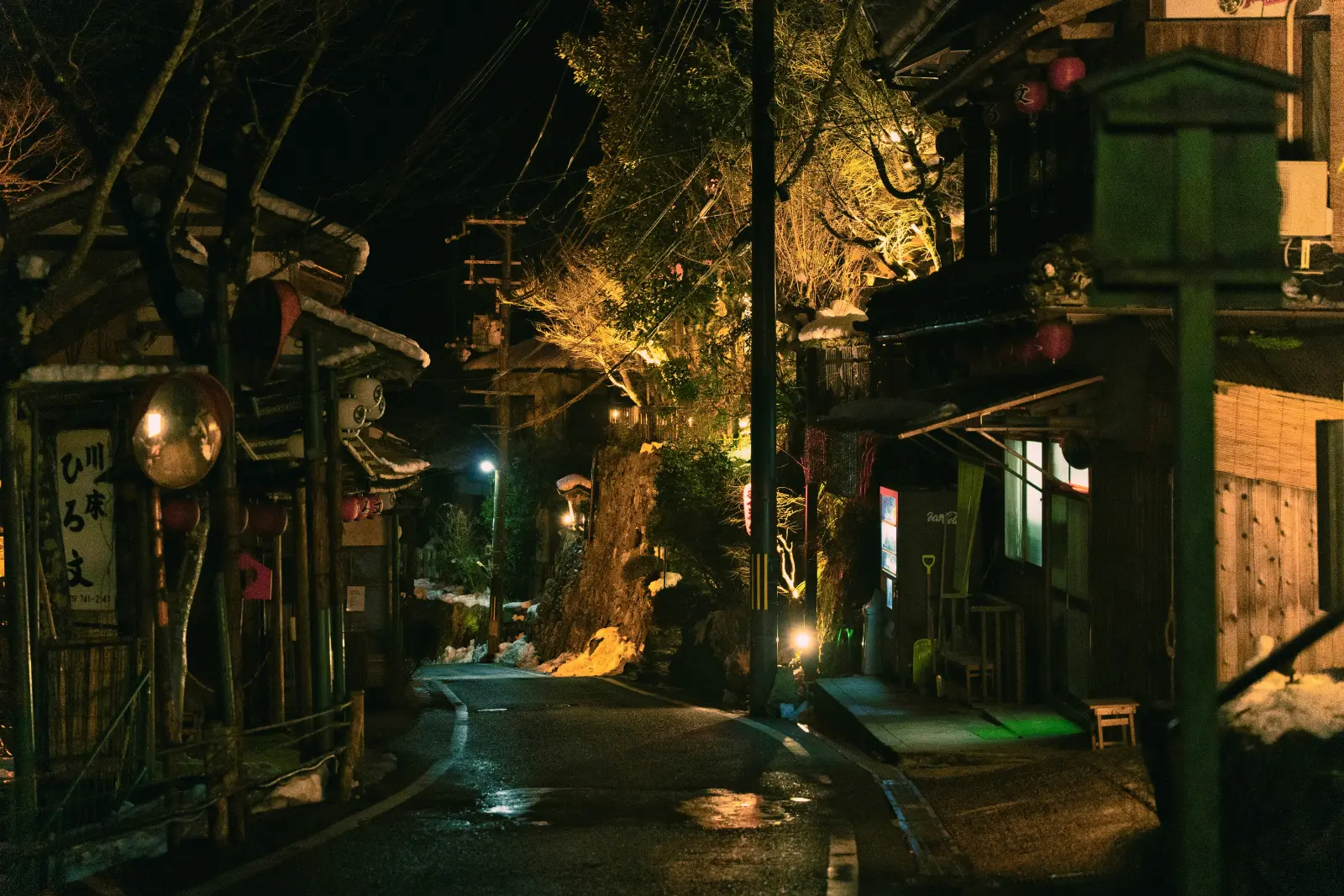
Kurama and Kibune provide a nature escape. The mountain trek between these two villages is scenic, peaceful, and filled with shrines and forest views.
Cultural Etiquette & Useful Tips
Cultural etiquette is deeply respected in Kyoto. Understanding a few basics will help you blend in and show appreciation for local customs.
When visiting temples and shrines, be mindful of signs indicating where photography is prohibited. Bowing once at the entrance gate is customary, and speaking softly maintains the sacred atmosphere. At purification fountains, rinse your hands respectfully before approaching the main hall.
In Gion, remember that geiko and maiko are working professionals. Taking photos from afar is acceptable, but blocking their path or attempting close-up pictures is considered disrespectful.
Kyoto is also a city where small gestures matter: avoid eating while walking in traditional neighborhoods, carry cash for small vendors, and keep conversations low on public transit.
Booking restaurants in advance is helpful, especially during peak seasons. Comfortable shoes are essential—Kyoto involves long walks, hills, and stone pathways.
How Much Does a Trip to Kyoto Cost?
Kyoto offers options for every budget. Accommodation ranges vary widely depending on location and season. Traditional ryokan stays are more expensive but offer immersive cultural experiences. Modern hotels near Kyoto Station tend to be more affordable and convenient.
Food costs in Kyoto are flexible. You can indulge in luxurious kaiseki meals or enjoy simple, delicious dishes at markets and small restaurants. Transportation is inexpensive, especially if you use day passes or IC cards.
Overall, Kyoto is slightly more expensive than Osaka but more affordable than Tokyo. Travelers with moderate budgets will find plenty of comfortable and satisfying options.
Safety & Practical Info
Kyoto is extremely safe, with low crime rates and friendly locals. Even at night, main districts feel secure. That said, always use standard safety awareness in crowded areas.
Convenience stores like 7-Eleven, Lawson, and FamilyMart are lifesavers—they offer ATMs, snacks, SIM cards, and quick meals. Luggage storage is available at train stations and many hotels, making temple-hopping easier without bags.
A pocket Wi-Fi device or local SIM card ensures you can navigate buses and trains with ease. Japan’s emergency number is 119, covering both fire and medical services.
Conclusion
To make your experience even better, start your days early. Kyoto’s major attractions become crowded quickly, especially during cherry blossom and autumn seasons. Group your sightseeing by district to avoid spending unnecessary time on transit.
Carry cash for temple offerings, bus rides, and smaller shops. And remember—Kyoto’s charm often lies between the big attractions. Allow yourself time to wander, discover a quiet garden, sip matcha by a window, or enjoy the small details that make this city unforgettable.
Above all, travel slowly. Kyoto rewards those who take their time, observe closely, and appreciate its subtle beauty.
Enjoy your new favourite stay
Discover how you can save on your next stay with Price Drop Protection