Mount Fuji
Overview
Mount Fuji isn’t just a mountain—it’s a national symbol, a cultural icon, and one of the most photogenic natural landmarks in the world. Rising 3,776 meters above sea level, Fuji-san stands gracefully between Yamanashi and Shizuoka Prefectures, attracting millions of travelers each year who want to witness its perfectly symmetrical form. Whether you’re visiting for incredible views, serene lakeside walks, spiritual significance, or world-class photography opportunities, Mount Fuji is an unforgettable highlight of any Japan itinerary.
Why Visit Mount Fuji
Mount Fuji has been celebrated in Japanese art, religion, and literature for centuries. Designated as a UNESCO World Heritage Site, it represents both natural beauty and cultural depth. For many travelers, seeing Mount Fuji for the first time is a dream moment—its snow-capped summit, ever-changing weather patterns, and dramatic scale leave a lasting impression.
The mountain is also incredibly accessible. You can reach the Fuji Five Lakes region or Hakone in under two hours from Tokyo, making it one of the easiest iconic day trips in Japan. Whether you're a photographer hunting for the perfect shot, a family visiting for the views, or an adventurer hoping to climb to the summit in summer, Mount Fuji has something for every kind of traveler.
Essential Things to Know
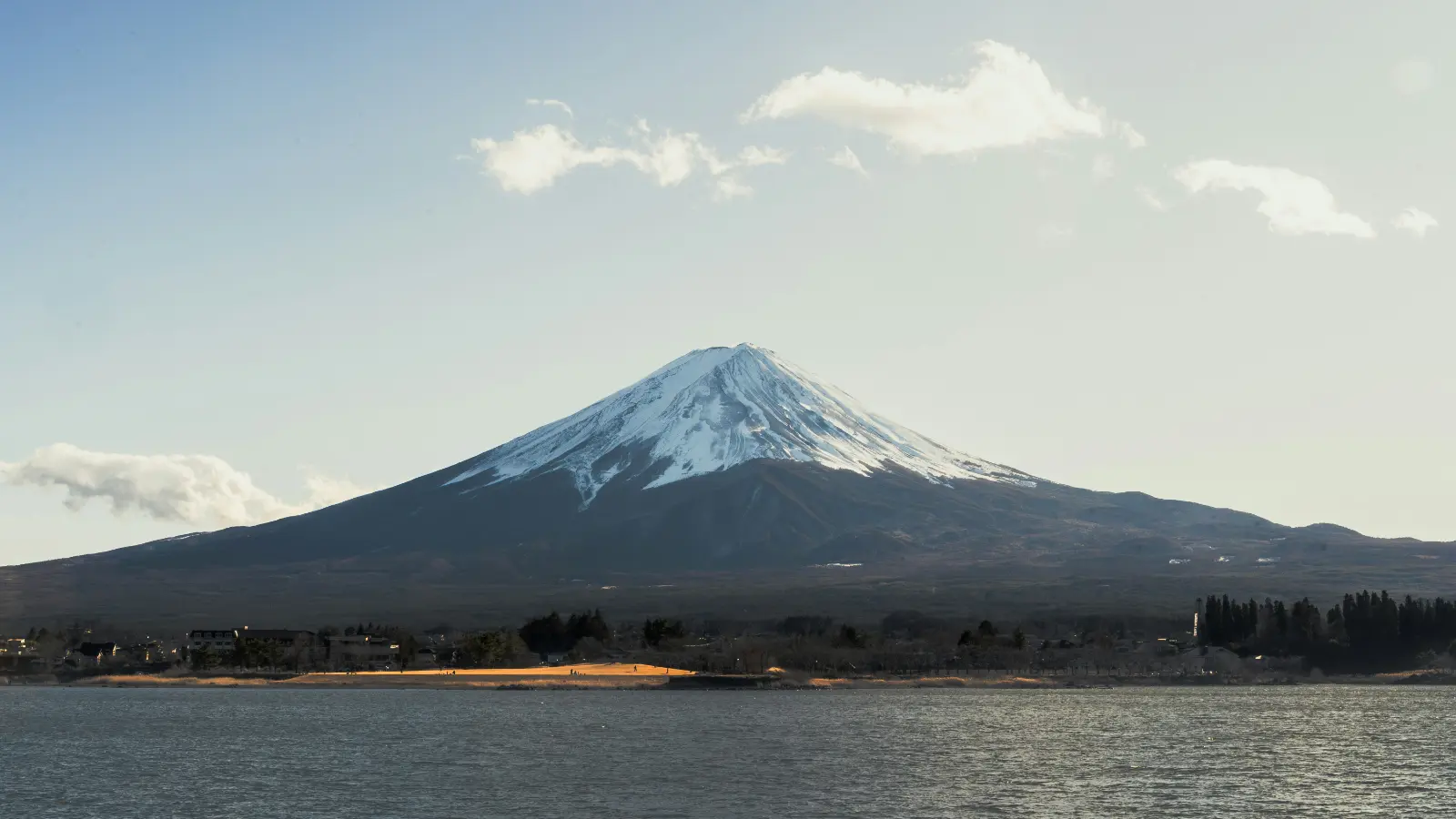
Mount Fuji is located about 100 kilometers southwest of Tokyo, and most viewpoints lie around the Fuji Five Lakes (Fujigoko) area or Hakone. Travelers typically need half a day to a full day, but staying overnight gives you a better chance of seeing the mountain clearly—clouds can roll in quickly.
Key tips:
- Mount Fuji is often covered in clouds, especially in the afternoon.
- Early mornings offer the clearest views.
- The climbing season runs from early July to early September.
- Winter provides the sharpest visibility but limited access to mountain trails.
Being mindful of local etiquette and safety rules is essential, especially when visiting shrines, nature areas, or viewpoints in residential regions.
Best Time to Visit Mount Fuji
Mount Fuji changes dramatically with the seasons, making every visit unique.
Spring (March–May)
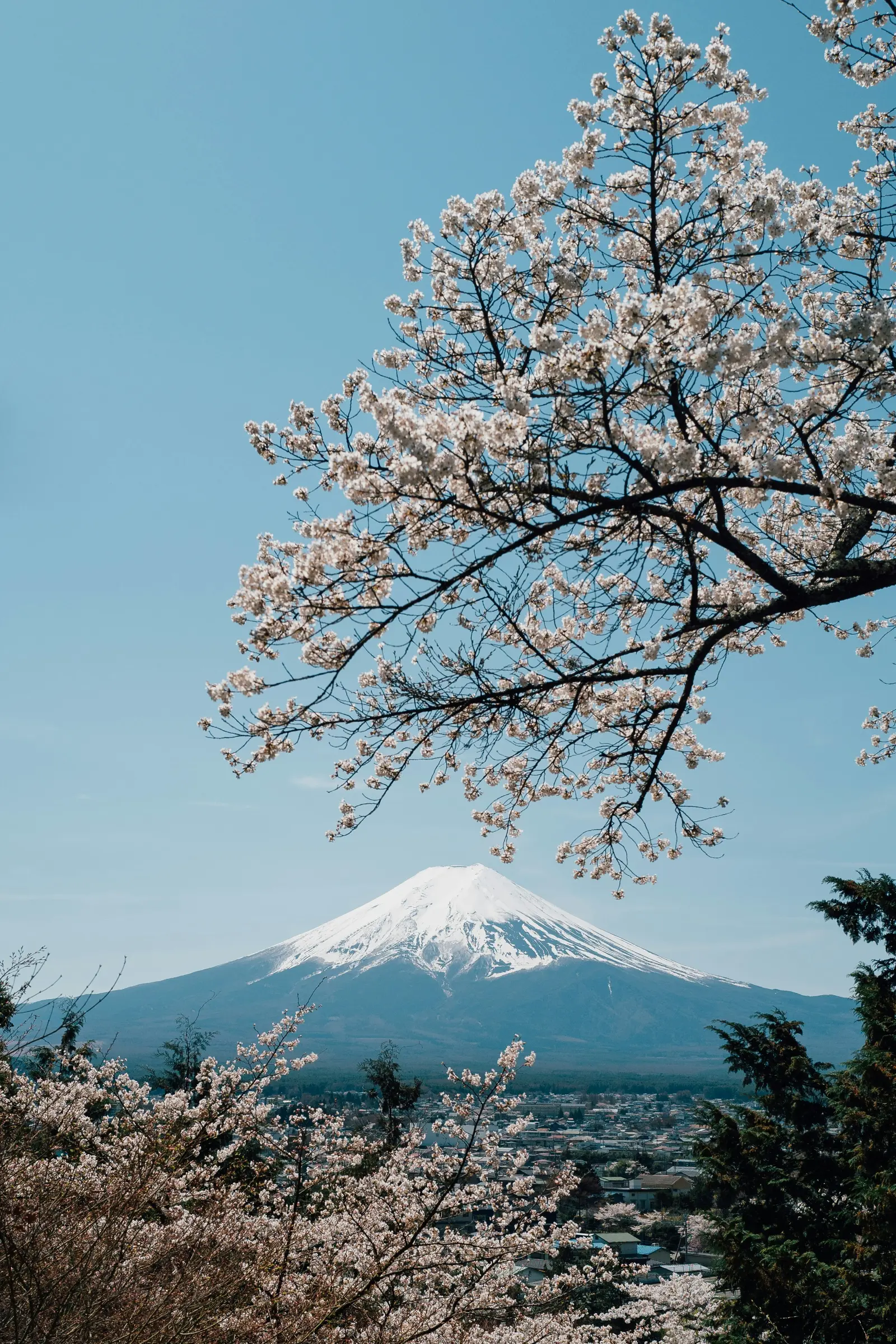
Expect cherry blossoms framing the mountain—especially around Lake Kawaguchi and Chureito Pagoda. Mild temperatures and fresh greenery make this one of the prettiest times to visit.
Summer (June–August)
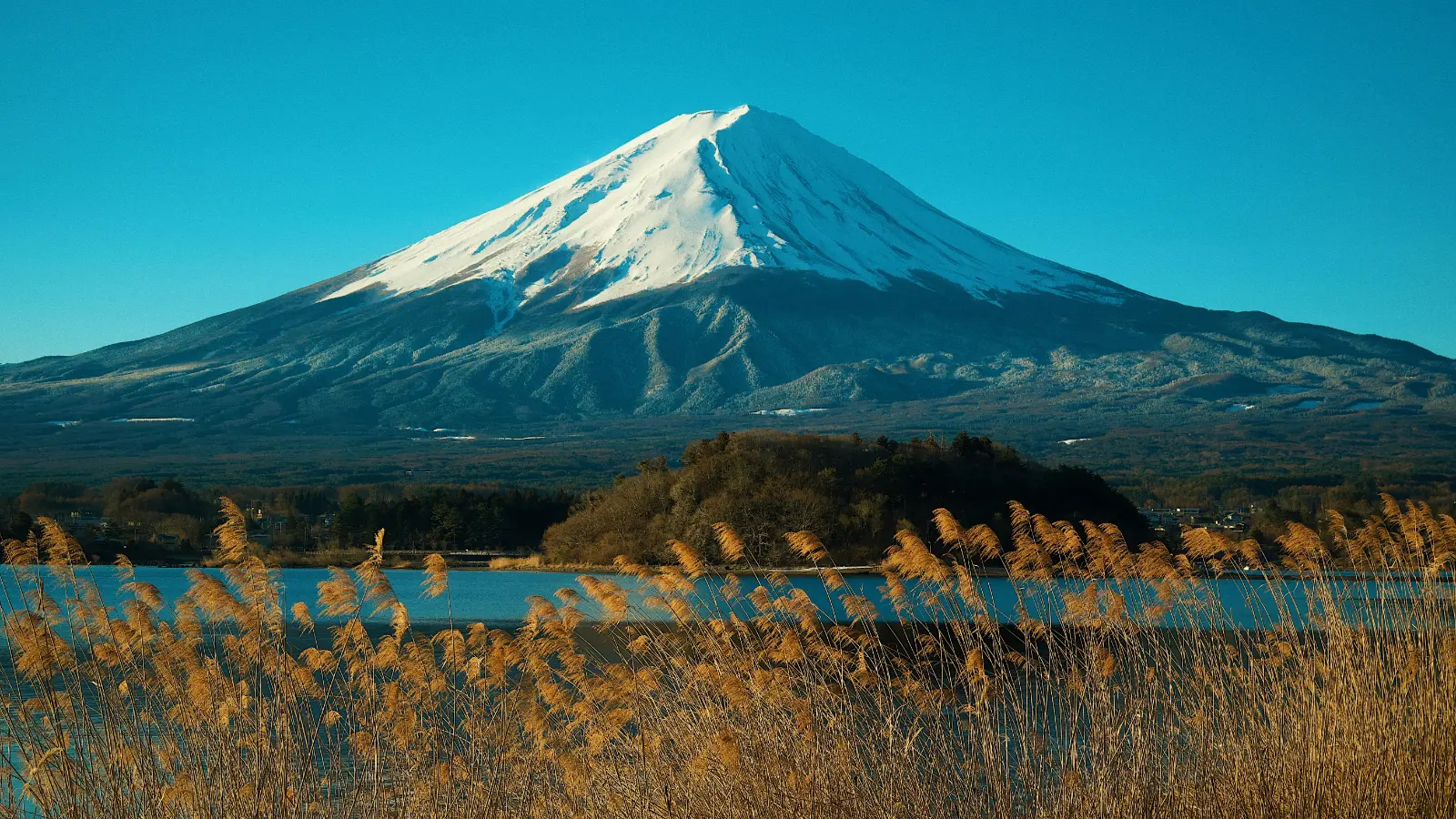
This is the official climbing season. Trails and mountain huts open, and the weather is warm enough for a safe ascent. Views can be hazy, but mornings still offer chances for clear skies.
Autumn (September–November)
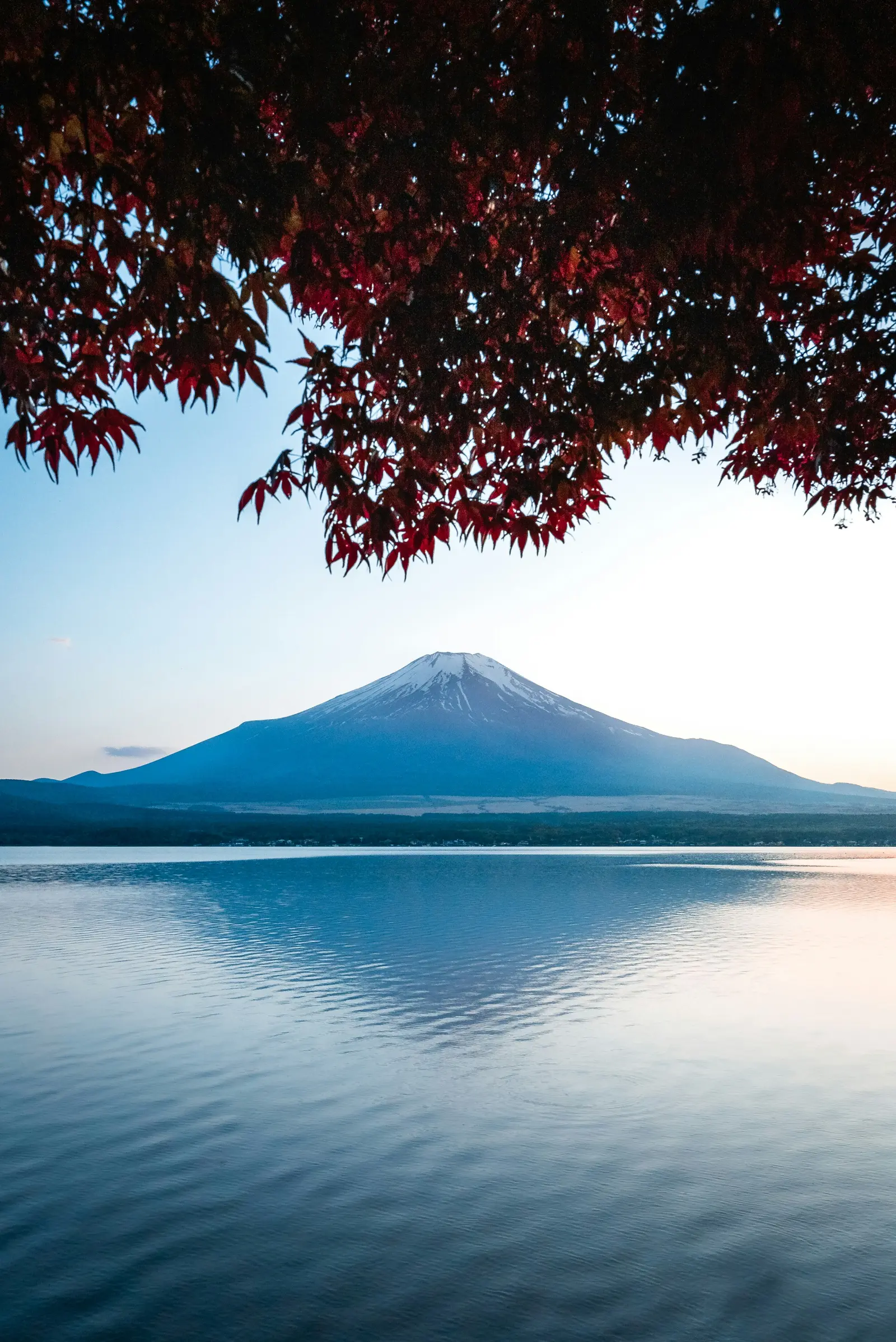
Crisp air and vibrant foliage make fall a favorite for photography. The contrast between red maple leaves and Fuji’s silhouette creates postcard-perfect scenes.
Winter (December–February)
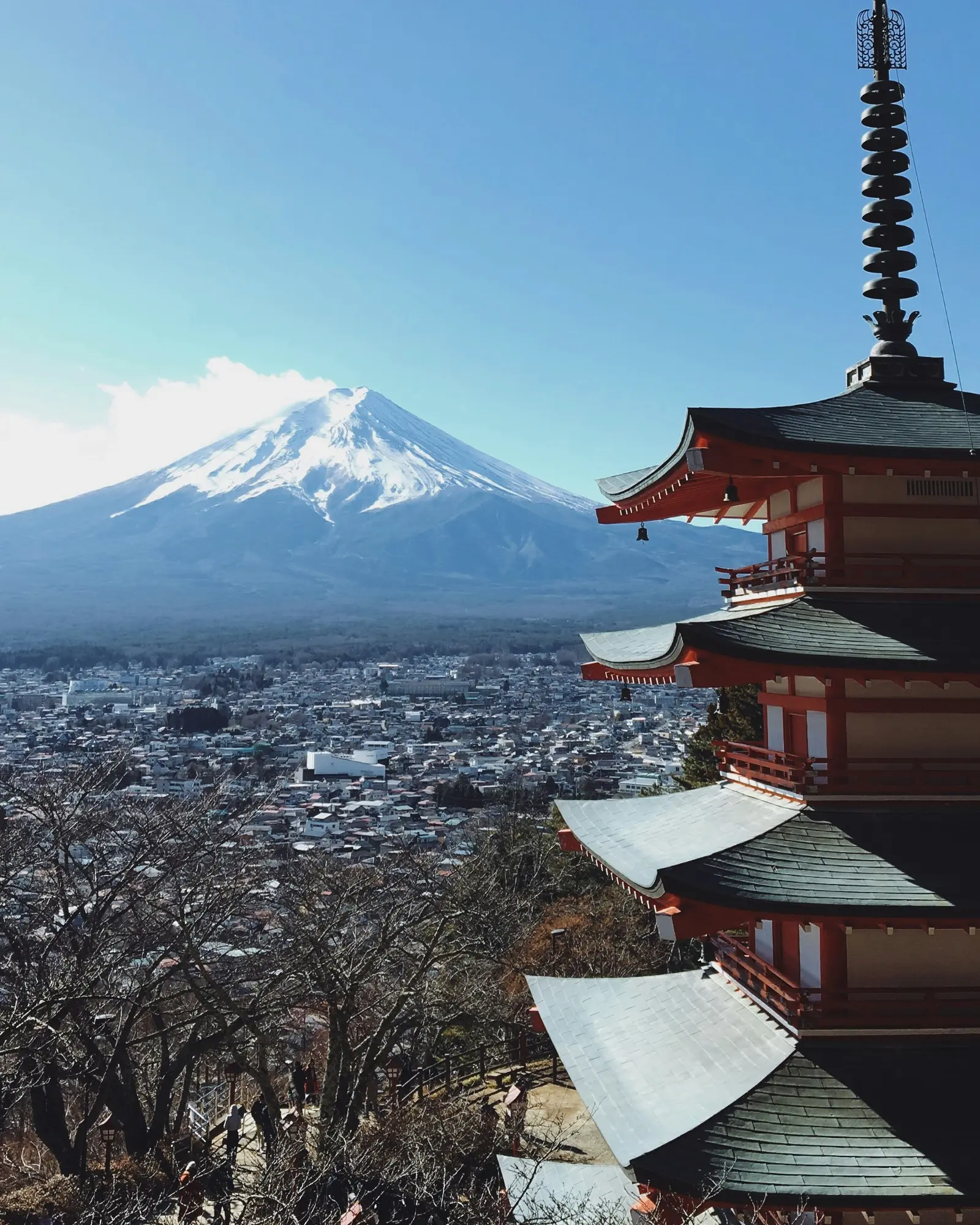
Winter offers the clearest visibility thanks to dry, stable weather. It’s the best time to photograph Fuji’s snow-capped peak, though many nearby attractions may be cold or icy.
Top Things to Do Around Mount Fuji
Mount Fuji 5th Station
The 5th Station is the highest point accessible by vehicle, sitting halfway up the mountain. It features shrines, small restaurants, souvenir shops, and sweeping views over the Fuji Five Lakes. It’s ideal for travelers who want to experience Mount Fuji’s elevation without climbing.
Fuji Five Lakes (Fujigoko)
The northern base of the mountain is dotted with five beautiful lakes, each offering unique perspectives.
- Lake Kawaguchi: The most popular and accessible lake. Perfect for easy strolls, ryokan stays, and photography.
- Lake Yamanaka: Known for nature activities and panoramic reflections.
- Lake Saiko: Quiet, forested, and ideal for outdoor lovers.
- Lake Shoji: Small, peaceful, and great for sunrise shots.
- Lake Motosu: Famous for the view featured on the ¥1,000 bill.
Chureito Pagoda
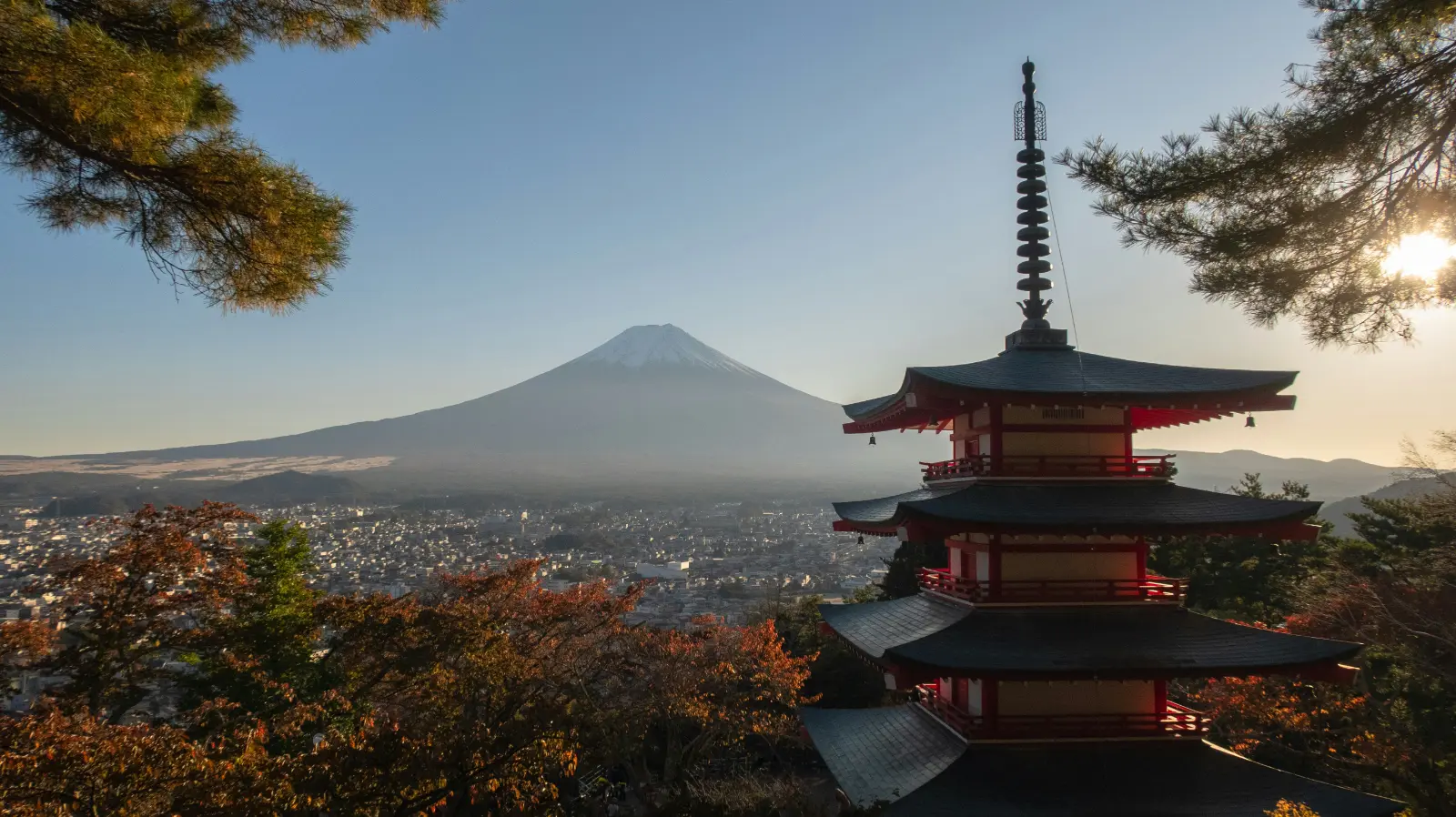
One of Japan’s most iconic viewpoints. The five-story pagoda sits atop a hill overlooking Fuji with cherry blossoms in spring and fiery maples in fall. It’s a must-visit for photographers.
Arakurayama Sengen Park
Home to Chureito Pagoda, this mountainside park offers seasonal beauty, walking paths, and picture-perfect scenery.
Hakone Region
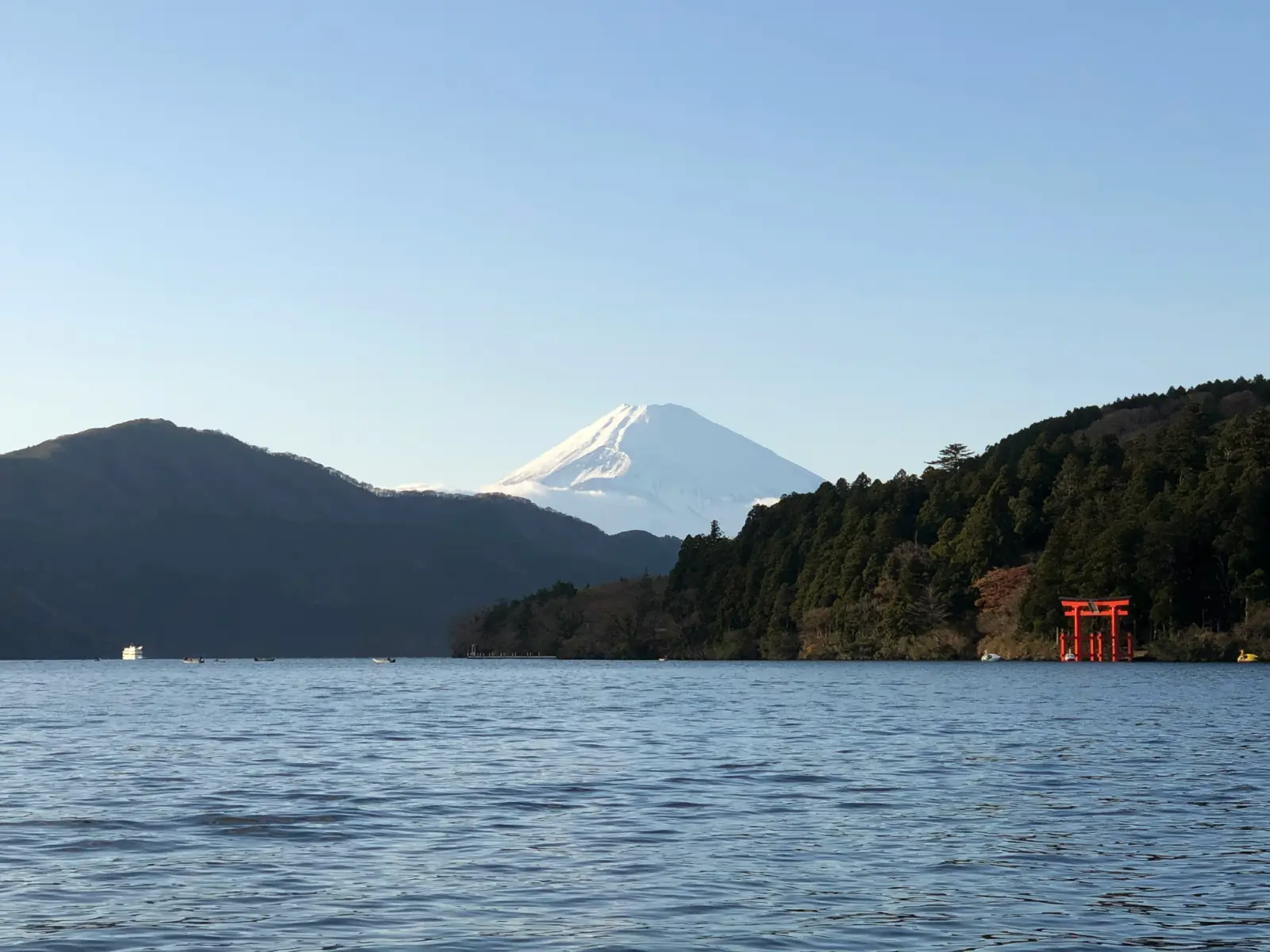
Hakone is another popular area for Mount Fuji views. Take a pirate ship cruise on Lake Ashi, ride the ropeway over Owakudani’s volcanic valley, and enjoy hot springs with Fuji-facing viewpoints.
Fuji-Q Highland
A theme park famous for record-breaking roller coasters, all set against the dramatic backdrop of Mount Fuji. A great stop for thrill-seekers.
Onsens With Fuji Views
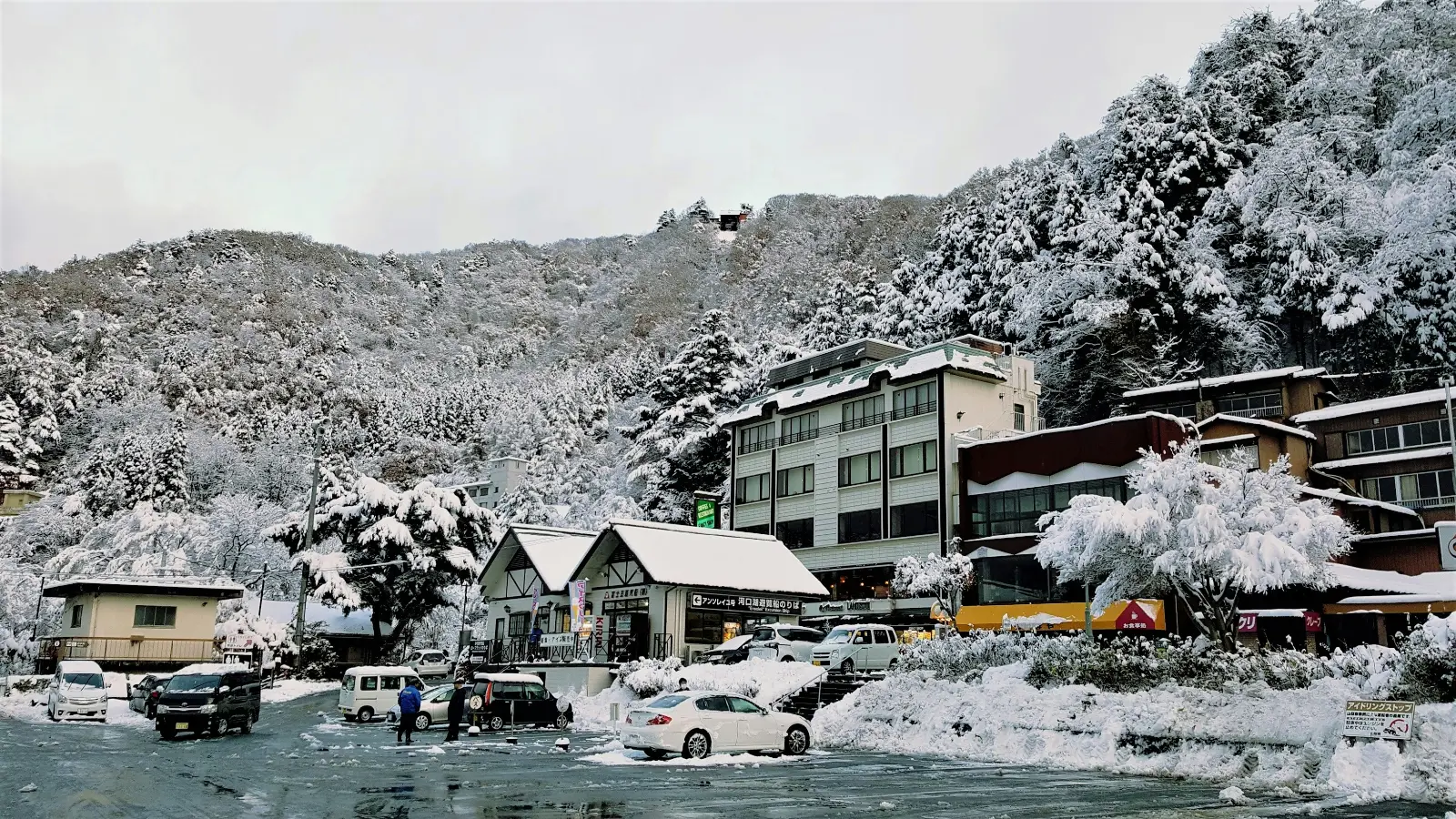
Many ryokans and public baths around Kawaguchiko and Hakone offer open-air hot springs where you can soak while admiring Japan’s most iconic peak.
Climbing Mount Fuji
Climbing Fuji is a bucket-list experience for many travelers. The ascent is physically demanding but not technical, making it achievable for beginners with preparation.
Popular Trails
- Yoshida Trail: Most popular and beginner-friendly
- Subashiri Trail: Quieter, forested lower slopes
- Gotemba Trail: Longest and most challenging
- Fujinomiya Trail: Shortest route to the summit
Hikers typically climb overnight to reach the summit for sunrise—known as goraikō, the “arrival of light.”
Important: Do not climb outside the official season. Conditions become dangerous due to snow, ice, and strong winds.
Best Viewpoints of Mount Fuji
For First-Time Visitors
- Chureito Pagoda
- Lake Kawaguchi Oishi Park
For Photographers
- Oshino Hakkai, with its traditional farmhouses
- Shibazakura Festival, where pink moss phlox carpets the ground
- Panoramic Ropeway, offering elevated views
For Relaxation
- Ryokans with open-air baths overlooking the mountain
- Lake Kawaguchi cruise boats
- Hakone onsens
How to Get to Mount Fuji
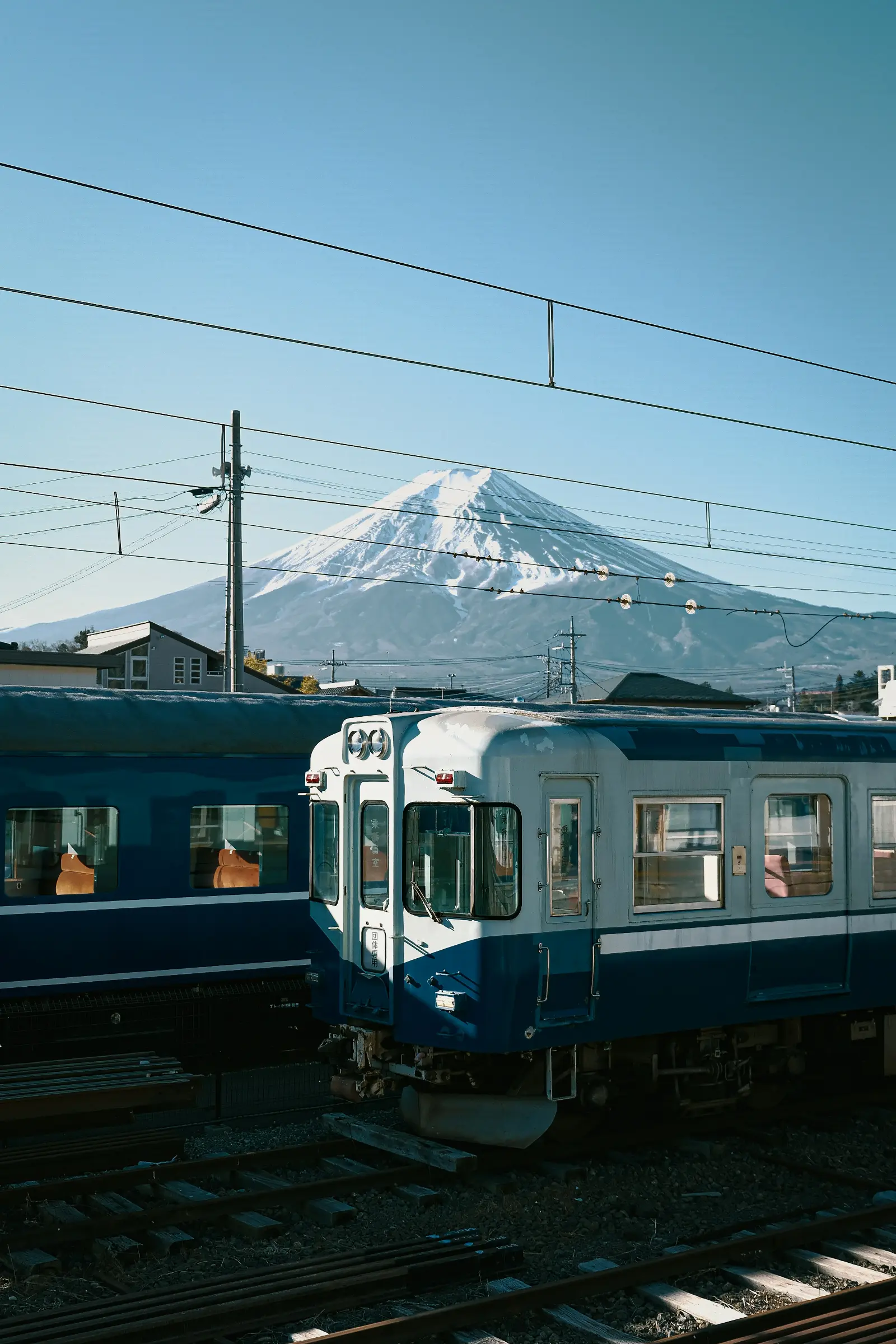
From Tokyo
Travelers can reach Mount Fuji in under two hours by:
- Express buses from Shinjuku to Kawaguchiko
- JR trains to Otsuki, then the Fujikyuko Line
- Direct tour buses for day trips
From Kyoto or Osaka
Take the Shinkansen to Mishima or Shin-Fuji, then transfer to local buses heading toward the Fuji Five Lakes or Hakone regions.
From Hakone
The Hakone Tozan Railway, buses, and ropeway make it easy to combine both regions into a full-day loop with sightseeing, cruises, and Fuji photo stops.
Where to Stay Near Mount Fuji
Kawaguchiko
The best base for classic Fuji views. This area offers:
- Lakeside ryokans
- Boutique hotels
- Budget-friendly guesthouses
Hakone
Perfect for travelers wanting onsen resorts, nature trails, and scenic attractions. Many accommodations offer private baths with Fuji views.
Best by Traveler Type
- Couples: Ryokans with outdoor baths
- Families: Hotels near Fuji-Q Highland
- Photographers: Lake Kawaguchi shore or Motosu area
- Solo travelers: Hostels around Kawaguchiko Station
Practical Tips for Visiting Mount Fuji
- Arrive early for the best visibility.
- Bring layers—weather changes quickly.
- If you’re visiting multiple lakes, rent a bike or car for more flexibility.
- Check live cams to see if Fuji is visible before heading out.
- Respect local homes and shrines when taking photos.
- Be prepared for crowds during cherry blossom and autumn seasons.
Sample Itineraries
Half-Day Trip From Tokyo
- Morning express bus to Kawaguchiko
- Walk through Oishi Park
- Visit Chureito Pagoda
- Lunch with Fuji views
- Return to Tokyo by late afternoon
Full-Day Mount Fuji & Hakone Loop
- Kawaguchiko morning views
- Bus transfer to Hakone
- Lake Ashi cruise
- Owakudani Ropeway
- Return to Tokyo via Odawara
2-Day Mount Fuji + Five Lakes Stay
Day 1: Kawaguchiko exploration, hot springs, lakeside dinner
Day 2: Panoramic Ropeway, Fuji-Q Highland, or lake cycling
Conclusion
Mount Fuji is more than a destination—it’s a symbol of Japan’s natural beauty, cultural heritage, and spiritual significance. With breathtaking scenery, tranquil lakes, dramatic viewpoints, and easy access from major cities, it remains one of the most rewarding places to visit in the country. Whether you're planning a day trip, a photography journey, or a multi-day escape, Mount Fuji promises unforgettable moments at every turn.
For travelers looking to explore Mount Fuji and beyond, Roameta makes planning simple—with transparent pricing, real rewards, and easy booking tools for flights, hotels, and rental cars. Start your Japan adventure with confidence and enjoy travel the way it should be.
Enjoy your new favourite stay
Discover how you can save on your next stay with Price Drop Protection