The Colosseum
Overview
Few landmarks in the world are as instantly recognizable as the Colosseum. Rising from the heart of Rome, this vast stone amphitheater is a powerful symbol of the Roman Empire’s ambition, engineering brilliance, and complex history. Visiting the Colosseum is more than just ticking off a famous sight — it’s a chance to step inside a structure that once hosted some of the most dramatic spectacles of the ancient world.
Whether it’s your first time in Rome or a return visit, the Colosseum remains an essential stop for anyone wanting to understand the city’s past and its enduring influence on modern civilization.
A Brief History of the Colosseum
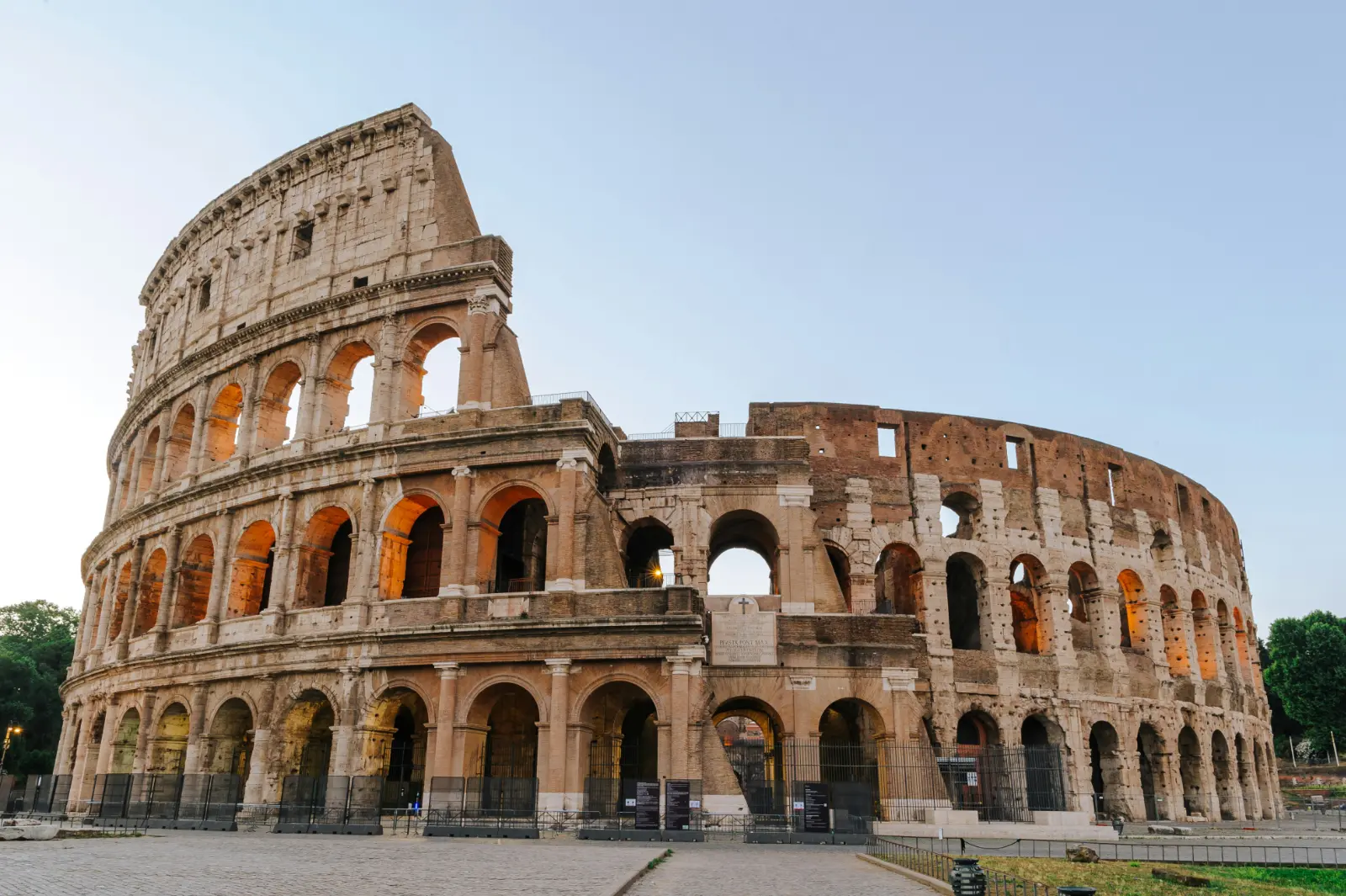
Construction of the Colosseum began in AD 72 under Emperor Vespasian of the Flavian dynasty and was completed in AD 80 during the reign of his son, Emperor Titus. Officially known as the Amphitheatrum Flavium, it was built as a gift to the Roman people, designed to host large-scale public entertainment.
At its peak, the Colosseum could hold an estimated 50,000 to 65,000 spectators. Events included gladiator battles, animal hunts (venationes), executions, and public spectacles meant to reinforce imperial power and social order. These events were free to attend, making them a central part of Roman civic life.
Despite earthquakes, fires, stone looting, and centuries of neglect, the Colosseum has endured. Its survival through nearly two millennia is a testament to Roman engineering and its importance as a cultural icon.
Architecture and Engineering Marvel
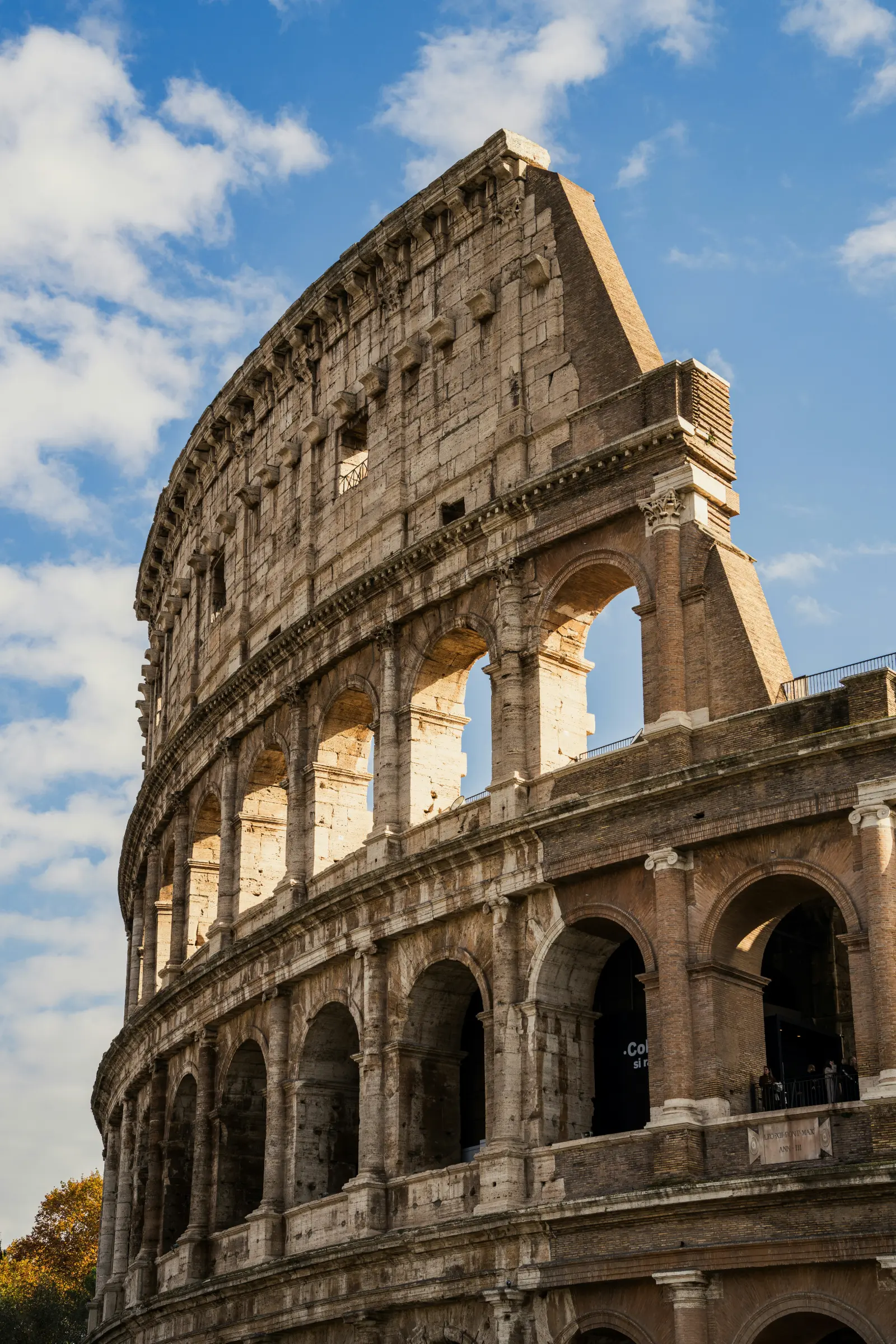
The Colosseum was a groundbreaking architectural achievement for its time. Built primarily from travertine limestone, volcanic rock (tuff), and Roman concrete, it stands approximately 48 meters (157 feet) tall and spans an elliptical footprint.
One of its most impressive features is the sophisticated system of arches and vaults, which allowed massive crowds to enter and exit efficiently — a design concept still used in modern stadiums today. The exterior features three levels of arches framed by different classical columns: Doric, Ionic, and Corinthian.
Inside, seating was arranged according to social hierarchy. Senators and elites sat closest to the arena, while common citizens occupied the upper levels. This strict organization reflected Roman society itself.
Exploring the Colosseum Interior

Walking inside the Colosseum brings history into sharp focus. Visitors can explore several key areas that reveal how the structure functioned and what life was like during its active years.
The arena floor is partially reconstructed, allowing visitors to stand where gladiators once fought. From here, you can imagine the roar of the crowd and the scale of the performances.
Below the arena lies the hypogeum, an underground network of tunnels, lifts, and chambers. This complex system housed animals, gladiators, and stage machinery, enabling dramatic entrances and surprise moments during events. Access to the hypogeum is available through guided tours and is one of the most fascinating parts of the visit.
Upper levels provide panoramic views of the arena and surrounding ruins, offering a sense of the Colosseum’s immense scale and its relationship to nearby landmarks like the Roman Forum.
Colosseum Tickets and Entry Options
Most visitors purchase a combined ticket that includes access to the Colosseum, Roman Forum, and Palatine Hill. This ticket is valid for 24 hours and allows you to explore ancient Rome’s most important sites at your own pace.
Ticket options typically include:
- Standard entry tickets
- Skip-the-line tickets
- Guided tours
- Special access tours (arena floor or hypogeum)
Guided tours are highly recommended for first-time visitors, as they provide historical context and help bring the ruins to life. Tickets often sell out days in advance, especially during peak season, so booking ahead is strongly advised.
Best Time to Visit the Colosseum
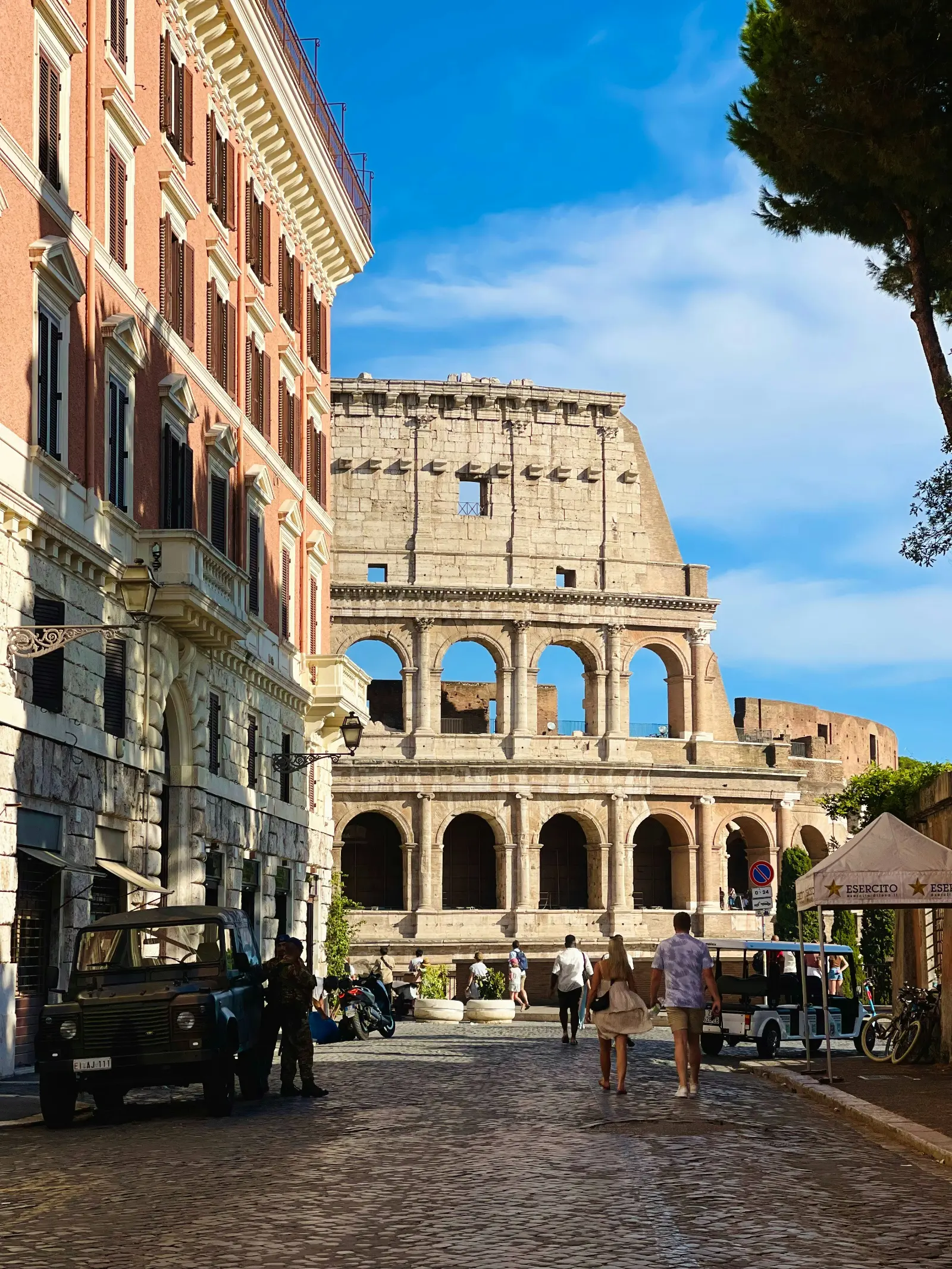
The Colosseum is one of the most visited attractions in Europe, so timing can make a big difference to your experience.
The best months to visit are April–May and September–October, when temperatures are mild and crowds are slightly lighter. Summer months are extremely busy and can be uncomfortably hot, especially inside the stone structure.
Early morning visits are ideal for avoiding crowds and enjoying softer light for photography. Late afternoon visits can also be pleasant, though they tend to be busier. Evening guided tours, when available, offer a unique atmosphere and fewer visitors.
How Long Should You Spend at the Colosseum?
Most visitors spend 60 to 90 minutes inside the Colosseum itself. If you’re combining your visit with the Roman Forum and Palatine Hill, plan for 3 to 4 hours total.
History enthusiasts or travelers joining guided or special-access tours may want to allow extra time to fully appreciate the site’s complexity.
How to Get to the Colosseum
The Colosseum is centrally located and easy to reach from most parts of Rome. The closest metro stop is Colosseo on Line B, which exits directly in front of the monument.
It’s also well-connected by bus and tram routes, and many visitors arrive on foot while exploring the historic center. Nearby landmarks include the Roman Forum, Arch of Constantine, and Palatine Hill.
Practical Tips for Visiting
Security checks are in place, similar to airport screening, so allow extra time to enter. Large backpacks, luggage, and glass bottles are not permitted.
Wear comfortable walking shoes, as surfaces can be uneven and slippery. During warmer months, bring water, sunscreen, and a hat. While there is no strict dress code, respectful attire is always recommended when visiting historic sites.
Photography is allowed throughout the Colosseum, and early morning or late afternoon offers the best lighting conditions.
Visiting the Colosseum with Kids
The Colosseum can be a fascinating experience for children, especially those interested in history or gladiator stories. Family-friendly guided tours often include engaging storytelling and visual aids that help younger visitors understand what they’re seeing.
Parents should keep a close eye on children, particularly in upper levels and stairways, where railings may be low and surfaces uneven.
Nearby Attractions Worth Visiting
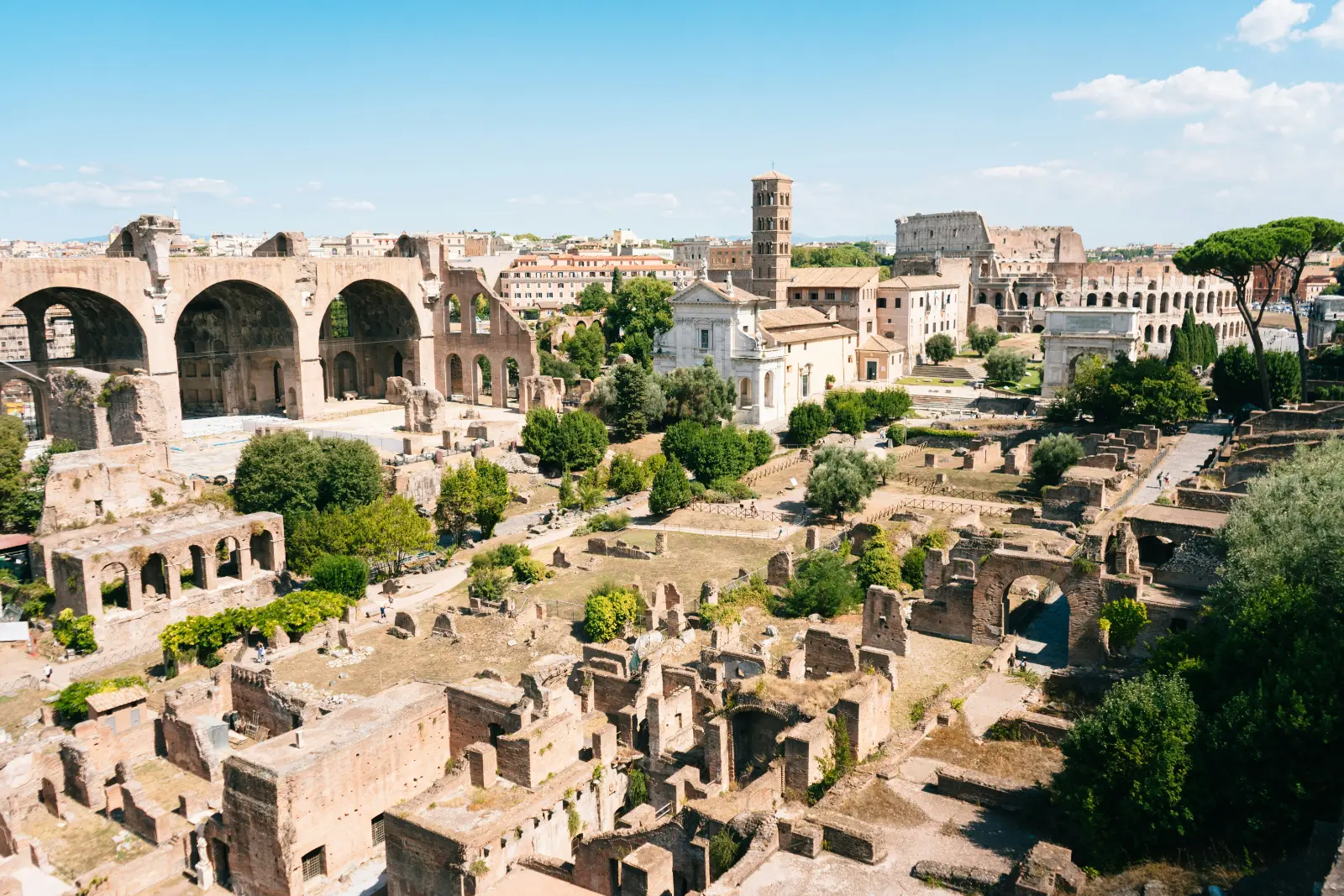
A visit to the Colosseum pairs naturally with several nearby attractions. The Roman Forum offers a glimpse into daily life in ancient Rome, while Palatine Hill provides sweeping views and insight into Rome’s earliest settlements.
Just outside the Colosseum stands the Arch of Constantine, a well-preserved triumphal arch celebrating military victory. Together, these sites form the core of ancient Rome and can easily fill an entire day of exploration.
Colosseum Facts, Myths, and Misconceptions
While gladiator combat is the Colosseum’s most famous association, not all events were deadly. Many gladiators were highly trained professionals, and matches were often regulated.
Contrary to popular belief, large-scale naval battles were likely rare or symbolic rather than fully staged with water-filled arenas. Ongoing research continues to challenge long-held myths and deepen our understanding of how the Colosseum was actually used.
Is the Colosseum Worth Visiting?
For most travelers, the answer is an emphatic yes. The Colosseum offers a rare opportunity to stand inside a structure that shaped entertainment, architecture, and public life for centuries. While it can be crowded and overwhelming at times, thoughtful planning and advance tickets make the experience deeply rewarding.
Those seeking quieter historical sites may prefer lesser-known ruins, but for first-time visitors to Rome, the Colosseum remains unmatched in scale and significance.
Conclusion
The Colosseum is more than Rome’s most famous attraction — it’s a lasting reminder of humanity’s capacity for both creativity and spectacle. Standing within its ancient walls connects you to nearly 2,000 years of history, from imperial triumphs to modern preservation efforts.
With a little preparation, visiting the Colosseum can be one of the most memorable highlights of any trip to Rome.
Enjoy your new favourite stay
Discover how you can save on your next stay with Price Drop Protection