Temple of the Emerald Buddha (Wat Phra Kaew)
Overview
The Temple of the Emerald Buddha (Wat Phra Kaew) is often described as the spiritual heart of Thailand—and once you step onto its gleaming grounds, it’s easy to understand why. Located inside the sprawling Grand Palace complex, this revered site is a breathtaking fusion of architecture, spirituality, and history. Gold-plated stupas rise into the sky, shimmering mosaics glint beneath the sun, and intricately carved mythical guardians stand watch over every sacred corner. For travellers exploring Bangkok, Wat Phra Kaew is not simply an attraction—it is an immersive encounter with Thailand’s identity, devotion, and artistic legacy.
A Glimpse into History
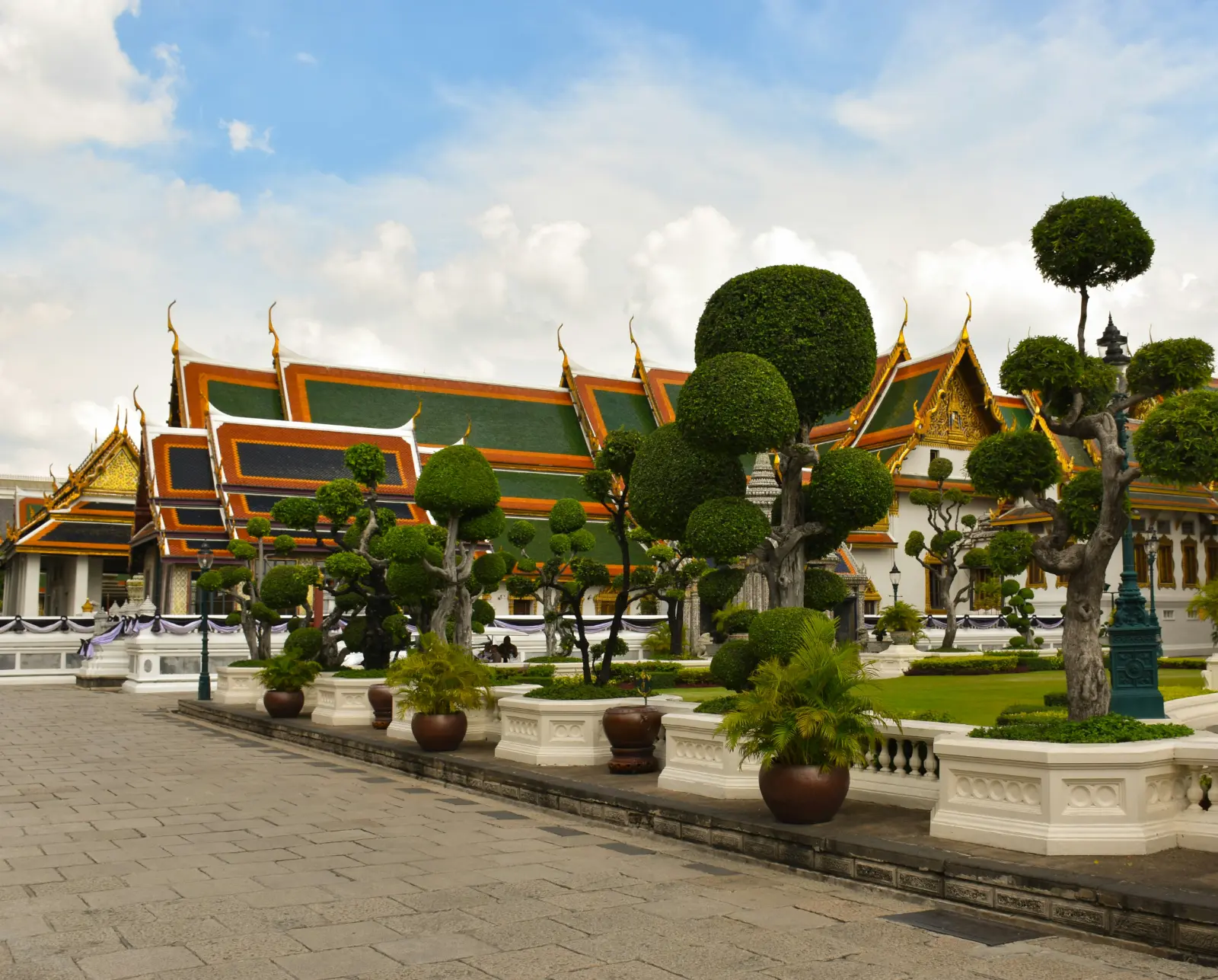
Wat Phra Kaew was established in 1782, the same year Bangkok was founded as the capital of the newly formed Rattanakosin Kingdom under King Rama I. At that time, the Emerald Buddha—already considered a sacred and protective icon—was transported from Thonburi to the east bank of the Chao Phraya River. The construction of the Grand Palace and Wat Phra Kaew symbolized the dawn of a new era, cementing Bangkok’s role as both a political and spiritual centre.
Throughout Thailand’s history, the temple complex has been meticulously expanded, restored, and safeguarded by successive kings. Each reign left its artistic imprint on the buildings, murals, and sculptures, creating a space that feels like a layered timeline of Thai craftsmanship. Unlike many temples in Thailand, Wat Phra Kaew does not house monks; instead, it was designed specifically for royal ceremonies. This makes its atmosphere distinct—formal, ceremonial, and deeply symbolic.
The Emerald Buddha: A Sacred Treasure
At the heart of the complex sits the Emerald Buddha, a small yet profoundly significant statue carved entirely from a single block of jade. Despite being just 66 cm (26 inches) in height, its influence spans centuries.
A Statue Full of Legend
The origins of the Emerald Buddha are shrouded in myth and historical mystery. Various accounts suggest it may have originated in India, Sri Lanka, or northern Thailand. What is known is that the figure changed hands many times—through wars, shifting kingdoms, and royal successions—before finally being enshrined in Bangkok.
Seasonal Ceremonial Costumes
One of the most revered traditions associated with the statue is its seasonal costume change, performed personally by the King of Thailand. The ritual takes place three times a year, aligned with the country’s climate cycle:
- Summer Costume – a golden crown and regal adornments
- Rainy Season Costume – a robe of reflective gold for protection
- Winter Costume – a fine gold cloak symbolizing warmth and prosperity
Each ceremony is believed to bring blessings to Thailand, reinforcing the Emerald Buddha’s role as a guardian of the nation.
Inside the Ubosot, where the statue sits atop an ornate multi-tiered altar, visitors immediately feel a shift in atmosphere. Even with many people present, the hall retains a sense of stillness and reverence. No photography is permitted inside, preserving the sanctity of the space and encouraging visitors to absorb the moment without distraction.
Architectural Highlights You Shouldn’t Miss
The temple grounds are a masterpiece of Thai decorative arts. Wandering through them is like stepping into a living museum where every pillar, mosaic, and mural has a story to tell.
1. Ubosot (Ordination Hall)
The Ubosot is the holiest building within Wat Phra Kaew. Its exterior is adorned with mirrored tiles, gilded carvings, and meticulously painted window shutters. The structure is raised on a high platform, symbolizing its spiritual elevation above the earthly world. Inside, the Emerald Buddha is framed by towering golden columns and glowing candlelight—an atmosphere that feels simultaneously intimate and monumental.
2. Phra Si Ratana Chedi (Golden Chedi)
This gold-covered stupa dominates the skyline of the complex. Built in a Sri Lankan-style design, its bell shape represents the Buddha’s presence and enlightenment. Under the bright Bangkok sun, the chedi becomes almost mirror-like—visitors often find themselves pausing simply to admire the way it reflects the sky.
3. Phra Mondop (Scripture Hall)
The Mondop houses sacred Buddhist scriptures written on palm leaves. Its architecture combines elegance and deep symbolism: guardian statues stand at each corner, the roof features cascading, multi-tiered layers, and its surfaces are decorated with delicate glass mosaics. Although visitors cannot enter, the exterior alone is worth examining up close.
4. Ramakien Murals
Encircling the courtyard is a cloister lined with more than 170 panels of murals illustrating the Ramakien—Thailand’s national epic based on the Hindu Ramayana. The murals are vibrant, dramatic, and incredibly detailed, depicting gods, warriors, mythical creatures, and battles. Walking the entire gallery feels like reading an ancient illustrated novel.
5. Yaksha Guardian Statues
These giant, colourful guardians are some of the most famous sculptures in the temple. They stand proudly at entrances, clutching weapons and wearing fierce expressions to fend off evil spirits. Their elaborate designs, lavish colours, and imposing size make them favourite photo spots for visitors.
6. Angkor Wat Model
Commissioned in the 19th century, this miniature replica of Cambodia’s Angkor Wat reflects the historical influence Thailand once held over the region. It’s a fascinating reminder of Southeast Asia’s interconnected past.
What to Expect During Your Visit
A visit to Wat Phra Kaew is both visually overwhelming and culturally enriching. The grounds are expansive, with pathways leading through ornate structures, courtyards, and shaded walkways. Expect:
- A lively crowd, especially in late mornings
- A sensory mix of incense, sunlit gold surfaces, chanting, and echoing footsteps
- Plenty of photo opportunities, especially outdoors
- Restrictions in certain areas where silence or no photography is required
Visitors often describe feeling a combination of excitement and reverence—it’s a place where history and spirituality are very much alive. A complete visit, moving at a relaxed pace, generally takes 1.5–2.5 hours depending on how deeply you explore the murals and architecture.
Best Time to Visit
Best Hours for Comfort and Photography
- Early morning (8:30–10:00 AM) is ideal. The lighting is softer, temperatures are lower, and crowds are manageable.
- Late afternoon (after 2:00 PM) brings gentler sunlight and fewer tour groups.
Midday tends to be extremely hot, and sunlight reflecting off gold structures can intensify the heat.
Best Seasons
- Cool/Dry Season (Nov–Feb): Most comfortable temperature
- Hot Season (Mar–May): Expect intense heat—dress lightly but respectfully
- Rainy Season (Jun–Oct): Occasional showers but fewer crowds
Regardless of the season, bring water and sun protection.
Dress Code & Visitor Etiquette
Because Wat Phra Kaew is considered the holiest temple in Thailand, the dress code is strictly enforced.
Clothing Requirements
- Shoulders must be fully covered (no tank tops or shawls as substitutes)
- Long pants or skirts extending past the knees
- No ripped clothing, see-through fabrics, or gym wear
- Closed shoes or sandals with a back strap
Visitors who are improperly dressed must rent or purchase appropriate clothing at the entrance.
Etiquette Guidelines
Speaksoftly and move calmly- Treat Buddha images with respect—never touch them
- Avoid pointing your feet at the altar or Buddha
- Remove hats and sunglasses inside sacred buildings
- Watch for signs indicating photography rules
A respectful approach will enhance your experience and honour Thai cultural values.
Tickets, Entrance Fees & Opening Hours
- Entrance Fee: ~500 THB (includes access to the Grand Palace)
- Opening Hours: 8:30 AM – 3:30 PM daily
- Ticket Options: Purchase at the gate or via official government portals
- Audio Guides: Available for a small fee and recommended for deeper understanding
Beware of anyone outside the palace claiming it is “closed” and offering alternative tours. This is a common scam targeted at tourists.
Facilities inside the complex include shaded resting areas, drinking fountains, restrooms, and a small museum showcasing ceremonial artifacts and palace history.
How to Get There
Chao Phraya River Express Boat
One of the easiest and most scenic routes. Disembark at Tha Chang Pier, where the palace is just a short walk away.
Taxi or Grab
Reliable and air-conditioned, though traffic can be heavy during peak hours.
Tuk-tuk
Fun and iconic, but always agree on a fare beforehand. Politely decline drivers who suggest detours or shopping stops.
Walking from nearby attractions like Wat Pho or Tha Maharaj can also be pleasant, especially early in the day.
Nearby Attractions to Combine Your Visit
Make the most of your time in Bangkok’s Old City by combining Wat Phra Kaew with other major landmarks:
- Grand Palace – A must-see architectural wonder connected to Wat Phra Kaew
- Wat Pho – Home of the massive Reclining Buddha
- Wat Arun – Just across the river, stunning at sunrise or sunset
- Bangkok National Museum – A deep dive into Thai history and art
- Tha Maharaj – Riverside cafes and boutique shops
Because these attractions cluster closely together, you can easily spend a full day exploring them.
Travel Tips for First-Time Visitors
- Arrive as early as possible to avoid heat and crowds
- Wear comfortable walking shoes
- Bring a reusable water bottle
- Protect yourself from the sun—hats, sunscreen, sunglasses
- Keep valuables secure; tourist areas can be busy
- Allocate at least two hours specifically for Wat Phra Kaew
- Avoid conversational interactions with strangers offering “help” or claiming closures
Preparation makes the experience smoother and more meaningful.
Conclusion
The Temple of the Emerald Buddha is far more than a tourist destination—it is a monumental symbol of Thailand’s spiritual and artistic heritage. Its glittering stupas, sacred murals, and revered Emerald Buddha offer a profound and memorable glimpse into the country’s traditions, beliefs, and royal history. Whether you are a cultural enthusiast, a seeker of iconic landmarks, or simply someone who appreciates extraordinary craftsmanship, visiting Wat Phra Kaew is an experience that lingers long after you leave Bangkok.
Enjoy your new favourite stay
Discover how you can save on your next stay with Price Drop Protection