Eiffel Tower (La Tour Eiffel)
Overview
Few landmarks in the world are as instantly recognizable as the Eiffel Tower. Rising above Paris from the banks of the Seine, this iron lattice tower is more than just a photo opportunity—it’s a symbol of French creativity, ambition, and romance. Whether you’re visiting Paris for the first time or returning to rediscover the city, the Eiffel Tower remains one of the most unforgettable attractions in France.
From sweeping panoramic views and historic engineering to elegant dining and sparkling nighttime illuminations, visiting the Eiffel Tower is an experience that captures the essence of Paris itself.
Quick Facts
- Location: Champ de Mars, Paris, France
- Height: 330 meters (1,083 ft)
- Completed: 1889
- Designer: Gustave Eiffel
- Known For: Panoramic views, iron lattice design, Paris skyline
- Time Needed: 1–3 hours
History of the Eiffel Tower
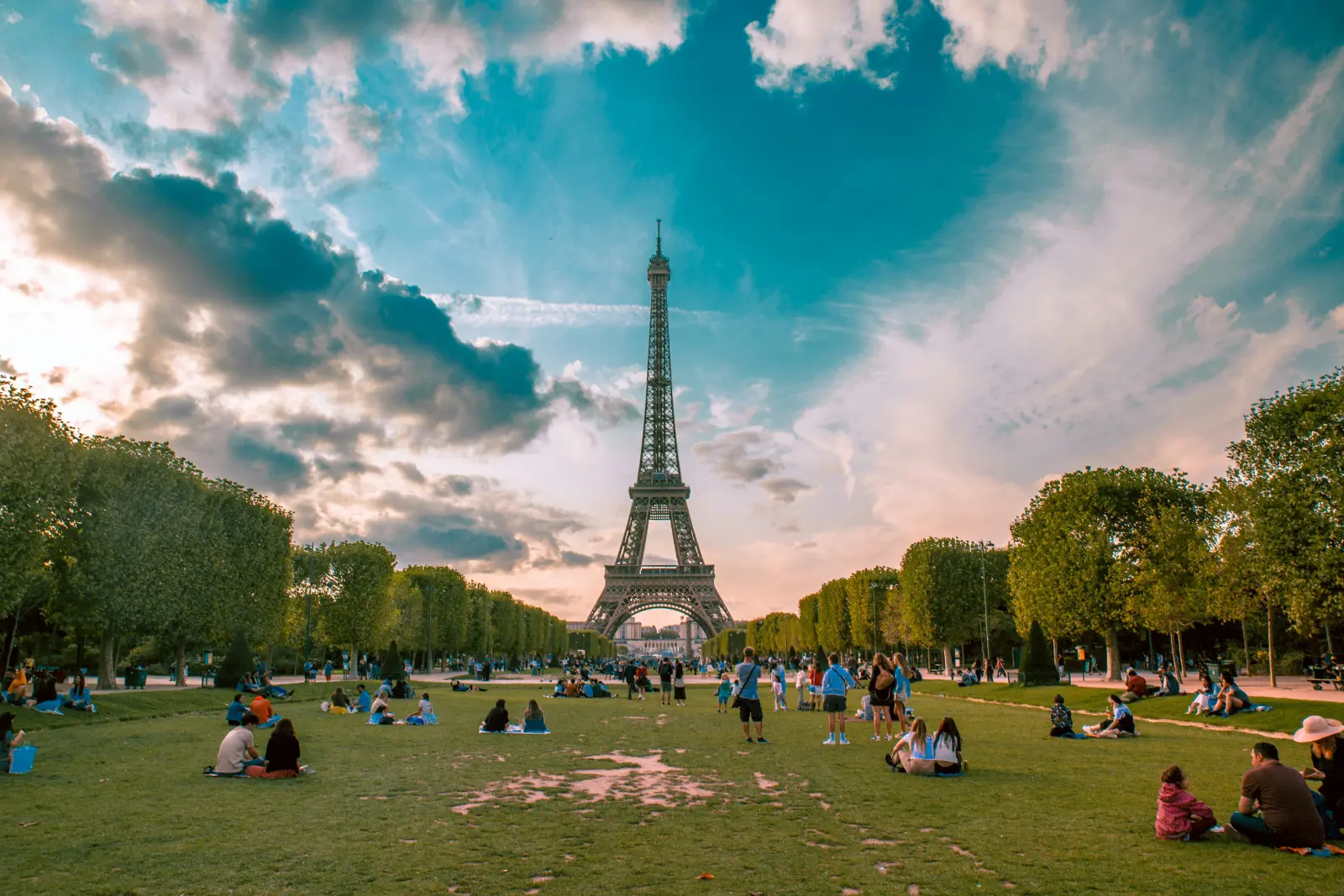
The Eiffel Tower was built for the 1889 Exposition Universelle (World’s Fair) to celebrate the 100th anniversary of the French Revolution. At the time, it was the tallest man-made structure in the world—a title it held for over 40 years.
Despite its technical brilliance, the tower was initially controversial. Many Parisian artists and intellectuals criticized it as an eyesore, believing the iron structure clashed with the city’s classical architecture. Ironically, the very monument once despised by critics eventually became the defining image of Paris.
Over time, the Eiffel Tower proved its value beyond aesthetics. It played a crucial role in radio transmissions, military communications, and scientific experiments, ensuring its preservation long after its original 20-year permit was set to expire.
Architecture & Design
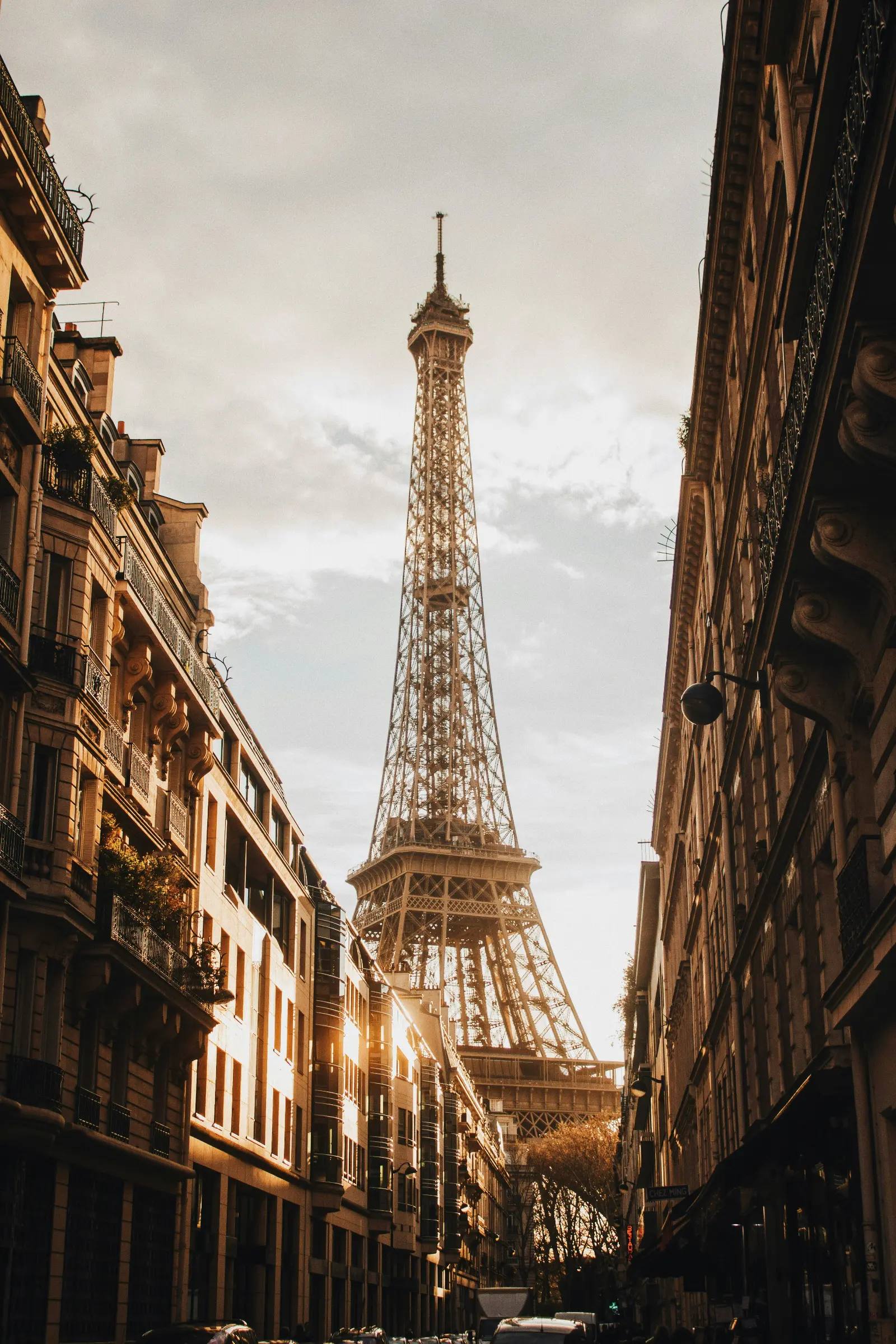
The Eiffel Tower is a masterpiece of 19th-century engineering. Constructed from over 18,000 iron pieces and held together by 2.5 million rivets, the structure was designed to withstand wind pressure while remaining visually light and elegant.
Its open lattice design allows air to pass through, reducing stress during storms. Today, the tower is repainted every seven years in its signature “Eiffel Tower Brown” to protect it from rust and weathering.
At night, the tower transforms into a beacon of light. Every evening after sunset, it sparkles for five minutes at the top of each hour, creating one of the most magical sights in Paris.
What to Expect When Visiting
Visiting the Eiffel Tower is a well-organized yet lively experience. Security screening is mandatory, and lines are common—especially during peak seasons. Once inside, visitors can explore the tower’s platforms via elevators or stairs, each offering a slightly different perspective of the city.
The atmosphere changes throughout the day. Mornings feel calm and airy, afternoons are energetic and bustling, while evenings are undeniably romantic as Paris lights up below.
Eiffel Tower Levels Explained
First Floor
The first level sits 57 meters above ground and is surprisingly spacious. Highlights include:
- A glass floor for a thrilling look straight down
- Educational exhibits about the tower’s history
- Madame Brasserie restaurant and souvenir shops
This level is ideal for visitors who want the Eiffel Tower experience without extreme heights.
Second Floor
Often considered the best viewing level, the second floor offers:
- Clear, unobstructed views of Paris landmarks
- Excellent photography opportunities
- Access to Le Jules Verne, the tower’s Michelin-starred restaurant
Many visitors find this level offers the perfect balance between height and detail.
Summit
The summit is the highest public observation point in Paris. From here, you can:
- Enjoy sweeping views across the entire city
- Visit a replica of Gustave Eiffel’s office
- Sip champagne at the summit bar
On clear days, visibility can stretch up to 70 kilometers.
Best Views from the Eiffel Tower
Each level provides a different perspective. Lower levels allow you to spot individual streets and landmarks, while the summit offers a dramatic bird’s-eye view of Paris’s layout. Sunset visits are especially popular, allowing you to experience daylight, golden hour, and nighttime illumination in one visit.
Dining at the Eiffel Tower
Dining inside the Eiffel Tower is a memorable experience:
- Madame Brasserie (1st floor): Refined French cuisine in a relaxed setting
- Le Jules Verne (2nd floor): Fine dining with panoramic views and impeccable service
- Champagne Bar (Summit): A celebratory drink at the top of Paris
Reservations are strongly recommended, especially for dinner.
Best Time to Visit the Eiffel Tower
The best months to visit are April–June and September–October, when weather is pleasant and crowds are manageable. Early mornings and late evenings offer the shortest lines and best atmosphere. Weekdays are generally quieter than weekends.
Tickets & Entry Options
Tickets vary depending on access level and transport method:
- Stairs tickets: Budget-friendly, up to the second floor
- Elevator tickets: Faster access, ideal for most visitors
- Summit tickets: Must be booked in advance during busy seasons
Skip-the-line tickets can save significant time during peak months.
How to Get to the Eiffel Tower
The Eiffel Tower is easily accessible by public transit:
- Metro: Bir-Hakeim (Line 6), Trocadéro (Lines 6 & 9)
- RER: Champ de Mars–Tour Eiffel
- Bus: Several routes stop nearby
The surrounding area is flat and walkable, making it stroller- and wheelchair-friendly.
Photography Tips
Some of the best photo spots include:
- Trocadéro Gardens for classic wide-angle shots
- Champ de Mars for picnic-style photos
- Seine River bridges for romantic compositions
Night photography works best with a tripod and early arrival to secure a good spot.
Things to Do Near the Eiffel Tower
The area around the tower offers plenty to explore:
- Picnic on the Champ de Mars
- Take a Seine River cruise
- Walk through the Trocadéro Gardens
- Visit nearby museums and cafés
Eiffel Tower for Families & Couples
Families appreciate the educational exhibits and wide platforms, while couples are drawn to sunset visits, fine dining, and evening sparkle shows. The Eiffel Tower is also one of the most popular proposal spots in the world.
Fun Facts & Lesser-Known Details
- The tower grows about 15 cm taller in summer due to heat expansion
- It is repainted using 60 tons of paint every cycle
- The sparkle lights are copyrighted and not allowed for commercial nighttime photography
Is the Eiffel Tower Worth Visiting?
Absolutely. While Paris has many viewpoints, none carry the same emotional and historical weight as the Eiffel Tower. Whether you go all the way to the summit or simply admire it from below, it remains a defining Paris experience.
Practical Tips for First-Time Visitors
- Book tickets in advance
- Arrive early or late to avoid crowds
- Dress for wind at higher levels
- Allow extra time for security checks
Conclusion
The Eiffel Tower is more than just a landmark—it’s a celebration of Paris’s past, present, and future. From its groundbreaking design to its unmatched views, visiting the Eiffel Tower is an essential part of any Paris itinerary. Whether it’s your first visit or your fifth, the magic never fades.
Enjoy your new favourite stay
Discover how you can save on your next stay with Price Drop Protection