Meiji Jingu
Overview
Nestled between the vibrant energy of Shibuya and the youth culture hub of Harajuku, Meiji Jingu stands as one of Tokyo’s most treasured spiritual sanctuaries. This iconic Shinto shrine, dedicated to Emperor Meiji and Empress Shoken, attracts millions of visitors each year—not just for its cultural significance, but for the sense of calm it offers within one of the busiest cities in the world.
Meiji Jingu is more than an attraction; it’s a living connection to Japanese tradition, a tranquil forest retreat, and one of the most meaningful places to experience the rituals and atmosphere of Shinto. Whether you’re seeking quiet reflection, cultural insight, or a break from Tokyo’s urban intensity, this shrine offers a captivating escape.
A Shrine Rooted in History and Devotion
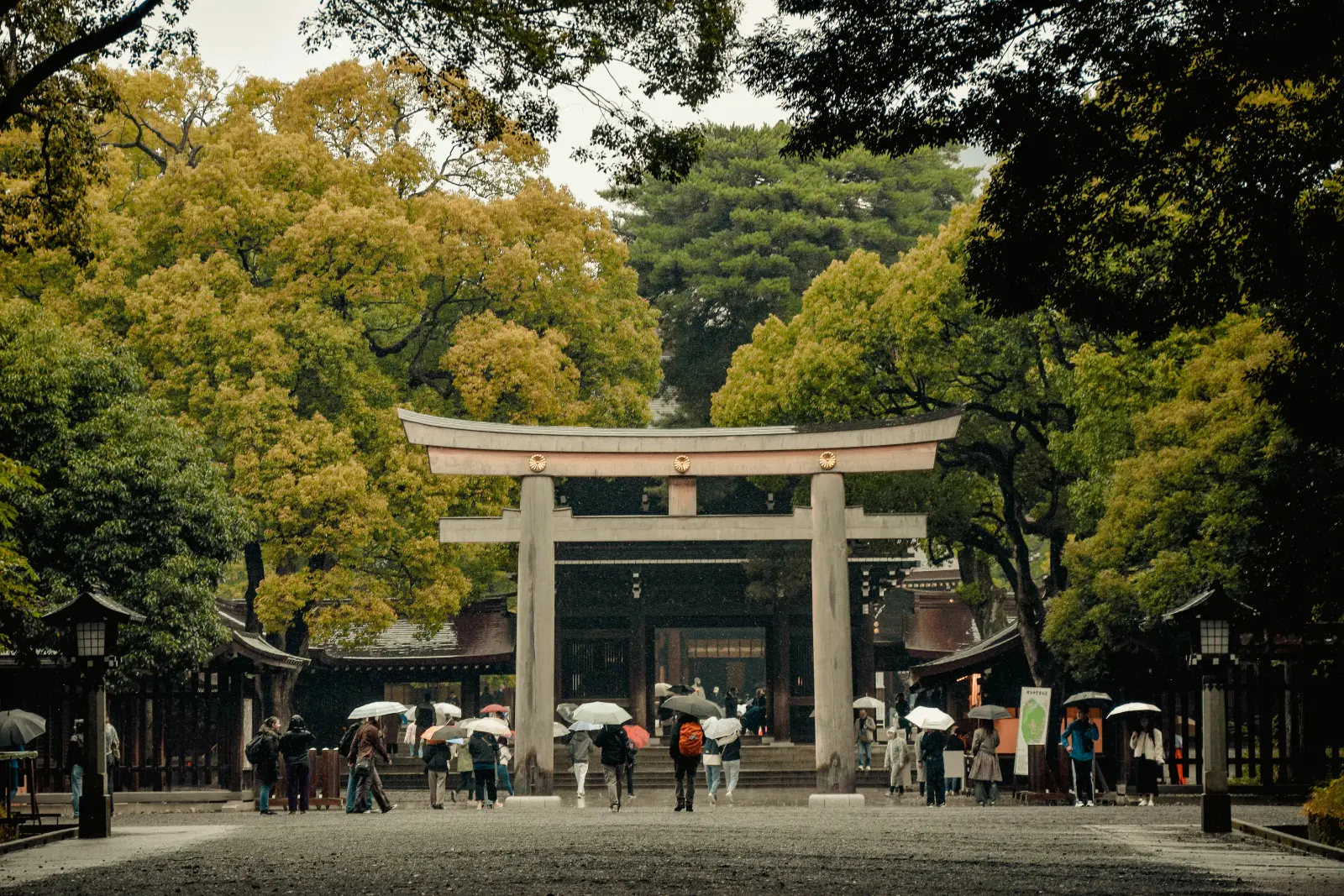
Constructed in 1920, Meiji Jingu was built to honor the lives and legacy of Emperor Meiji and Empress Shoken, two central figures in Japan’s transformation during the Meiji Restoration. Their era marked the country’s rapid shift toward modernization—politically, culturally, and socially.
The shrine was intentionally placed within a man-made forest built from more than 100,000 donated trees from across Japan and abroad. This act symbolized unity and national devotion. Today, the forest has grown into a genuine ecosystem that feels ancient, serene, and deeply spiritual.
Although the original shrine buildings were destroyed in World War II, they were faithfully reconstructed using traditional styles and cypress wood, preserving the authenticity and architectural detail that visitors see today.
Entering a Sacred World Through Towering Torii Gates
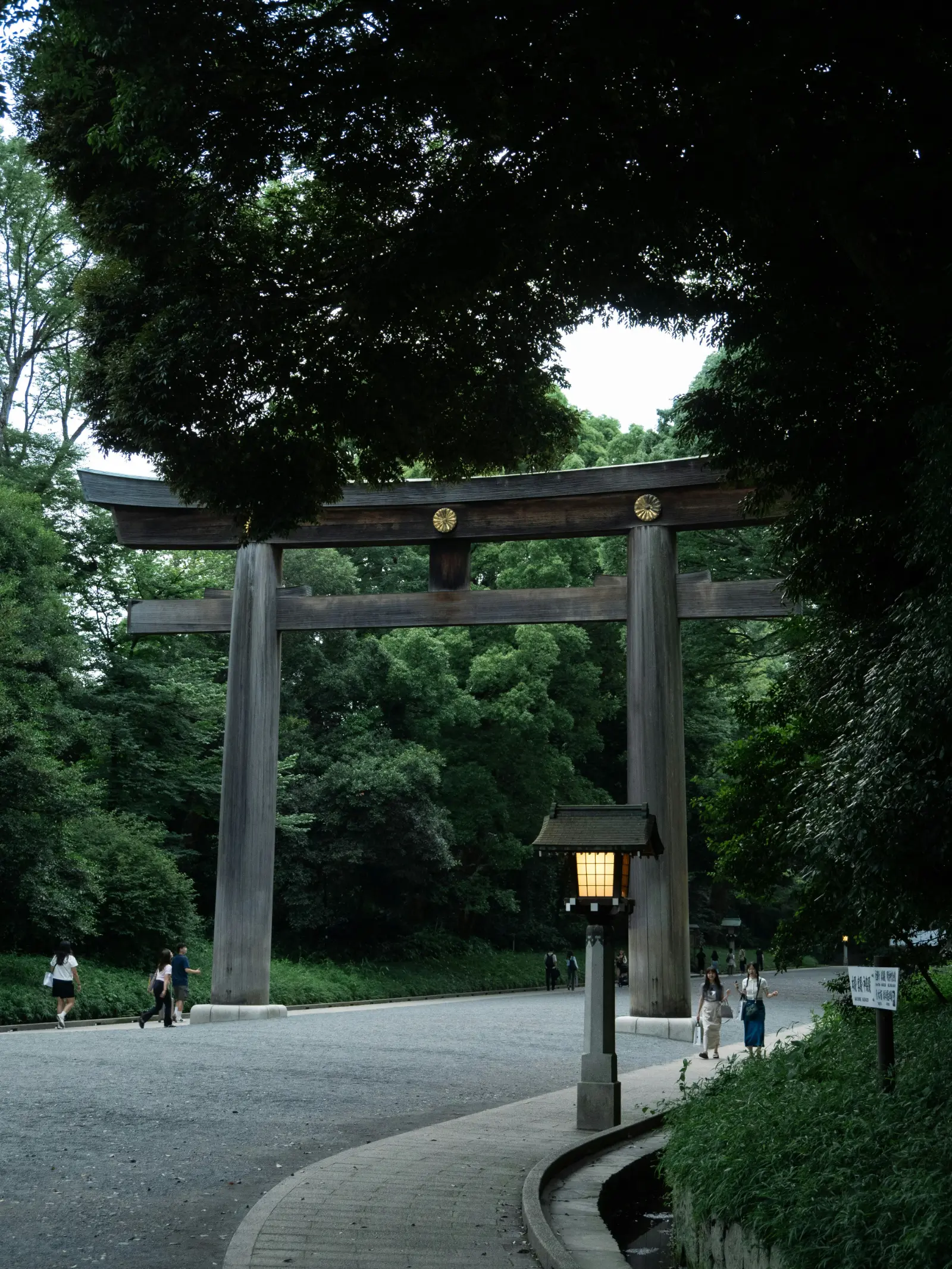
The transition into Meiji Jingu begins at one of its majestic wooden torii gates, each among the largest in Japan. Passing underneath signifies entering sacred space—a shift from concrete and neon to gravel paths and towering cedar trees.
As soon as you step inside, the change in atmosphere is unmistakable. The forest muffles city noise, sunlight filters through dense foliage, and the path ahead curves gently into the sanctuary. This slow, calming approach is designed intentionally, reminding visitors to leave behind the rush of modern life and arrive with a quiet mind.
A Forest Walk That Feels Worlds Away
One of the most beloved aspects of Meiji Jingu is its peaceful forested approach. The walk to the shrine usually takes about 10–15 minutes, giving you time to appreciate the natural surroundings. Birds chirp overhead, gravel crunches beneath your feet, and the scent of cypress fills the air.
The trees—planted by volunteers from every prefecture—reflect Japan’s natural diversity, creating an environment that feels untouched despite being carefully cultivated. The walk itself becomes part of the spiritual experience, offering visitors a chance to slow down and reconnect with nature.
Along the paths, you’ll pass iconic displays such as:
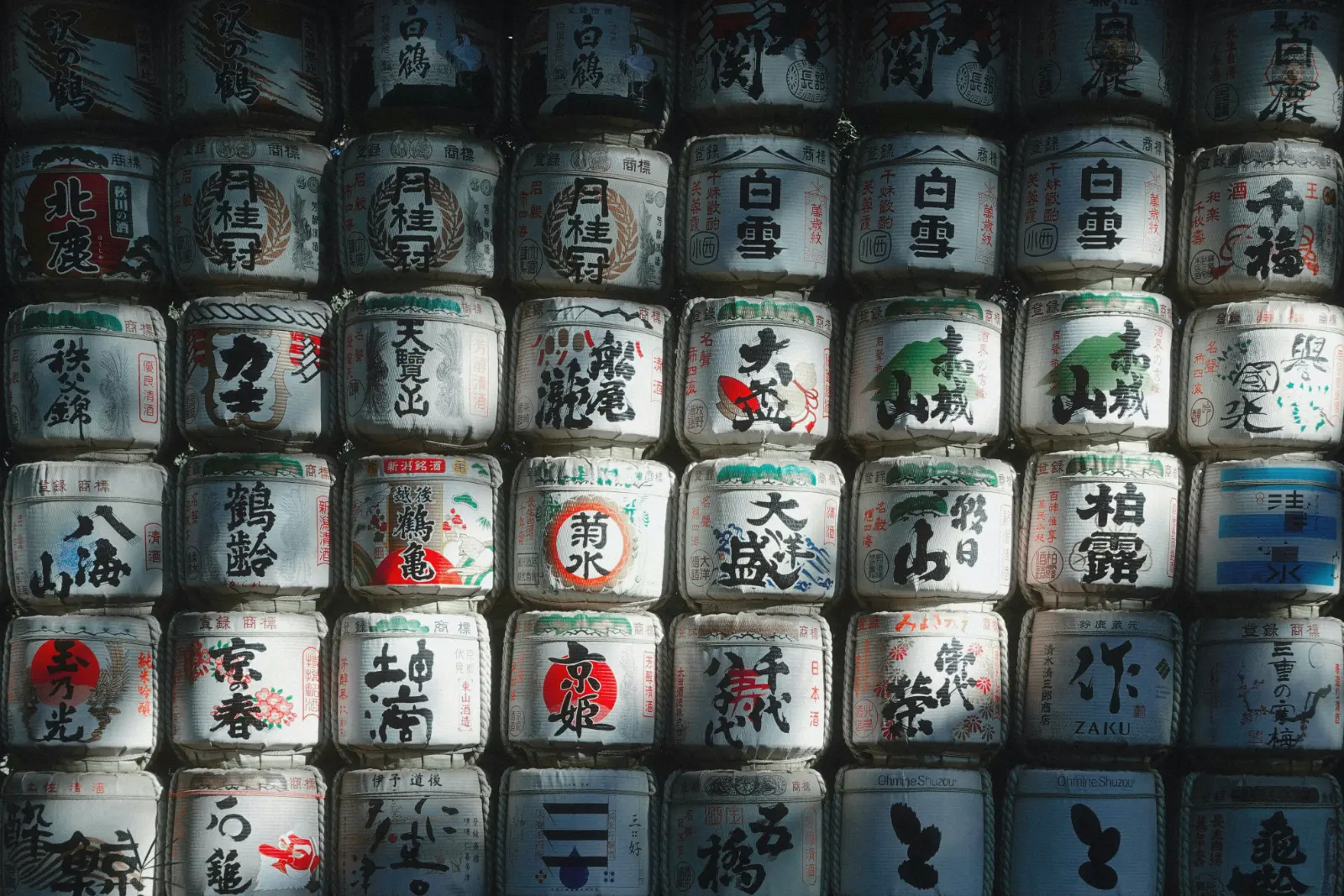
- Rows of sake barrels, donated by brewers across Japan
- Colorful wine barrels, symbolizing cultural exchange between Japan and the West
- Historic lanterns and signage, explaining the traditions of the shrine
Each element adds depth to the visit, blending tradition, symbolism, and history.
The Main Shrine Complex: A Place of Ritual and Reverence
At the heart of Meiji Jingu lies the main shrine complex, built with elegant simplicity and deep spiritual meaning. The cypress-wood structures, clean lines, and open courtyards embody traditional Shinto architecture—harmonious, natural, and understated.
Purification Fountain (Temizuya)
Before entering the main sanctuary, visitors wash their hands and rinse their mouth in a ritual known as temizu, symbolizing purification and respect. It’s a small moment, but a meaningful one, and easy to follow using the signs provided.
Prayer Hall and Courtyard
The main hall (Honden) is where worshippers offer prayers. Many visitors follow the Shinto ritual:
- Bow twice
- Clap twice
- Offer a silent prayer
- Bow once more
The courtyard surrounding the hall often hosts ceremonies, rituals, and processions. On weekends, it’s common to spot traditional Shinto weddings, complete with ceremonial robes, musicians, and beautifully choreographed steps. Witnessing one feels like stepping into a scene preserved for generations.
Participating in Shrine Traditions
Meiji Jingu provides several opportunities for visitors to engage with Shinto customs in a respectful and authentic way.
Ema (Wooden Wish Plaques)
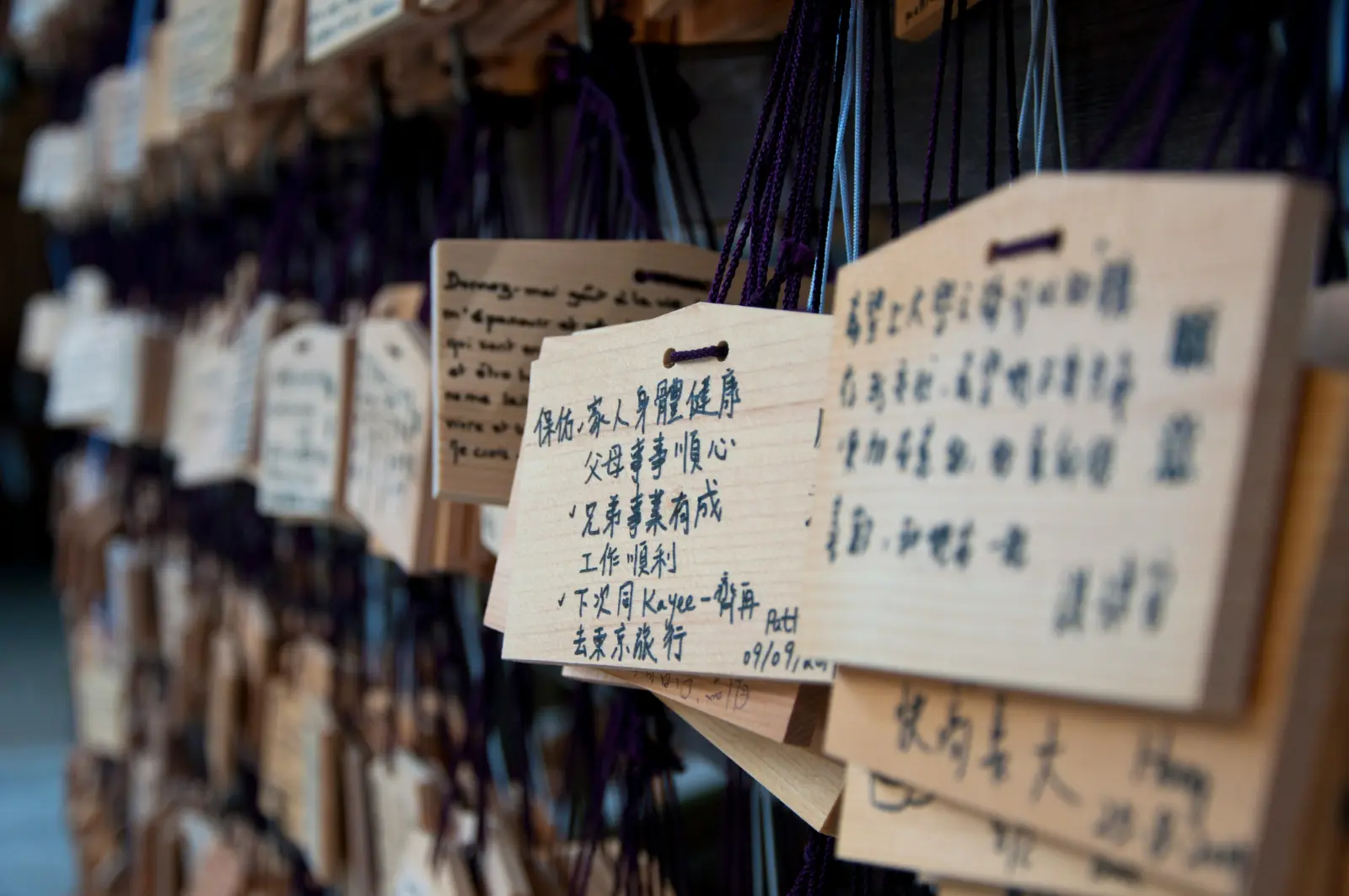
Write your wishes or prayers on small wooden plaques and hang them at the shrine. Visitors from all over the world leave heartfelt messages—hopes for love, health, success, or safe travels.
Omikuji (Fortunes)
Unlike typical fortunes, Meiji Jingu’s omikuji are based on classical poems by Emperor Meiji and Empress Shoken. They offer thoughtful guidance rather than a simple “good” or “bad” fortune, aligning with the shrine’s reflective atmosphere.
Offering Hall and Charms
The shrine sells traditional omamori (protective charms) for safe travel, good health, academic success, and more. They make meaningful keepsakes rooted in Japanese spirituality.
The Inner Garden: A Quiet Escape Within the Forest
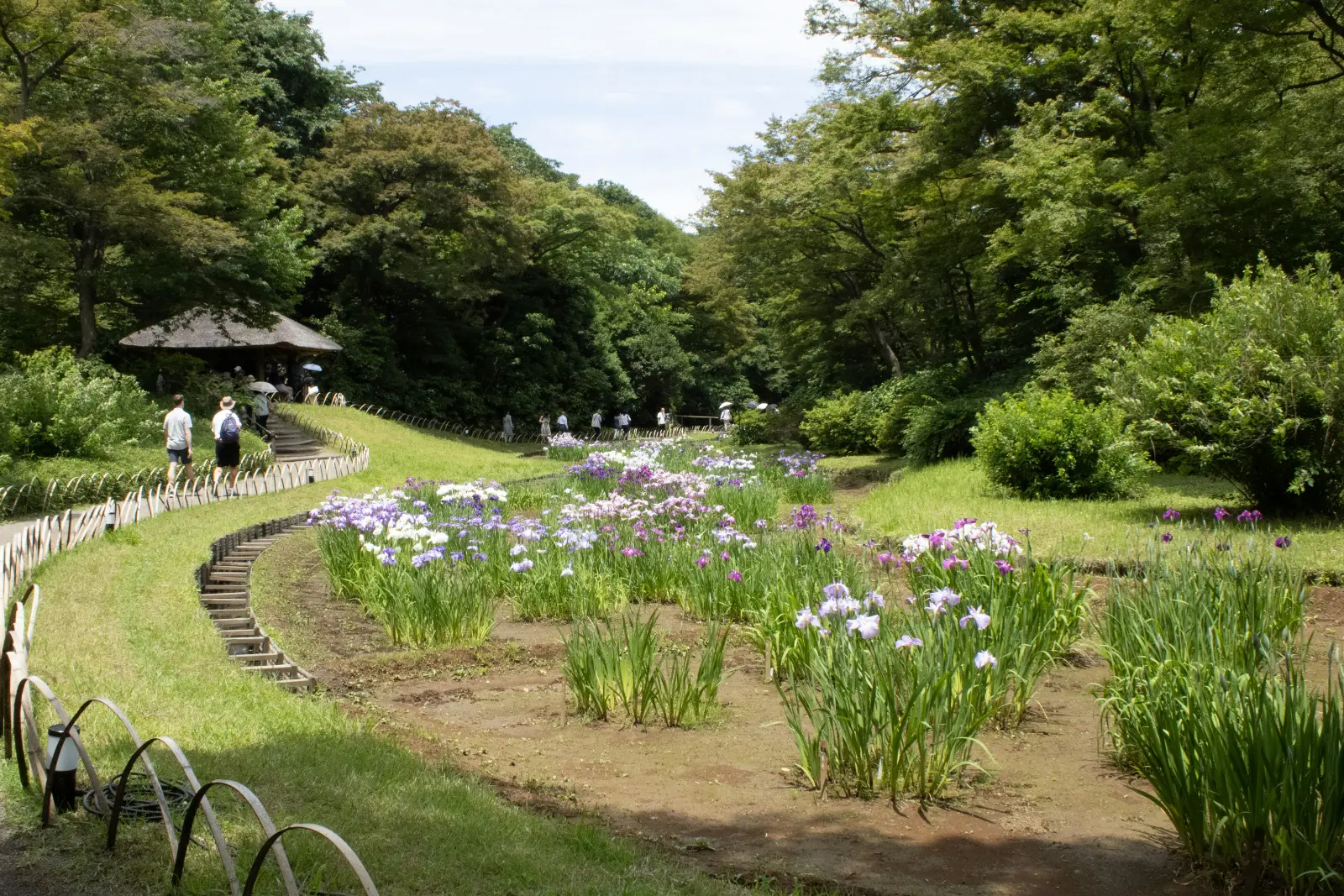
For an additional small fee, visitors can enter Meiji Jingu Gyoen, the shrine’s inner garden. This area predates the shrine and was once enjoyed by the imperial family.
Highlights include:
- The Iris Garden, which bursts into color each June
- A serene pond and teahouse, ideal for quiet reflection
- A natural spring (Kiyomasa’s Well), believed to be spiritually energizing
The garden offers a deeper sense of tranquillity, making it a worthwhile stop for those wanting a peaceful moment away from the main pathways.
Best Times to Visit Meiji Jingu
Morning (8:00–10:00 AM)
The most atmospheric time to visit. Soft sunlight filters through the trees, the paths are quieter, and the shrine feels especially peaceful.
Afternoon
Busier, but vibrant. You’re more likely to witness ceremonies, school groups, and cultural activities.
Weekends & Holidays
Expect crowds, especially during:
- Shichi-Go-San (children’s festival)
- New Year (Hatsumode), when millions visit the shrine
- Weddings, commonly held on Saturdays and Sundays
Despite the crowds, the atmosphere remains orderly and respectful.
How to Get There
Meiji Jingu sits in a prime location, making it easy to access from multiple stations:
- Harajuku Station (JR Yamanote Line) – South approach
- Meiji-jingumae Station (Chiyoda/Fukutoshin Lines) – Closest access
- Yoyogi Station (JR/Toei) – North entrance
- Sangubashi Station (Odakyu Line) – West entrance
From Shibuya Crossing, it’s about a 15–20 minute walk—ideal for combining major attractions in one outing.
Practical Tips for Visiting
- Respect sacred spaces: Some areas are for worshippers only. Signs will indicate where photography is prohibited.
- Stay on marked paths: The forest is protected and carefully maintained.
- Dress comfortably: The forest walk is long, so good footwear helps.
- Arrive early for photos: The torii gates and forest paths are popular photography spots.
- Bring a small donation: Offering coins at the shrine is traditional but optional.
Conclusion
Meiji Jingu embodies the contrasting beauty of Tokyo: a modern metropolis rooted in timeless tradition. It’s a place where locals come to pray, couples marry, families celebrate milestones, and travelers find a striking balance between nature and spirituality.
In a city defined by innovation, Meiji Jingu reminds visitors that Tokyo’s soul still lies in the quiet rhythm of its rituals, the whisper of its forests, and the enduring strength of its history.
A visit here isn’t just about seeing an attraction—it’s about experiencing Tokyo’s cultural heartbeat.
Enjoy your new favourite stay
Discover how you can save on your next stay with Price Drop Protection