A Complete Outdoor Adventure Guide to Canada’s West Coast
Overview
Vancouver is one of those rare cities where you can wander through a lush rainforest in the morning, kayak along a calm bay at noon, and finish the day watching the sun drop behind the mountains. Wrapped between the Pacific Ocean, the Coastal Mountains, and temperate rainforest, this West Coast gem is a dream destination for anyone who feels most at home outdoors. Whether you love hiking alpine trails, exploring seaside parks, or spotting wildlife, Vancouver is a paradise designed for nature lovers.
This long-form guide walks you through the city’s best nature attractions, hiking trails, beaches, nearby mountains, and day trips—plus practical tips on when to visit, what to pack, how to get around, and where to stay for maximum outdoor access.
Vancouver’s Natural Landscape
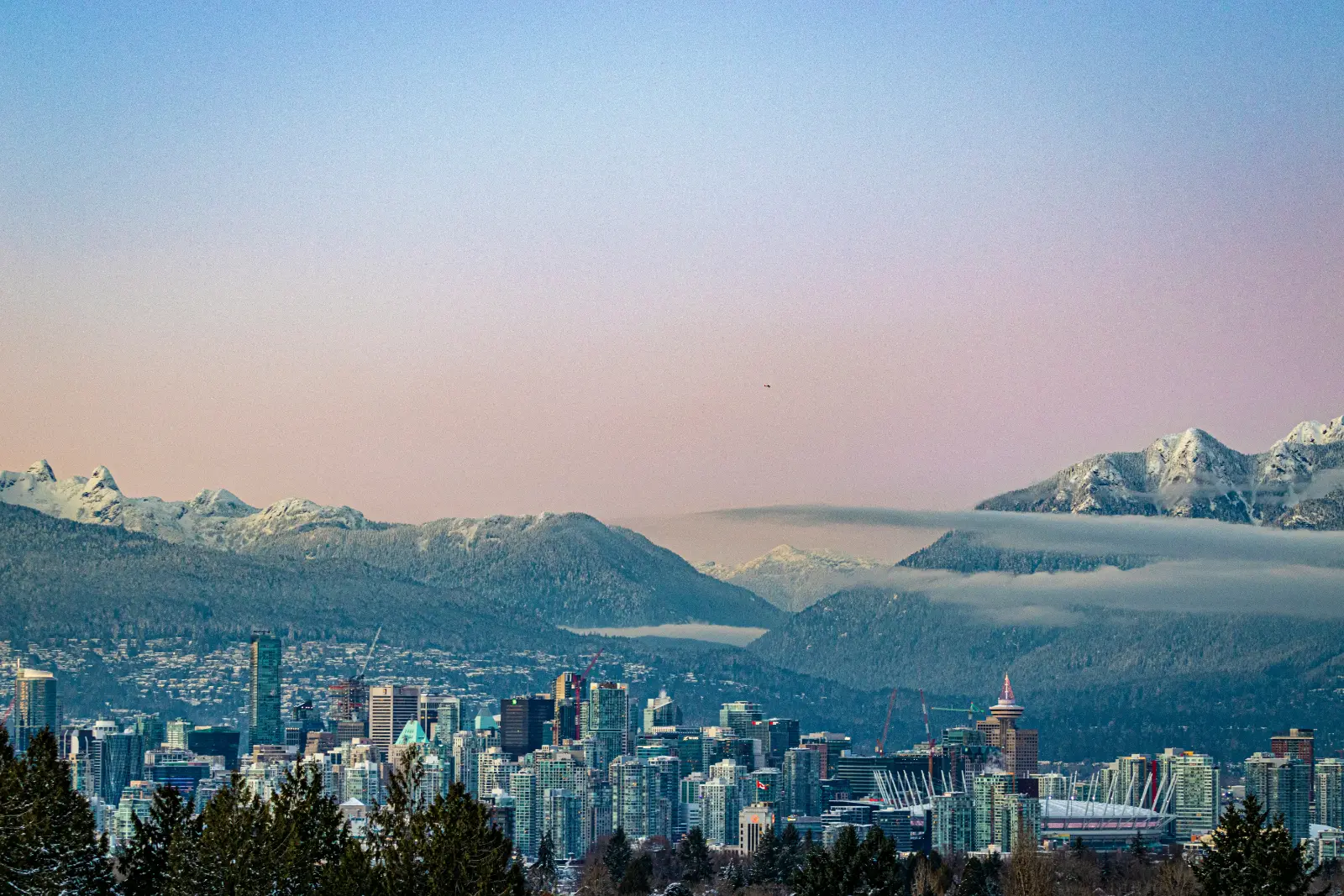
Vancouver’s geography is what makes it magical. The city sits on a coastal peninsula surrounded by saltwater inlets, forested headlands, and the towering North Shore Mountains. The climate is mild year-round thanks to the Pacific Ocean, creating a lush rainforest ecosystem with cedar, hemlock, Douglas fir, moss, ferns, and wild salmon.
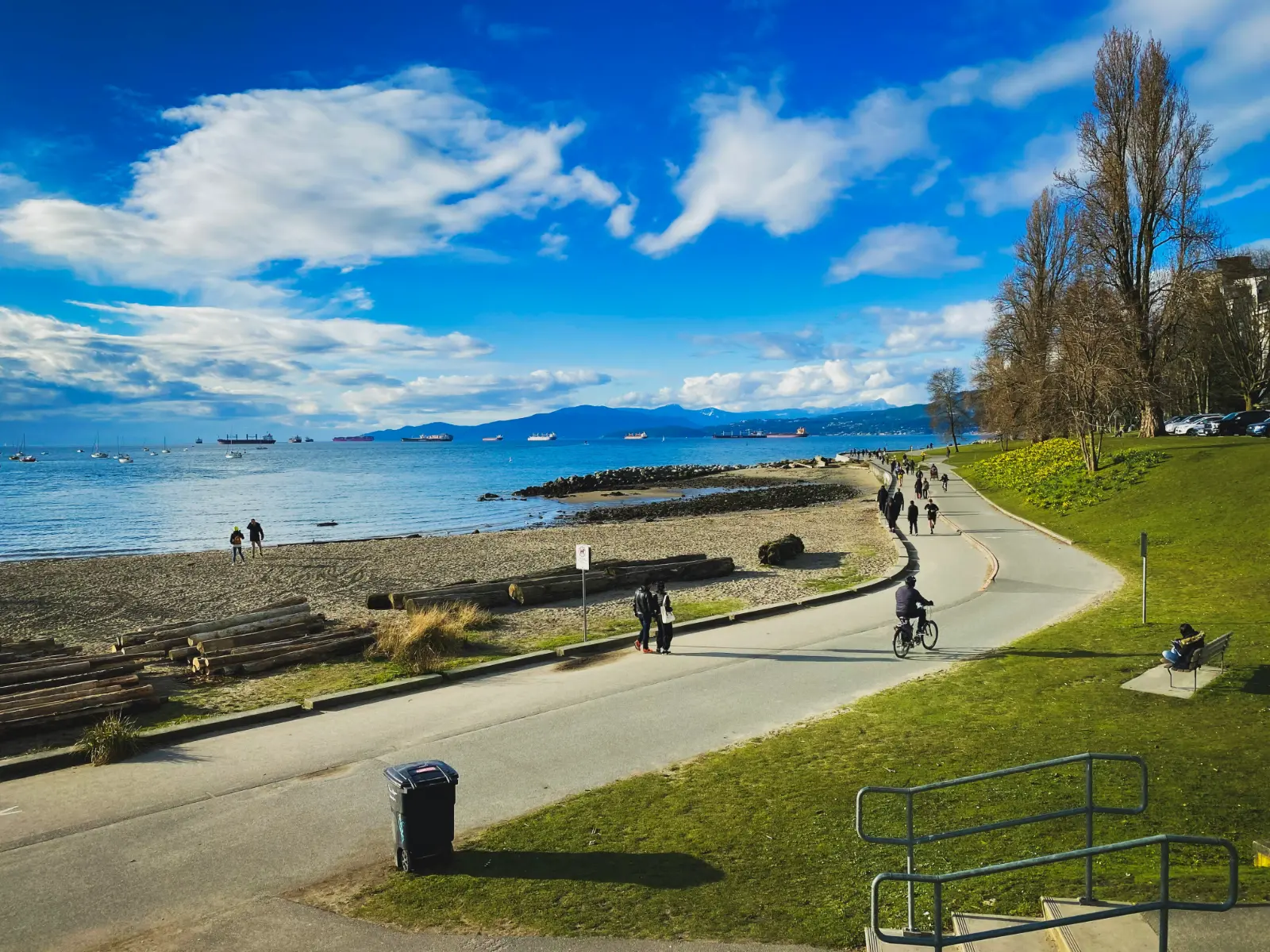
Nature is woven into daily life here—bike paths hug the shoreline, mountains sit ten minutes from downtown, and public parks feel like gateways to the wilderness. No matter the season, there’s always something to explore outdoors, from spring flowers to summer beaches, fall foliage, and winter snowshoe trails.
Best Time to Visit for Outdoor Adventure
Spring (March–May) brings flowing waterfalls, fresh greenery, and the first cherry blossoms of the season. Trails begin to open at lower elevations, and it’s the ideal time for forest walks and photography.
Summer (June–August) is peak outdoor season. Long daylight hours, dry weather, and clear skies make this the best time for alpine hiking, kayaking, paddleboarding, and camping.
Fall (September–November) offers golden forests, quieter parks, and cooler temperatures that make hikes more comfortable. It’s also the season for salmon runs and wildlife viewing.
Winter (December–February) transforms the mountains into snowy playgrounds. Skiing, snowboarding, snowshoeing, and cozy après spots dominate the season. Even in winter, the coastal trails and parks remain green and accessible.
Getting Around Vancouver
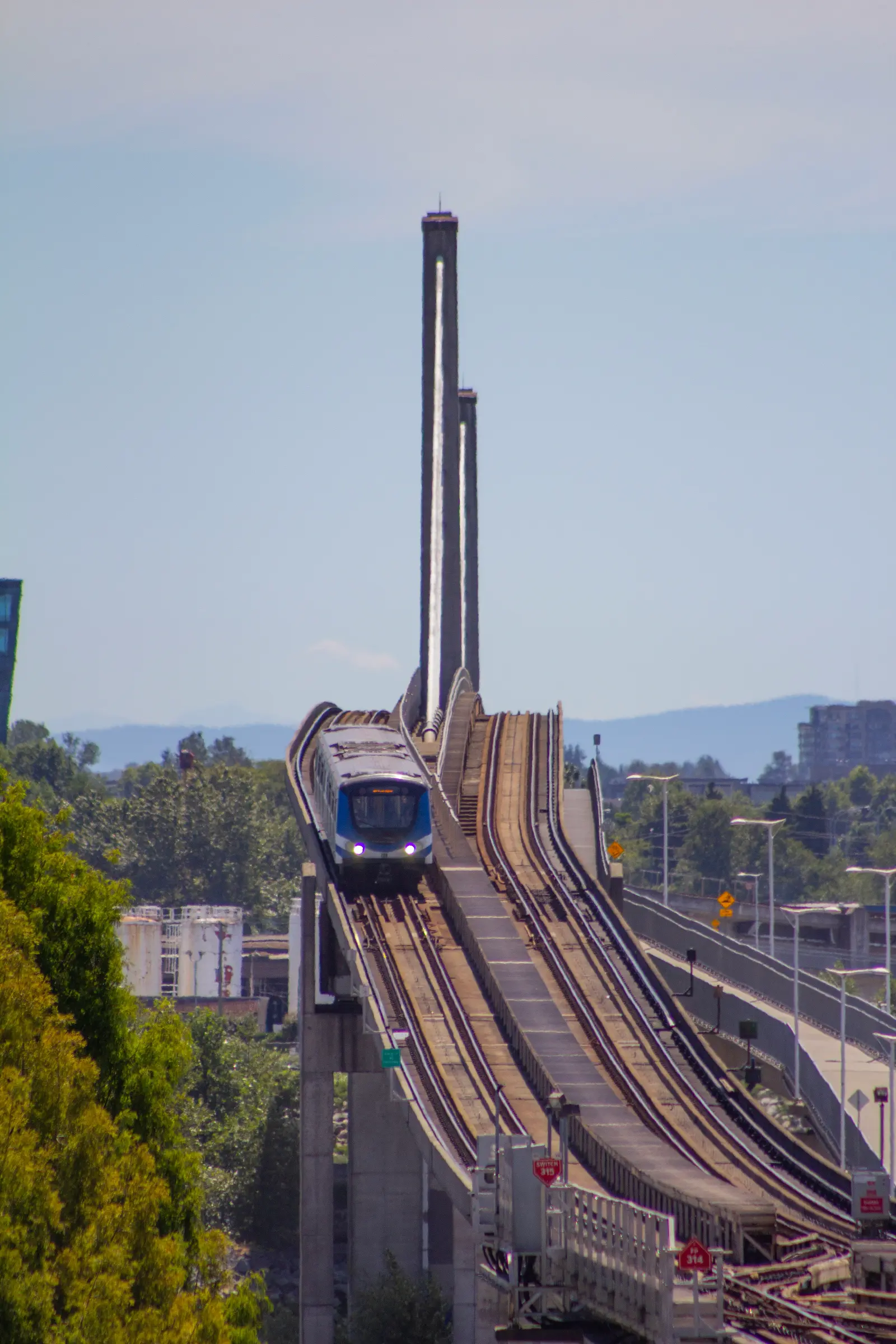
Vancouver’s transit system makes reaching nature surprisingly easy. The SkyTrain connects downtown to East Vancouver, Vancouver's west end, Burnaby, Richmond, Surrey, Coquitlam, New Westminster and the airport, while buses and the SeaBus carry you directly to the North Shore—home to the mountains and many of the city’s best hiking trails.
That said, a car is helpful for early-morning trailheads, remote beaches, and day trips to Squamish or Whistler. Cycling is also huge here—Vancouver’s seawall and bike routes let you explore entire districts along traffic-free paths, and rentals are widely available.
Parking at popular nature spots (especially in summer) can be limited, so early starts are essential.
Top Nature Attractions & Outdoor Experiences
Stanley Park & The Seawall
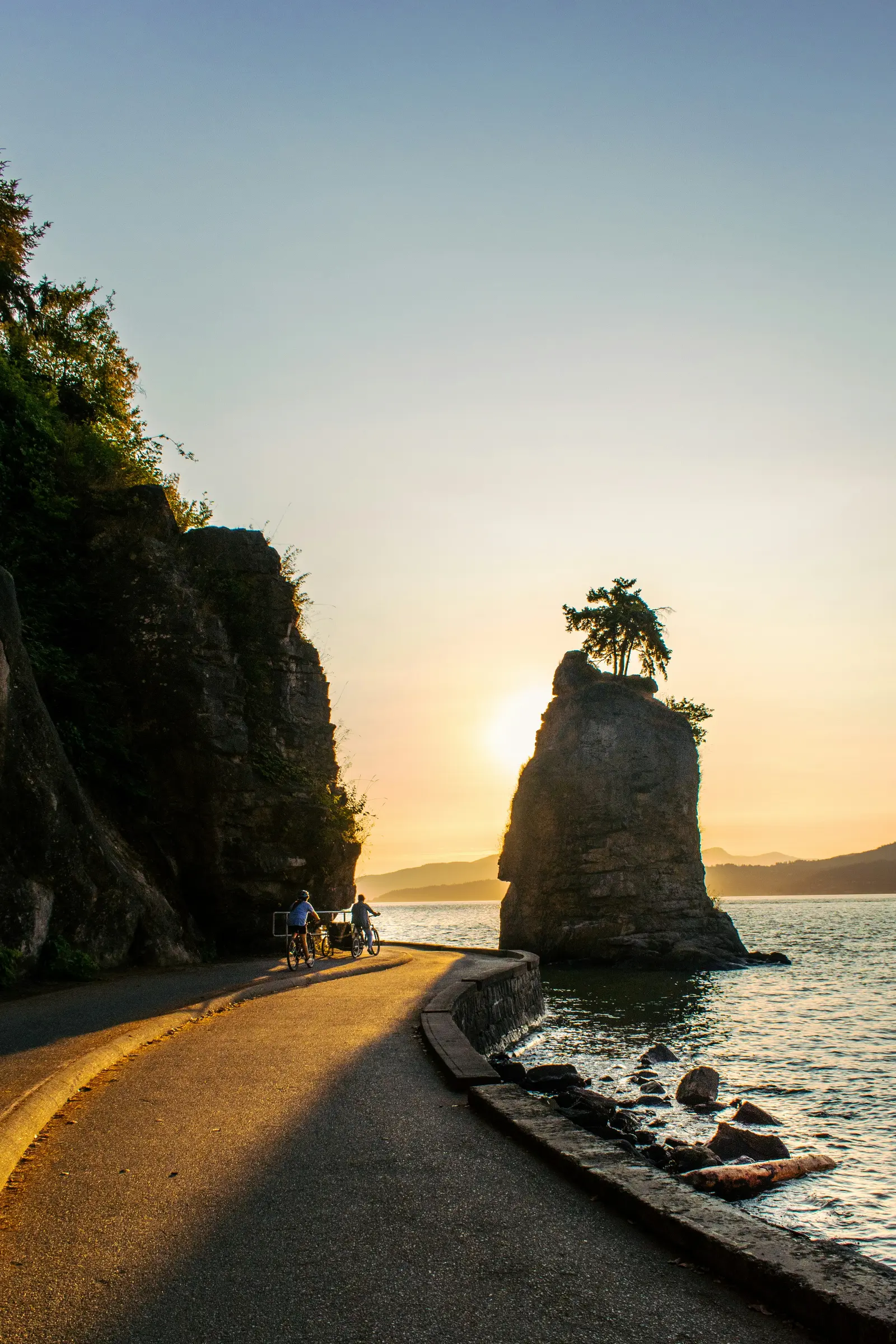
Considered one of the world’s greatest urban parks, Stanley Park feels like a rainforest sitting on the edge of the city. The 10 km Seawall wraps around the waterfront, offering stunning views of mountains, bridges, and beaches. Inside the park, old-growth pockets, hidden lagoons, heron colonies, and shaded trails make it a peaceful escape. Whether walking, cycling, or rollerblading, the seawall is a Vancouver classic.
Grouse Mountain
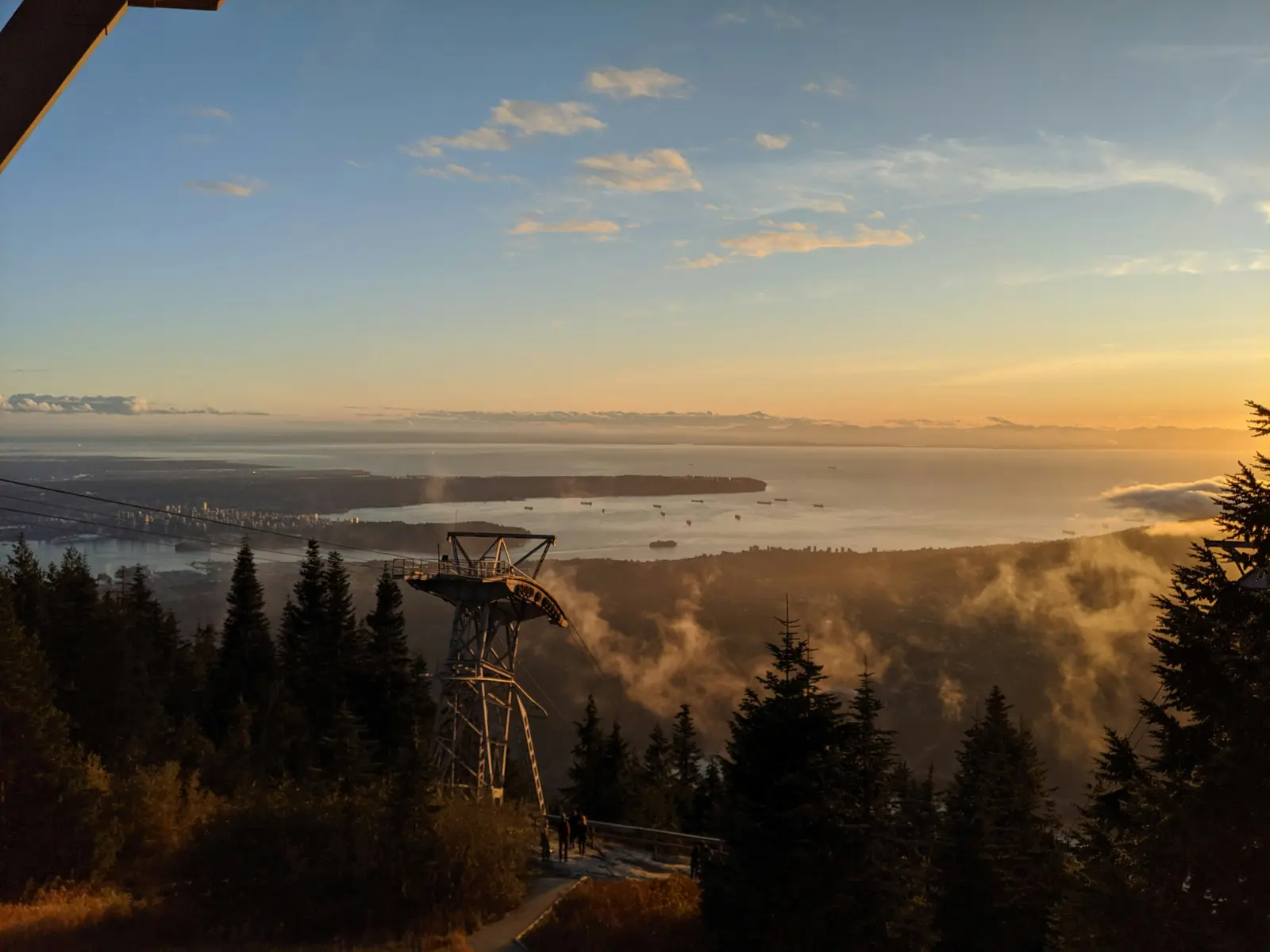
Nicknamed the “Peak of Vancouver,” Grouse Mountain is accessible by the scenic Skyride gondola or the famously steep Grouse Grind hike. In summer, you can explore alpine trails and visit the resident grizzly bears at the wildlife refuge. In winter, it transforms into a snowy escape for skiing, snowshoeing, and night-skiing under the city lights.
Capilano Suspension Bridge Park
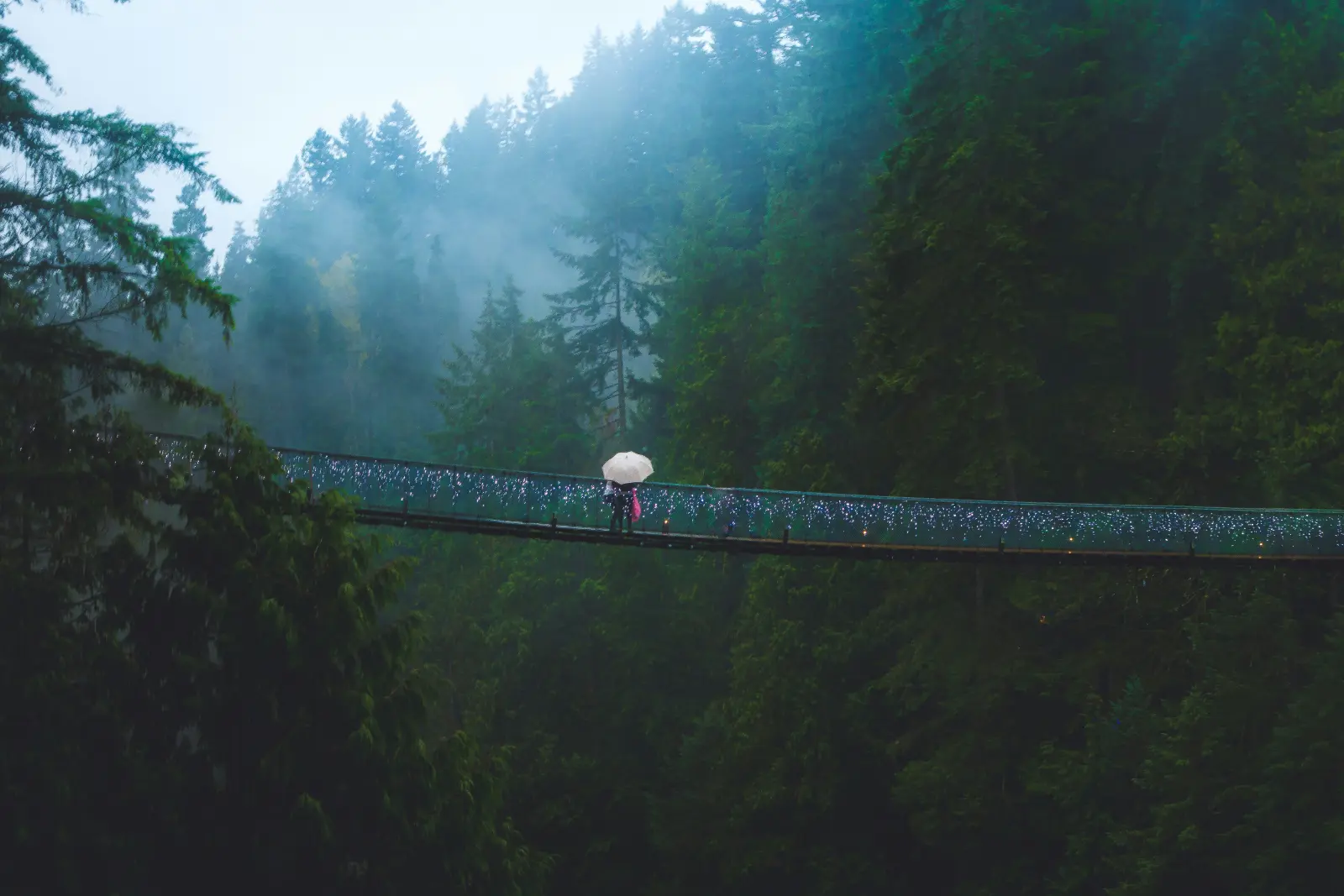
Capilano is one of Vancouver’s most popular nature attractions thanks to its towering suspension bridge, rainforest canopy walkways, and dramatic cliffside walkway. It’s a paid attraction, but the experience is fully immersive and educational.
For a free alternative, Lynn Canyon Park offers its own suspension bridge and a network of rugged forest trails.
Lynn Canyon Park
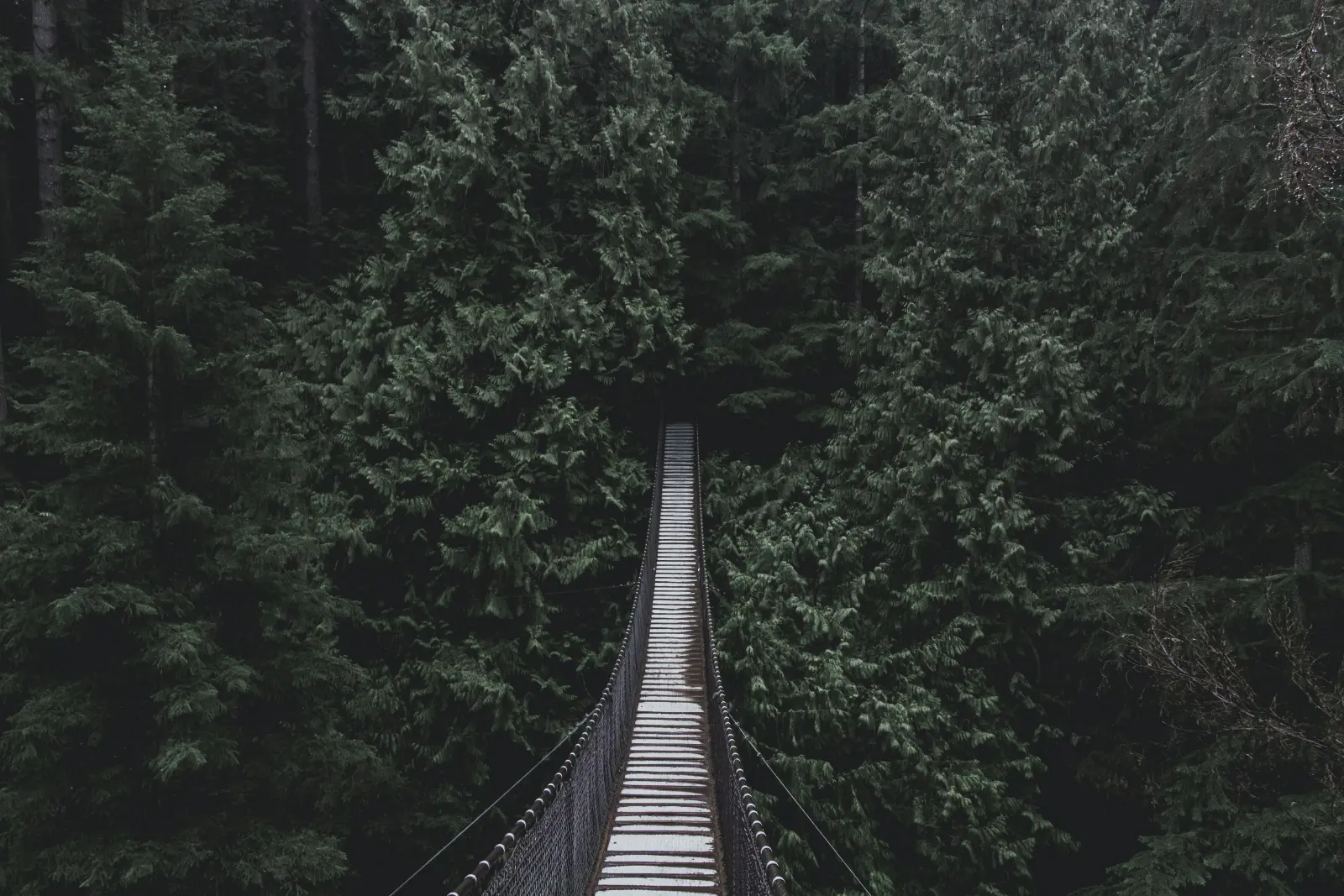
A favourite among locals, Lynn Canyon features crystal-clear pools, a canyon waterfall, and moss-covered trails. The 30-Foot Pool is a popular summer spot, though water conditions can be dangerous—caution is essential.
Deep Cove & Quarry Rock

This charming seaside neighbourhood is the starting point for the popular Quarry Rock trail—a short hike with views of the fjord. Kayaking and paddleboarding in the calm cove are some of the most relaxing ways to enjoy the area.
Pacific Spirit Regional Park
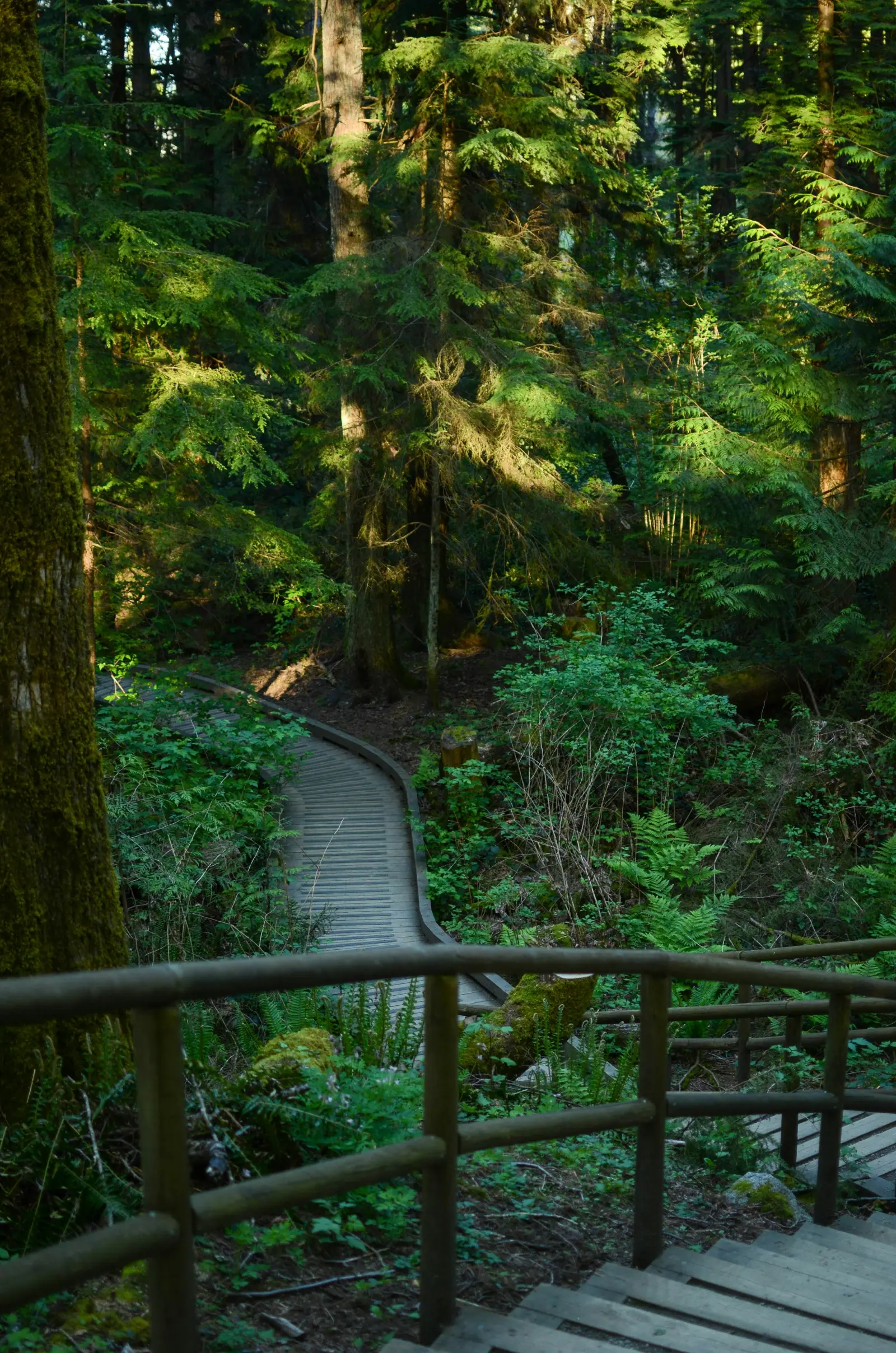
Located near UBC, Pacific Spirit is perfect for easy forest walks. Wide, peaceful trails meander through cedar groves, making it ideal for those seeking a quieter alternative to the North Shore parks.
Queen Elizabeth Park
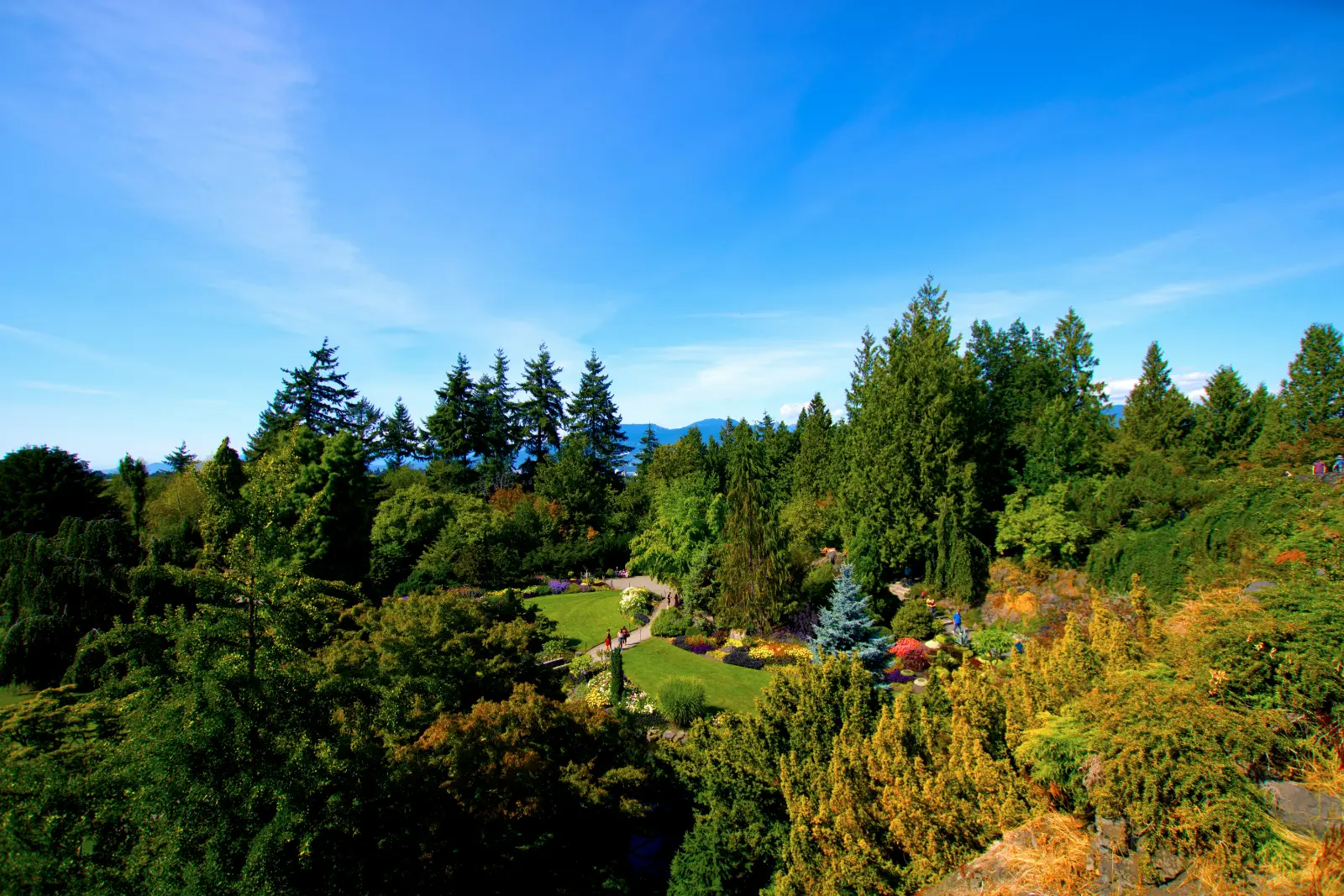
Perched on Vancouver’s highest point, this park offers sweeping city and mountain views. The gardens are meticulously maintained, and the nearby Bloedel Conservatory provides a tropical escape filled with exotic plants and free-flying birds.
The North Shore Mountains
Cypress Mountain
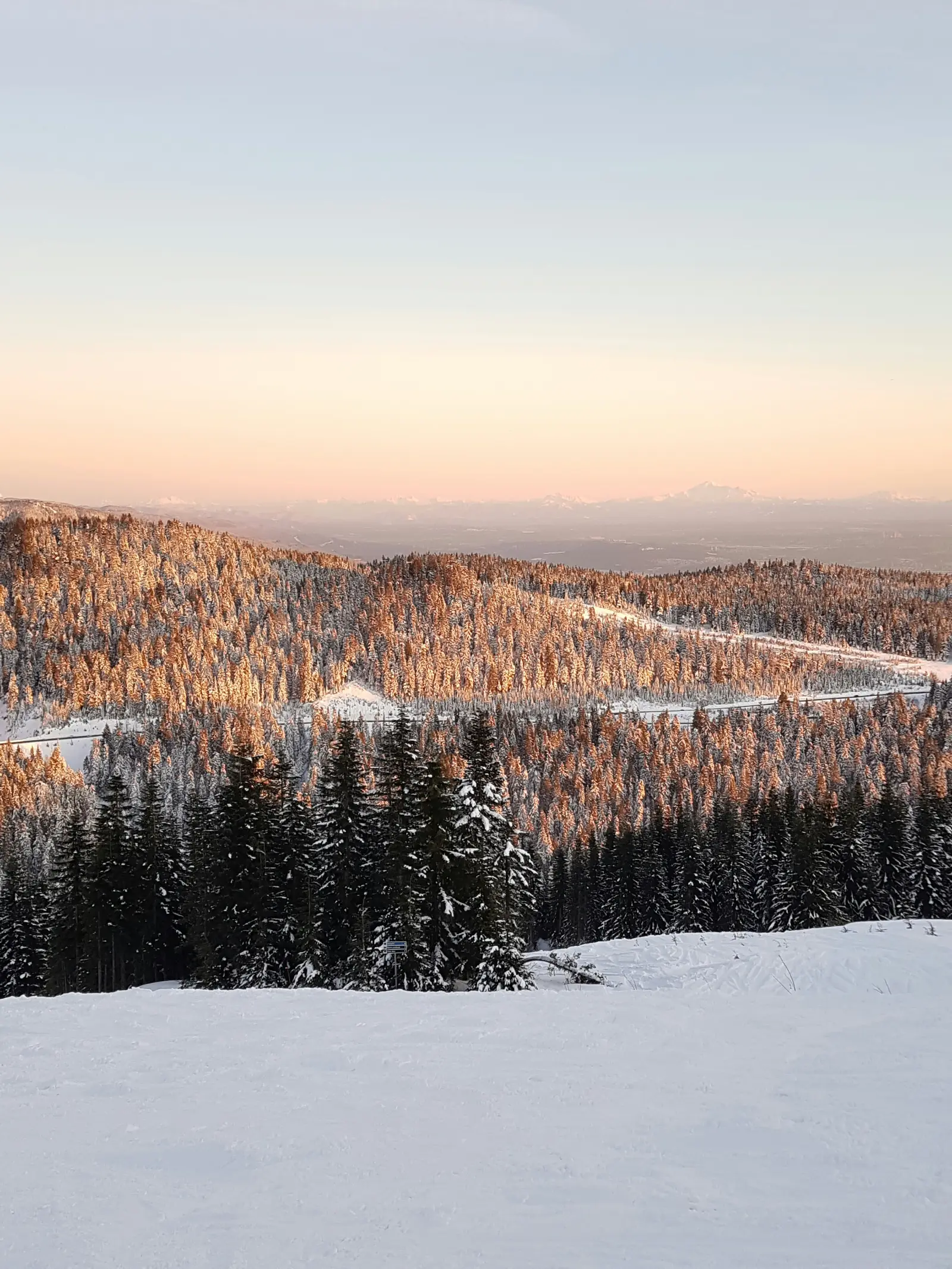
Cypress offers some of Vancouver’s best hiking, including the photogenic Eagle Bluffs, Bowen Lookout, and the Howe Sound Crest Trail. In winter, it offers excellent skiing and snowshoeing, with panoramic views stretching across the Strait of Georgia.
Mount Seymour
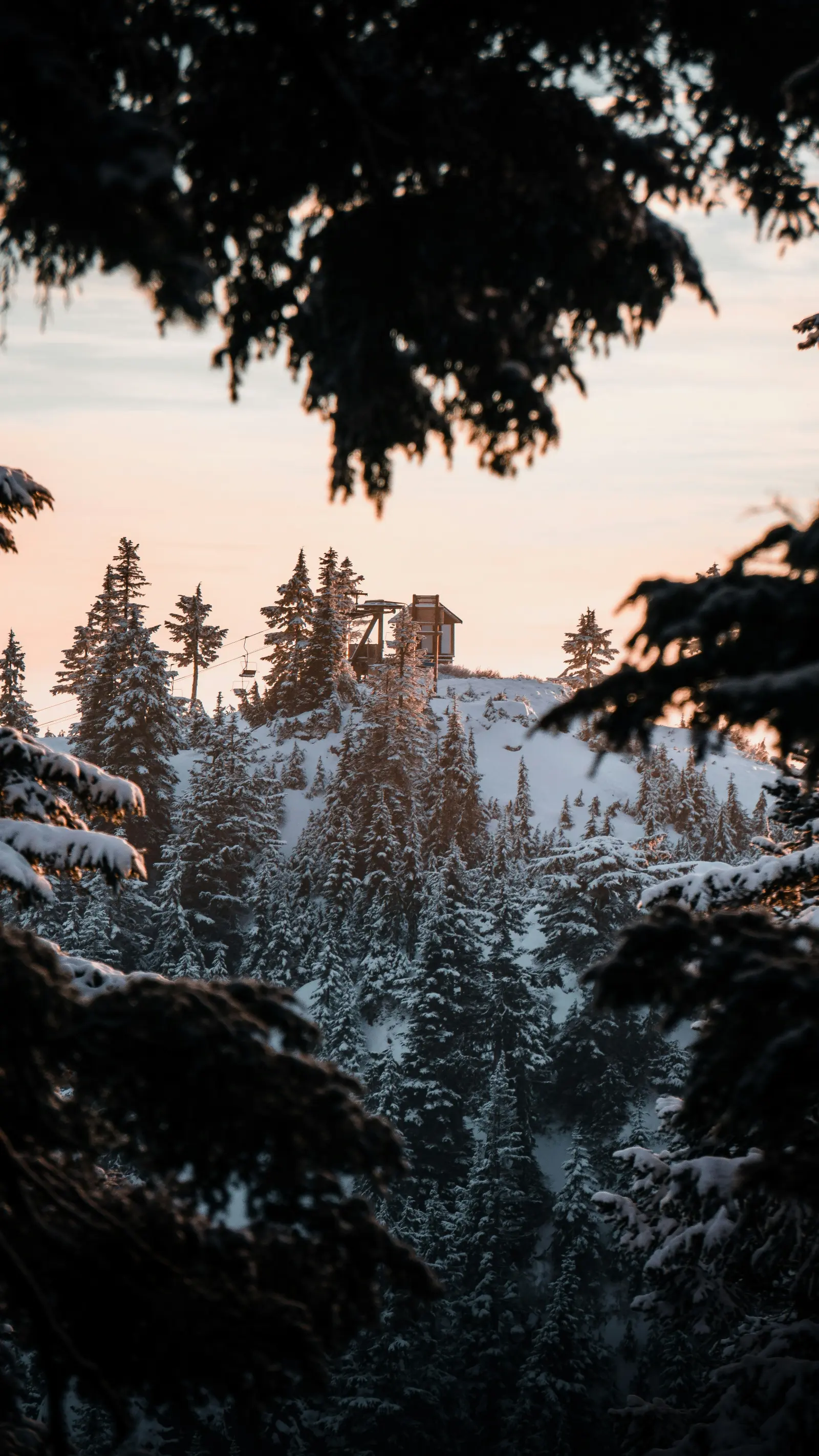
Seymour is known for accessible trails and stunning vistas. Dog Mountain is perfect for beginners, while more advanced hikers can tackle First Pump Peak. Winter brings deep powder fields for snowshoeing and backcountry exploration.
The Lions & Howe Sound Crest Trail
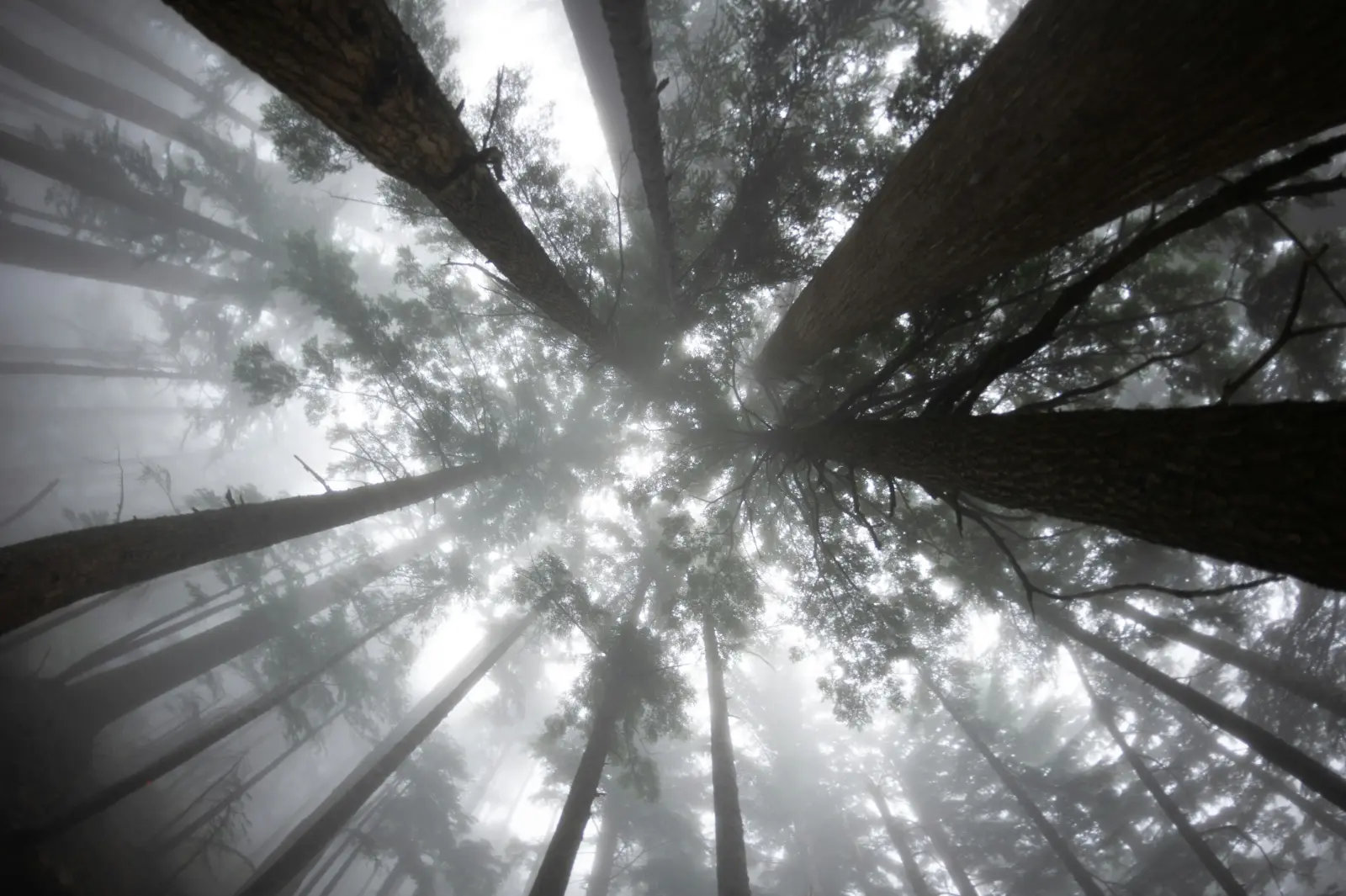
One of the region’s most iconic alpine routes, this challenging trail rewards hikers with unparalleled mountain scenery. It’s recommended only for experienced adventurers with proper gear.
Beaches, Coastlines & Marine Wildlife

Vancouver’s coastline is diverse—ranging from long sandy beaches to rocky coves and secluded forested shoreline.
Kitsilano Beach is the city’s social hub with warm summer vibes, volleyball courts, and mountain views.
Jericho Beach and Spanish Banks offer a calmer atmosphere with wide-open sandy stretches perfect for sunset strolls.
Wreck Beach, located near UBC, feels completely removed from city life and is ideal for nature lovers who want a remote, unspoiled beach experience.
For wildlife enthusiasts, Vancouver is home to seals, otters, bald eagles, herons, and seasonal salmon runs. Whale-watching tours run from downtown and nearby Steveston, with orcas, humpbacks, and gray whales commonly spotted from April to October.
Best Hikes Near Vancouver
Beginner
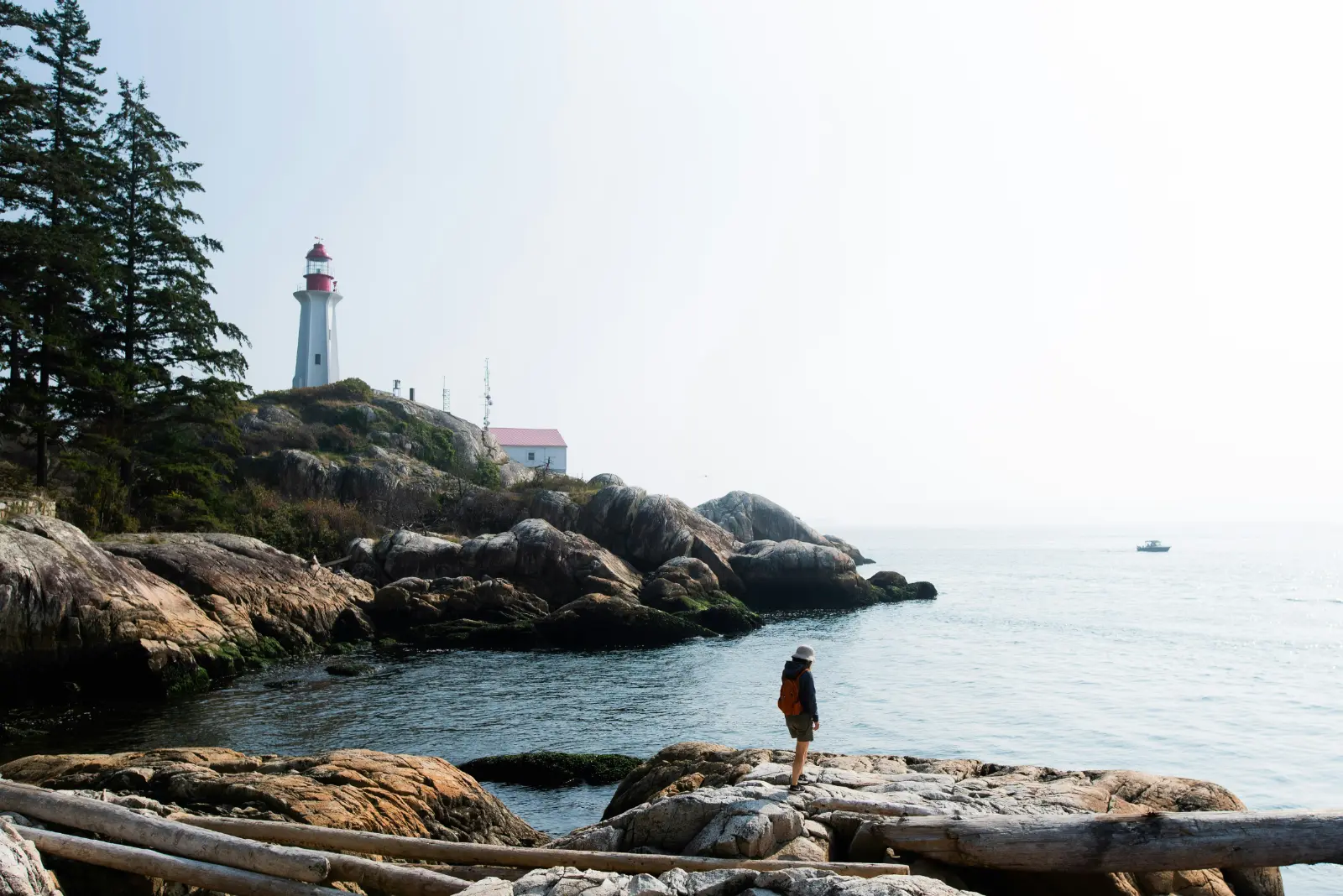
Lighthouse Park – Coastal rainforest meets rugged shoreline.
Rice Lake – Peaceful loop around a tranquil forest lake.
Lower Seymour Conservation Reserve – Flat scenic trails and gentle forest walks.
Intermediate
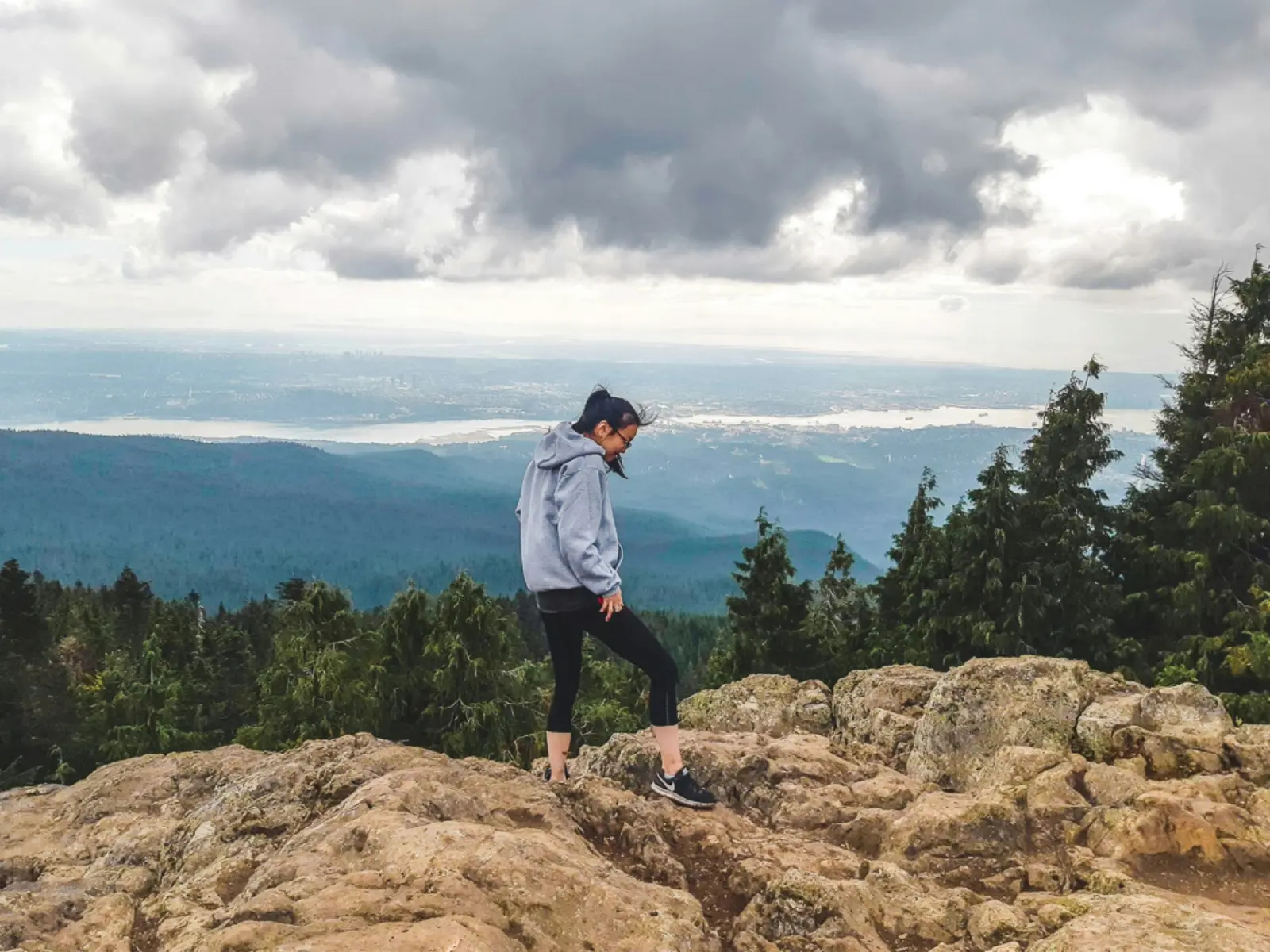
Quarry Rock – A classic viewpoint hike.
Dog Mountain – One of the best quick sunset hikes.
Norvan Falls – A long but moderate trek to a beautiful waterfall.
St. Mark’s Summit – Known for dramatic cliffs and Howe Sound panoramas.
Advanced
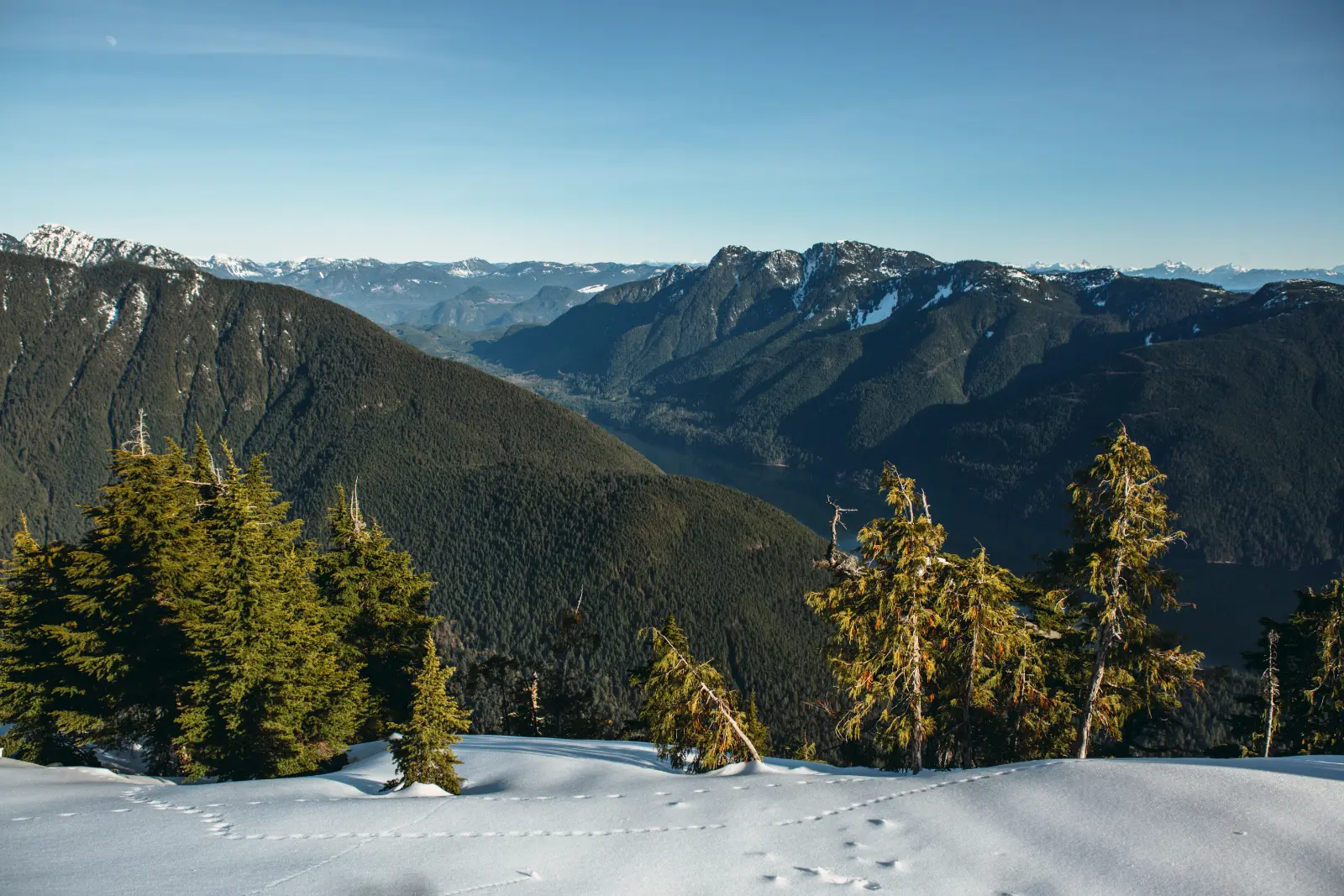
The Lions – Steep, iconic, and rewarding.
Crown Mountain – Technical scrambles with jaw-dropping views.
Golden Ears – A challenging full-day or overnight adventure just outside the city.
Water Activities
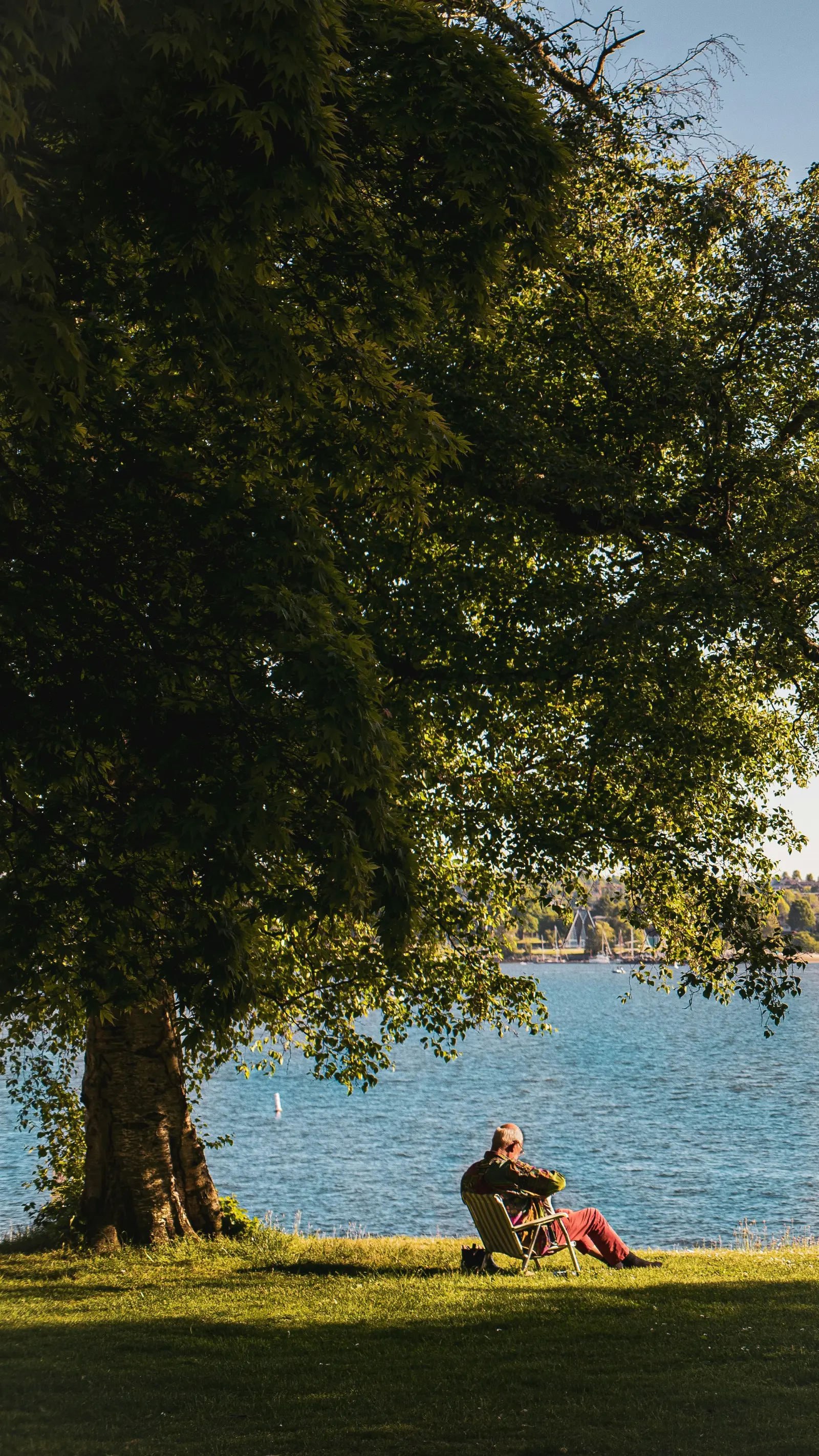
Vancouver’s oceanfront setting means endless opportunities to get out on the water. Kayaking and paddleboarding are especially popular in Deep Cove, English Bay, and Jericho Beach, where calm conditions and scenic surroundings make it perfect for beginners.
For a refreshing summer swim, Third Beach in Stanley Park offers a sheltered cove, while Whyte Lake provides a more secluded forest-lake experience.
If you’d prefer a guided adventure, boat tours and whale-watching excursions offer a chance to see marine wildlife up close.
Nature-Focused Day Trips From Vancouver
Whistler
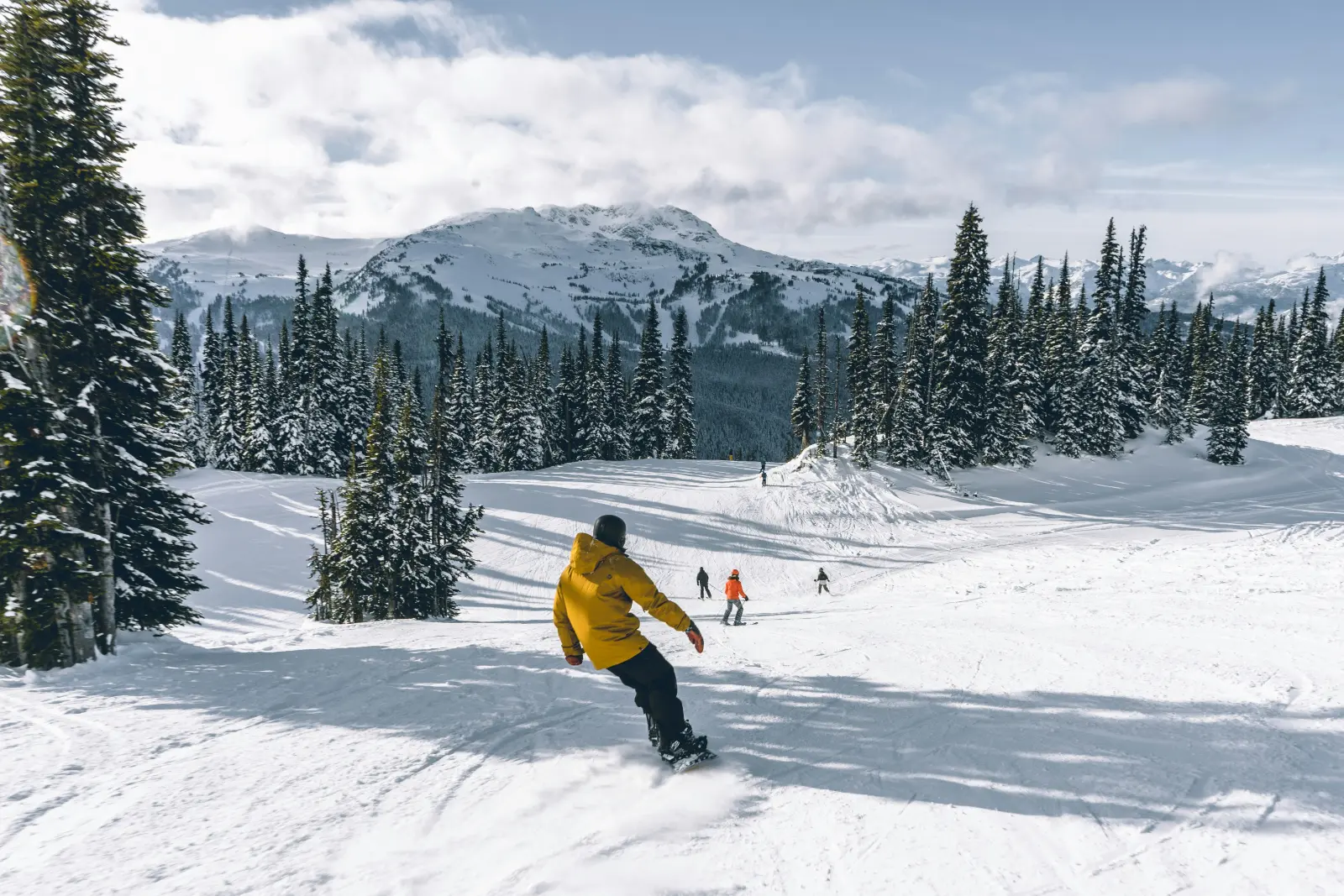
Just 1.5–2 hours away, Whistler offers pristine lakes, alpine meadows, and the iconic Peak 2 Peak Gondola. It’s perfect for hiking, biking, and swimming in summer, or skiing in winter.
Squamish
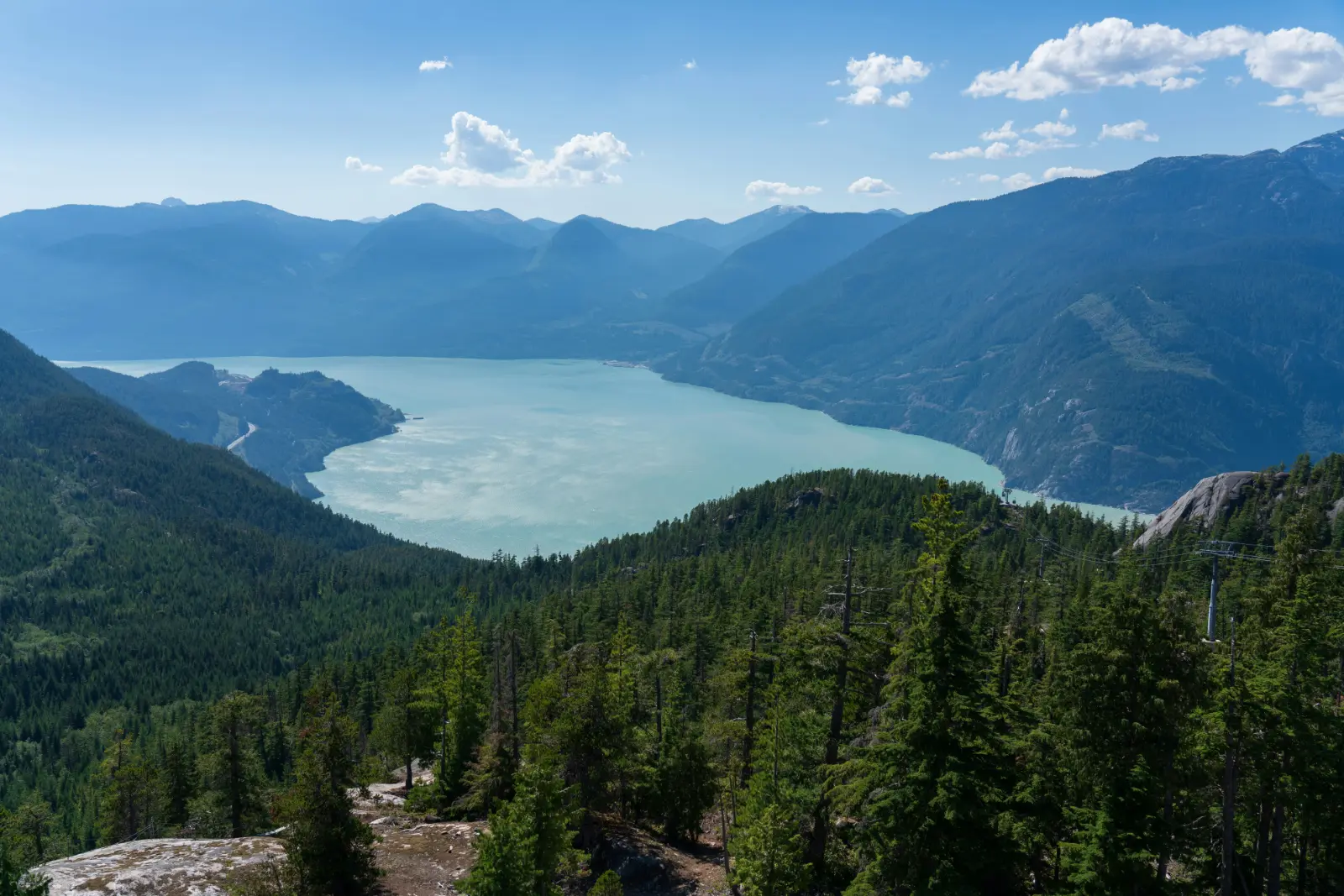
Known as the “Adventure Capital of Canada,” Squamish is home to the Stawamus Chief, Sea to Sky Gondola, and Shannon Falls. The drive alone is one of the most scenic in the country.
Bowen Island
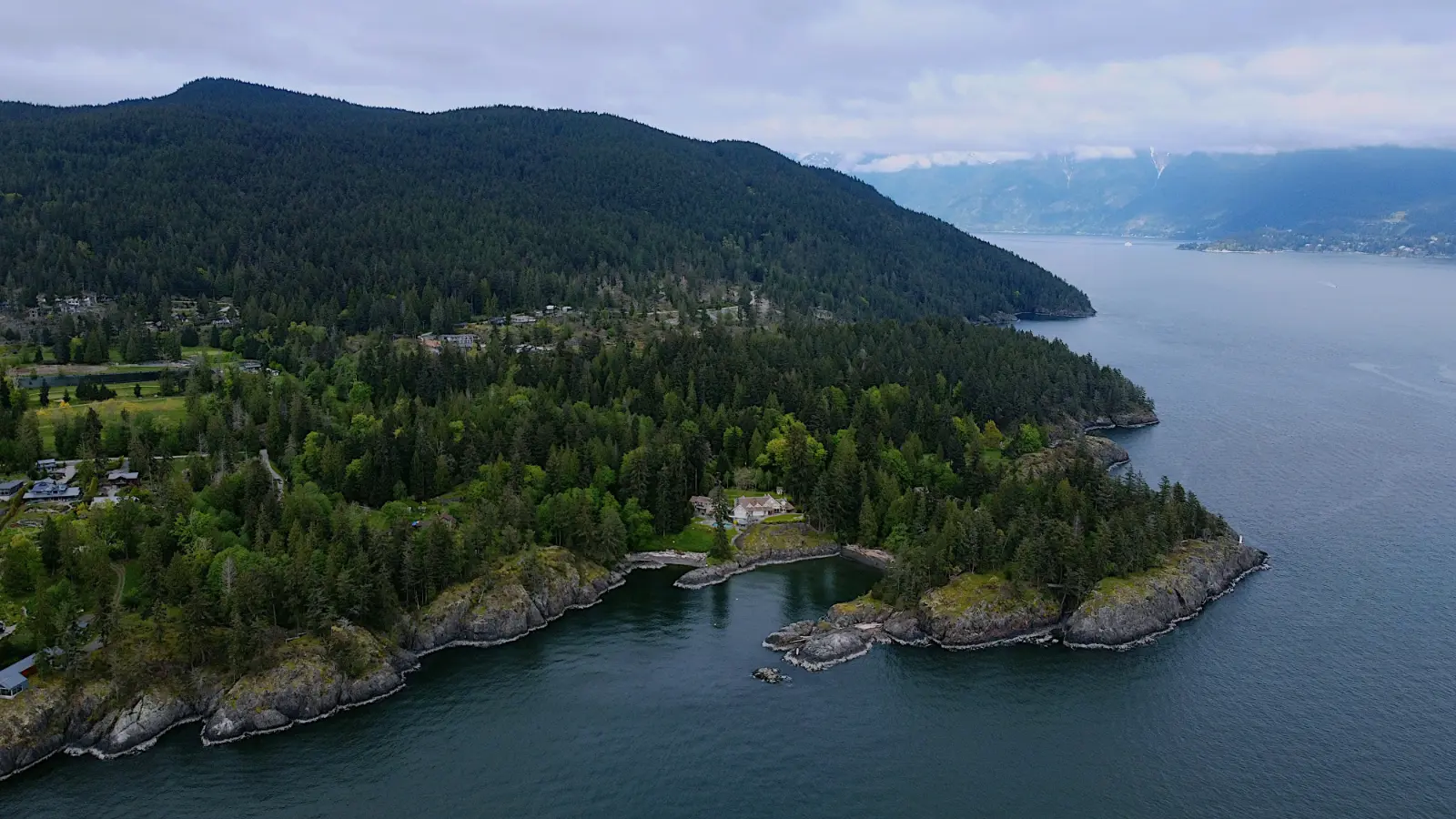
A short ferry ride from Horseshoe Bay, Bowen is ideal for slower-paced nature escapes with forest trails, quiet beaches, and boutique cafés near Snug Cove.
Harrison Hot Springs
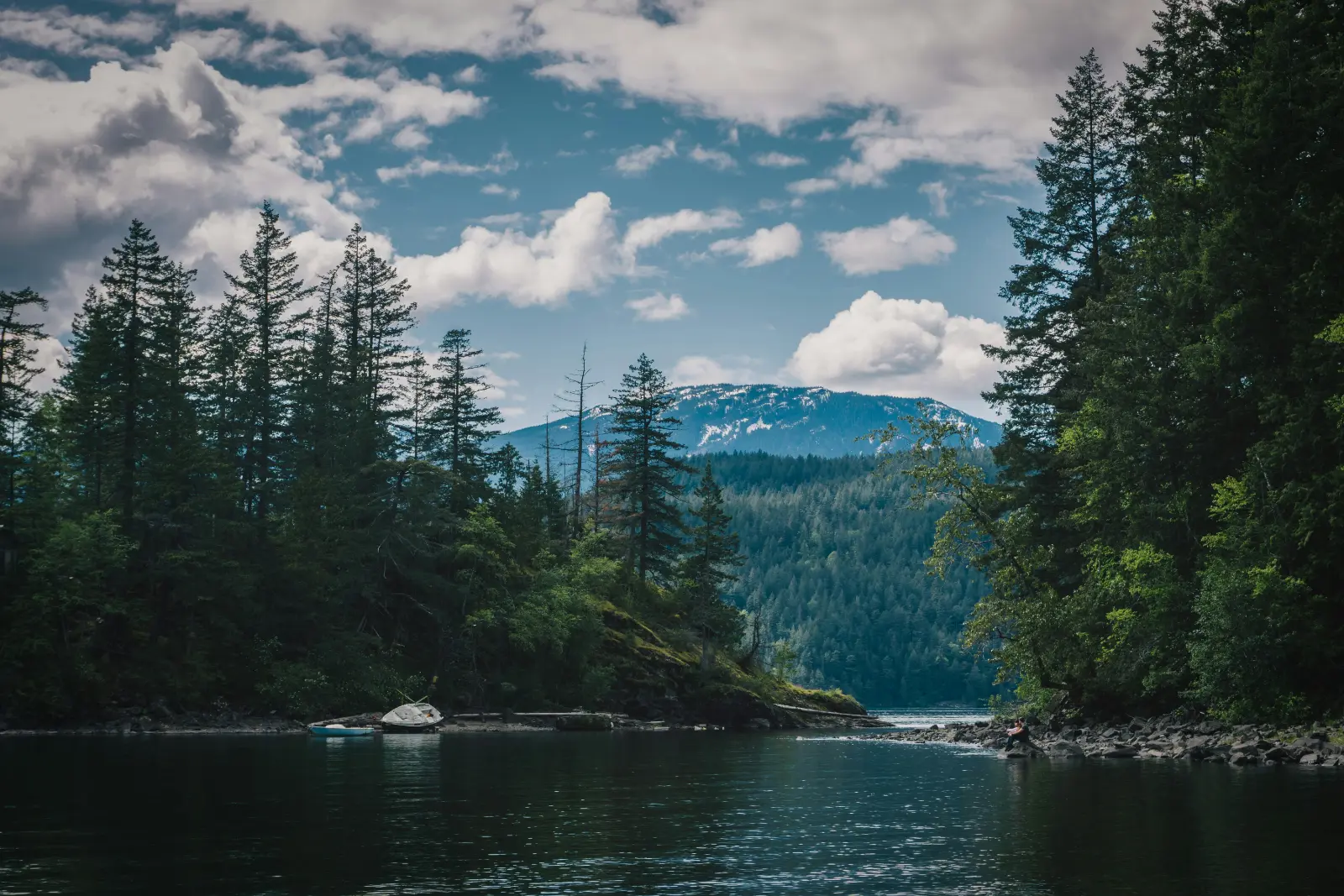
Relax in natural hot springs and explore the lakeside trails, wildlife areas, and mountain viewpoints.
Victoria & Vancouver Island
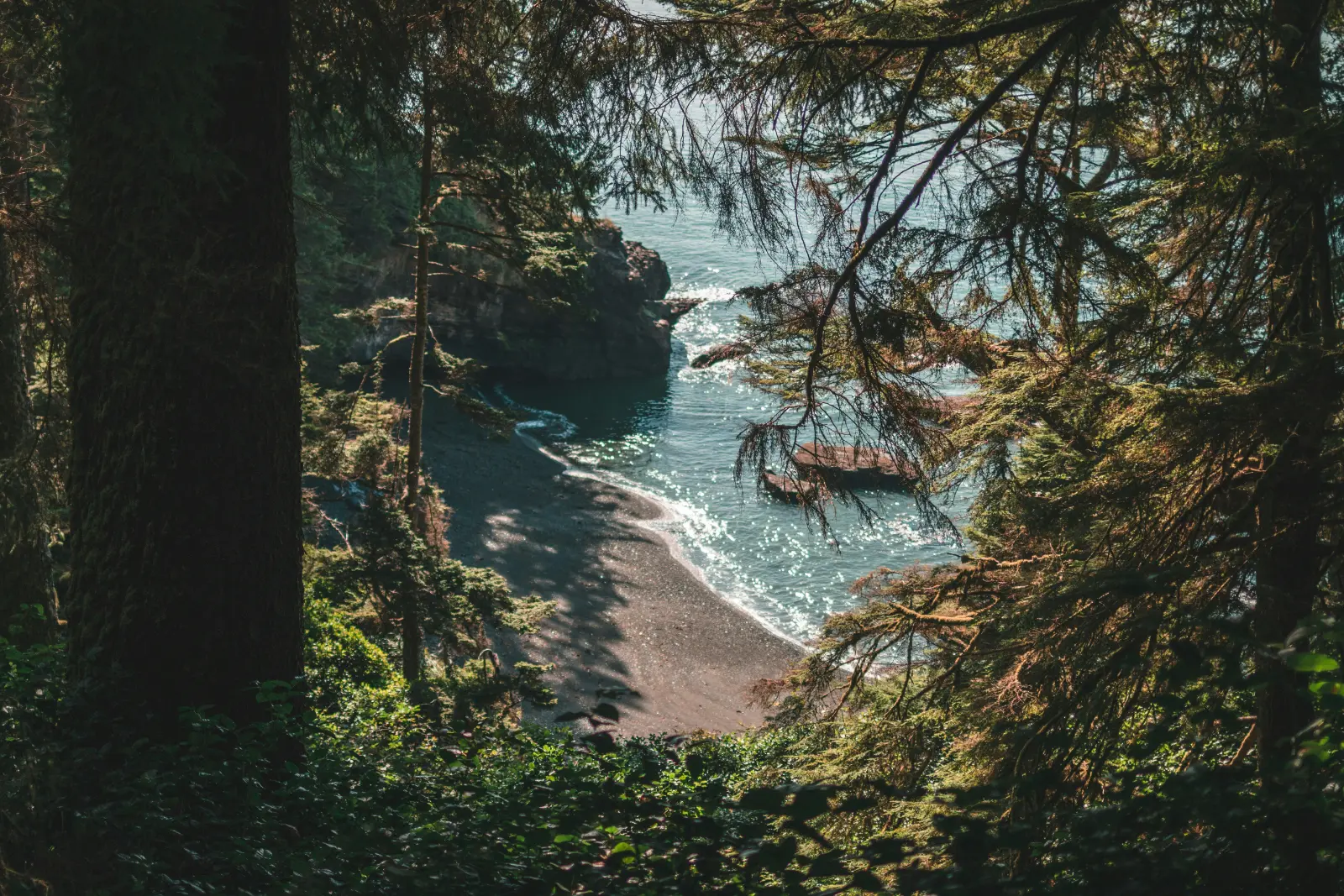
For those willing to travel farther, Vancouver Island offers rugged coastlines, rainforest trails, and some of the best whale watching in Canada.
Local Flora & Fauna
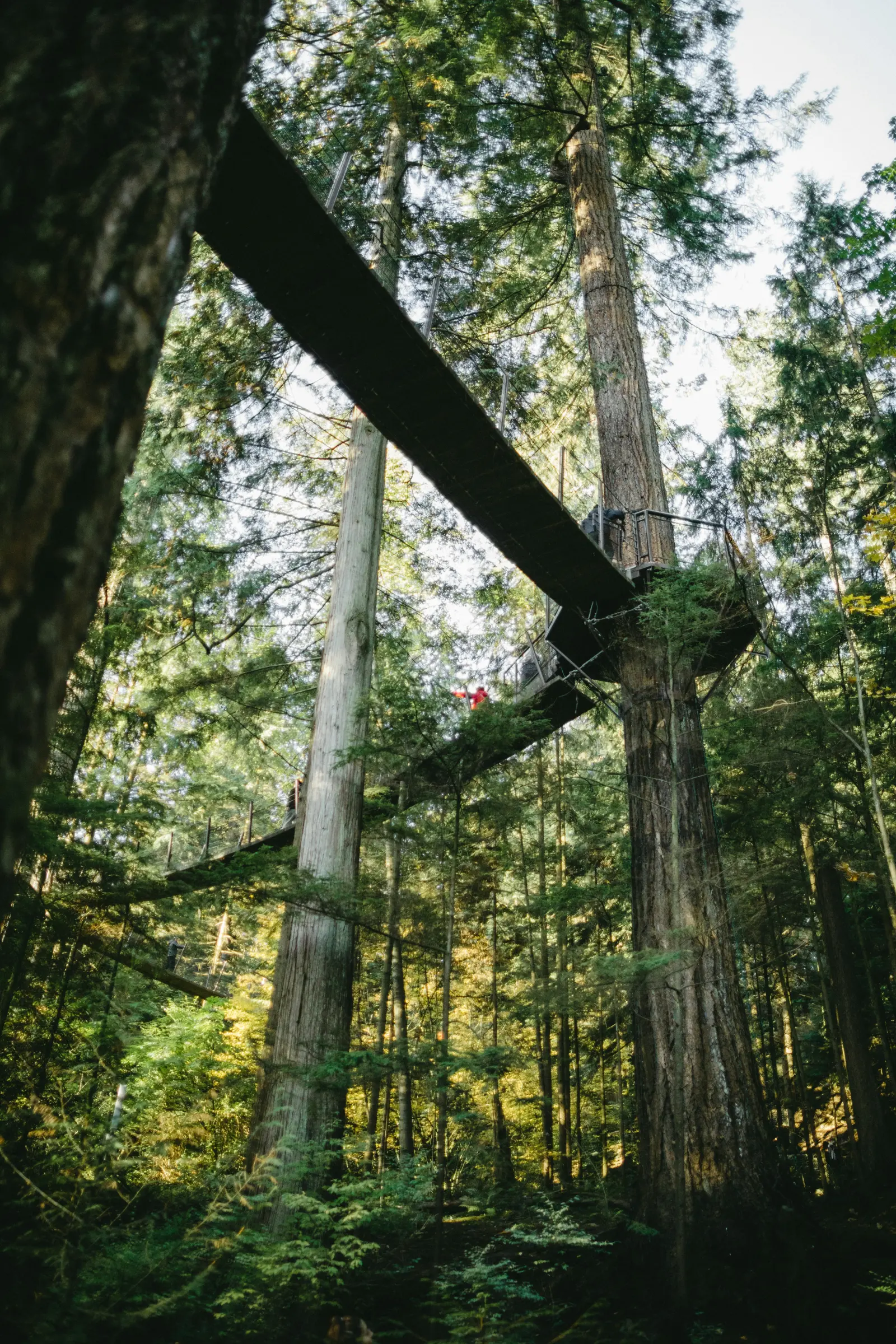
Vancouver’s forests are dominated by Western red cedar, Douglas fir, bigleaf maple, and hemlock. The forest floor is covered in ferns, mosses, and salal. Wildlife spotting is common—bald eagles soar over the coastline, seals lounge on rocks, and salmon return to the rivers each fall. Bears and coyotes also live nearby, so staying informed and practicing safety is crucial while exploring.
Nature Photography Guide
Vancouver is a dream for landscape photographers. Sunrise shoots shine at Deep Cove and Jericho Beach, while sunsets are best from Third Beach, Kitsilano, or Cypress Lookout. Foggy mornings in Stanley Park are magical, and alpine views from St. Mark’s Summit or Dog Mountain offer iconic postcard material.
Drone use is restricted in most parks, so always check regulations beforehand.
Sustainable & Responsible Travel
Given Vancouver’s fragile ecosystems, sustainable travel is essential. Stick to marked trails, pack out everything you bring, and respect wildlife. Many areas follow Leave No Trace guidelines, and responsible travel ensures these natural spaces remain beautiful for future adventurers.
Where to Stay for Easy Access to Nature
Nature lovers will appreciate staying near parks, beaches, and mountain access points. Hotels near Stanley Park offer instant access to forest and ocean paths, while accommodations in North Vancouver put you close to the mountains and major trailheads. For a unique experience, eco-friendly lodges, boutique stays, and cabins outside the city blend comfort with quiet immersion in nature.
What to Pack for Vancouver’s Outdoors
Vancouver’s weather can change quickly, so layers are key. A waterproof jacket, moisture-wicking clothing, sturdy shoes, and a light backpack are essential year-round. In summer, bring sun protection and plenty of water; in winter, microspikes and insulated layers help with icy trails. Navigation tools, snacks, and a portable charger are always wise additions.
Food & Cafés Near Nature Areas

After exploring, Vancouver’s outdoor neighbourhoods offer delicious places to refuel. Deep Cove is famous for Honey’s Donuts—perfect after hiking Quarry Rock. North Vancouver’s Shipyards District has waterfront dining for mountain adventurers. In Kitsilano, cozy cafés and organic eateries line the beach paths. Granville Island’s food market is another excellent stop for fresh, local meals after a day outdoors.
Conclusion
Vancouver is a city where nature isn’t just nearby — it’s part of the rhythm of everyday life. From mossy forests and coastal beaches to rugged mountain peaks and peaceful local parks, this region invites you to slow down, breathe deeply, and reconnect with the outdoors. Whether you’re hiking at sunrise, paddling through calm alpine lakes, or exploring quiet neighbourhood trails, the natural beauty here is endless and accessible in every season.
For nature lovers, Vancouver isn’t just a destination — it’s an experience that stays with you long after you leave. This guide gives you everything you need to explore its wild landscapes with confidence, curiosity, and care. So pack your layers, lace up your shoes, and step into one of the most spectacular outdoor cities in the world.
Enjoy your new favourite stay
Discover how you can save on your next stay with Price Drop Protection